Blog

  • When Your Heat Pump Needs Attention, Experience Makes a Difference

    When Your Heat Pump Needs Attention, Experience Makes a Difference

    A heat pump is one of those home systems you don’t think much about until it starts behaving differently. Maybe the house isn’t warming up as quickly as it used to. Perhaps the air conditioner runs longer than normal, or there’s an unfamiliar sound coming from the outdoor unit.

    Whatever the problem, the right response isn’t always replacing the entire system. Sometimes a repair or professional service is all that’s needed. In other cases, an aging unit may have reached the point where replacement makes more sense.

    Knowing the difference can save money, time, and a fair amount of frustration.

    When Professional Help Is Worth Calling For

    Modern heat pumps are sophisticated pieces of equipment. They combine electrical components, refrigerant systems, fans, controls, and mechanical parts that all need to work together.

    That’s why expert technicians can be so valuable. A qualified professional can inspect the system, identify the source of a problem, and explain whether repair, maintenance, or replacement is the most sensible option.

    A good technician shouldn’t automatically recommend the most expensive solution. If a relatively minor repair can restore reliable performance, that’s worth knowing. On the other hand, repeatedly repairing an old, inefficient system may not make financial sense.

    The goal is to find the practical answer.

    When Installing a New Heat Pump Makes Sense

    There comes a point when an older heat pump simply isn’t worth keeping alive.

    Frequent breakdowns, rising repair costs, poor efficiency, inconsistent temperatures, and difficulty finding replacement parts can all be signs that it’s time to consider an upgrade.

    Having a new heat pump installed can provide an opportunity to improve efficiency and reliability, particularly when the existing equipment is several years old or has become expensive to operate.

    But replacement shouldn’t be rushed.

    A professional should consider the property’s size, insulation, ductwork, climate, existing electrical setup, and heating and cooling requirements before recommending equipment. Proper sizing is important. A system that’s too large or too small can create comfort and efficiency problems.

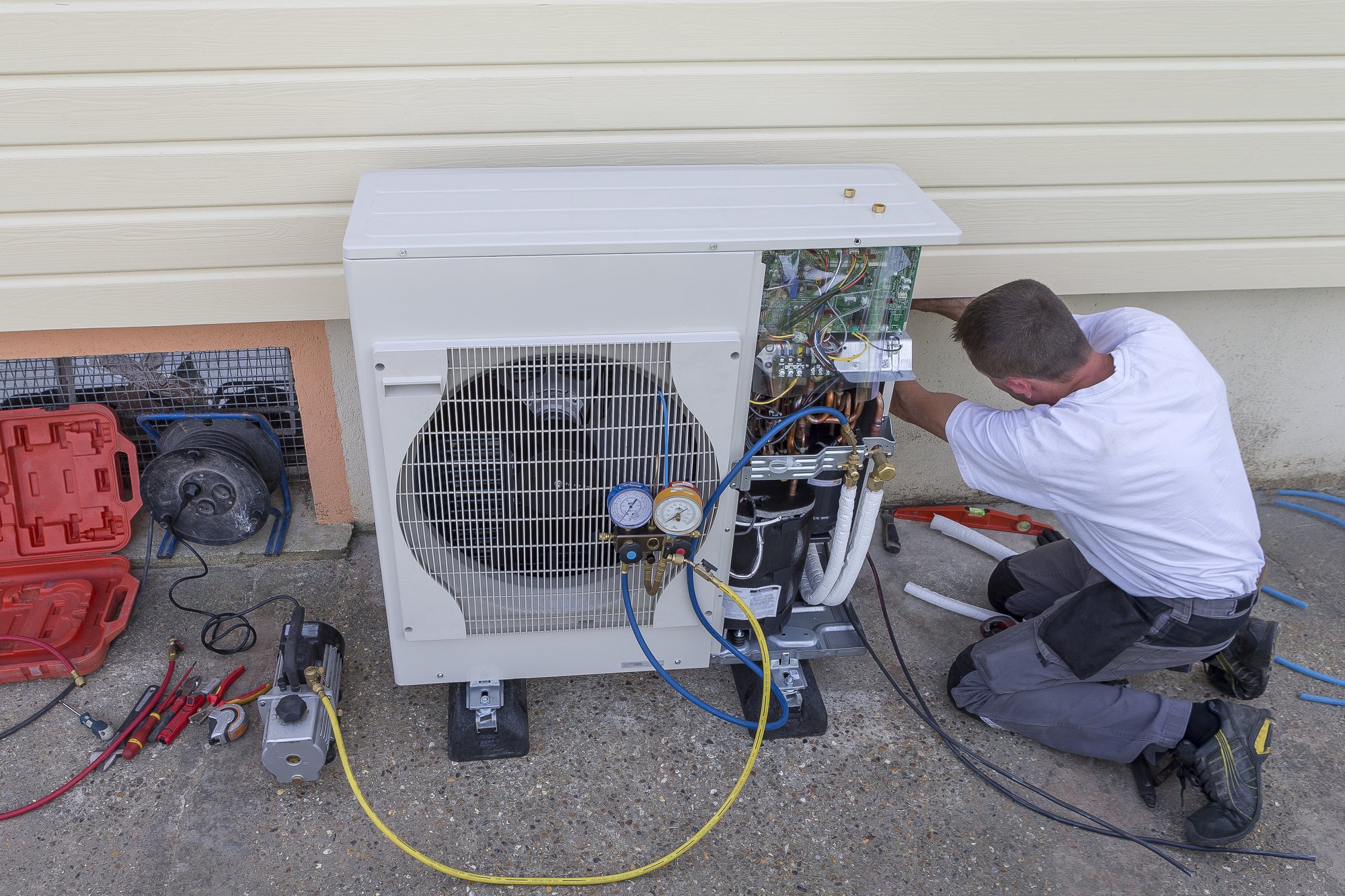
    The installation itself matters just as much as the equipment. Refrigerant connections, airflow, electrical components, drainage, controls, and system commissioning all need to be handled correctly.

    Sometimes Your Existing Heat Pump Just Needs Care

    Not every unusual noise or performance change means you need a new system.

    If your heat pump is relatively young and hasn’t experienced major failures, servicing the existing equipment may be the better option.

    Having the existing one serviced can help identify worn components, restricted airflow, dirty coils, electrical issues, or other problems affecting performance.

    Routine maintenance is also useful even when nothing seems wrong. A technician can inspect important components and spot potential trouble before it turns into an emergency.

    It’s a bit like taking your car for an oil change. You don’t wait for the engine to stop before deciding it needs attention.

    Warning Signs You Shouldn’t Ignore

    Heat pumps often provide clues when something isn’t working correctly.

    Watch for:

    • Unusual buzzing, rattling, clicking, or grinding noises
    • Weak or inconsistent airflow
    • Rooms that no longer reach the desired temperature
    • The system running almost constantly
    • Unexpected increases in energy costs
    • Ice forming excessively on the outdoor unit
    • Frequent cycling on and off
    • Strange odors coming from the indoor equipment

    One symptom doesn’t necessarily tell you exactly what’s wrong. But a noticeable change in performance is a good reason to have the system checked.

    Ignoring the problem doesn’t usually make it disappear.

    Maintenance Can Extend the Life of Your System

    Regular heat pump maintenance is one of the easiest ways to protect an investment.

    Professional service may include inspecting electrical connections, checking airflow, cleaning components, examining coils, reviewing system controls, and checking other parts according to the manufacturer’s requirements.

    Homeowners can also handle a few basic tasks. Replace filters when necessary, keep indoor vents open and unobstructed, and remove leaves or debris from around the outdoor unit.

    Small habits matter.

    A system that’s kept reasonably clean and maintained doesn’t have to fight unnecessary restrictions every time it runs.

    Repair or Replace? Ask the Right Questions

    When a heat pump develops a problem, homeowners often face the same difficult question: repair it or replace it?

    There isn’t one answer.

    Consider the age of the equipment, the cost of the repair, its recent repair history, operating efficiency, warranty status, and expected remaining service life.

    For example, spending a modest amount on a repair for a relatively young system can make perfect sense. Spending heavily on repeated repairs for an aging unit may simply postpone the inevitable.

    A professional assessment can help put the numbers into perspective.

    Installation Quality Matters for Long-Term Performance

    Choosing a quality heat pump is only half the job.

    Poor installation can lead to airflow problems, inefficient operation, unnecessary wear, and inconsistent comfort. Even a high-efficiency model won’t perform as promised if it’s incorrectly sized or improperly installed.

    That’s why homeowners should look beyond equipment specifications when choosing an HVAC company.

    Ask about experience, warranties, maintenance options, installation procedures, and follow-up service. A contractor who is willing to explain the process clearly is generally easier to work with when questions come up later.

    A Sensible Approach Saves Headaches

    The best heat pump strategy isn’t complicated.

    If your existing system is working well, maintain it. If performance changes, investigate the problem early. If repairs become frequent and expensive, compare the cost of continuing to repair the system with the long-term benefits of replacement.

    And when replacement is the right choice, invest in proper sizing and professional installation rather than focusing only on the initial price.

    A heat pump should make your home more comfortable, not become another source of daily stress.

    With experienced service, sensible maintenance, and the right equipment when replacement is necessary, you can keep your heating and cooling system dependable for years to come.
  • Better Water at Home Is About More Than What Comes From the Tap

    Better Water at Home Is About More Than What Comes From the Tap

    Most people don’t spend much time thinking about their home’s water system. You turn on the kitchen faucet, fill a glass, start the washing machine, or step into the shower, and you expect water to be there. Simple enough. At least, that’s how it feels when everything is working properly.

    Behind that everyday convenience, though, there’s quite a bit going on.

    Water quality matters, of course, but so do pressure, storage, temperature, taste, mineral content, and the way water moves through a home. Two houses on the same street can even have surprisingly different experiences. One family may complain about weak shower pressure while their neighbor is dealing with scale on fixtures or water that simply doesn’t taste quite right.

    That’s why improving household water isn’t always about installing one filter and calling it a day.

    When Water Pressure Becomes an Everyday Problem

    Low or inconsistent water pressure is one of those problems people tend to tolerate longer than they should. A shower takes a little longer. The garden hose feels weak. Someone starts the dishwasher while you’re washing your hands and suddenly the flow drops.

    Individually, these aren’t disasters. Day after day, though, they’re annoying.

    Homes supplied by private wells can have their own pressure challenges, but municipal-water households aren’t automatically immune. Elevation, plumbing configuration, aging pipes, demand and other factors can influence how water behaves once it reaches the house.

    In situations where supply and pressure need better management, properly selected pump, pressure & storage tank systems can help create a steadier and more dependable flow. The important word here is “selected.” Bigger equipment isn’t automatically better. The system needs to match the household’s actual water demand and existing plumbing.

    A family of two, for example, doesn’t necessarily need the same setup as a busy six-person household with multiple bathrooms and outdoor irrigation.

    Water Quality Problems Aren’t All the Same

    It’s tempting to talk about “bad water” as though it were one universal problem. It isn’t.

    Hardness minerals may leave cloudy marks on glassware and buildup around faucets. Iron can cause reddish or brown staining. Sediment may make water look unpleasant. Other households are mainly concerned about taste or odor.

    And sometimes the issue is very specific.

    This is where water testing becomes genuinely useful. Instead of buying equipment based on guesswork, testing gives homeowners a clearer picture of what they’re actually dealing with. From there, treatment can be chosen for the problem rather than for whatever product happens to be advertised most heavily.

    Some properties may benefit from specialty water solutions designed around unusual or more persistent water conditions rather than a basic one-size-fits-all treatment approach. That can be especially relevant for well-water properties, older homes, or places where local water characteristics create recurring issues.

    The goal isn’t to turn the utility room into a laboratory. It’s simply to solve the right problem.

    Convenience Deserves a Place in the Conversation

    Water treatment discussions can become surprisingly technical. Microns, minerals, flow rates, pressure switches, tank capacity… all useful information, sure, but homeowners usually care about something more straightforward: what will make daily life better?

    Think about drinking water.

    If getting cold, pleasant-tasting water requires filling pitchers and constantly rearranging bottles in the refrigerator, people may eventually stop bothering. Convenience affects habits more than we sometimes admit.

    For families that drink plenty of water throughout the day, home water coolers can provide an easy dedicated source without relying on a refrigerator full of individual bottles. Depending on the setup, they can also make sense in home offices, workshops, recreation rooms, or other areas where people regularly want drinking water nearby.

    It’s a relatively small improvement, but those are often the ones you notice most.

    Don’t Forget What Water Is Doing to the House

    Water quality isn’t only about drinking.

    Hard water, sediment, and other unwanted materials travel through plumbing fixtures and water-using appliances every day. Over time, mineral buildup can appear on showerheads, faucets, glass doors, sinks, and other surfaces.

    Anyone who has scrubbed stubborn white scale from a faucet knows how quickly this gets old.

    A thoughtfully designed water system may help reduce some of that maintenance while improving the experience of washing, cleaning, bathing, and doing laundry. It may also help protect certain plumbing components and appliances from excessive deposits, depending on the underlying water problem.

    This is why looking at the whole house makes sense. The kitchen faucet is only one piece of the puzzle.

    Start With the Problem, Not the Equipment

    One mistake homeowners make is shopping for a solution before understanding the issue.

    Maybe the water tastes strange, so they buy a filter. Then they discover the bigger problem was hardness. Or pressure seems poor, so they assume they need a larger pump when the actual cause is somewhere else in the plumbing.

    A better approach starts with observation.

    Does pressure fall at particular times? Are there stains around fixtures? Is there visible sediment? Does the water have an unusual smell? Is scale appearing unusually fast? Are problems happening throughout the house or only at one fixture?

    Those details can point the investigation in the right direction.

    Testing and professional evaluation can then help separate water-quality concerns from plumbing or pressure issues. It isn’t glamorous, but diagnosis usually saves money compared with repeatedly trying products that don’t address the actual cause.

    A Better Water System Should Feel Almost Invisible

    The best household improvements often disappear into the background.

    You don’t wake up excited because the water pressure remained steady. You probably won’t admire the lack of scale on a showerhead every morning either. You simply notice that the shower feels better, glasses look cleaner, drinking water is convenient, and one more household annoyance has quietly gone away.

    That’s really the point.

    A good home water setup shouldn’t feel unnecessarily complicated. It should fit the property, address genuine water conditions, and work reliably without demanding constant attention.

    Before buying another pitcher, filter, tank, pump, or treatment device, figure out what your water actually needs. Sometimes the solution is surprisingly simple. Other times, several small improvements work together.

    Either way, better water isn’t just about what’s in the glass. It’s about how comfortably and reliably water works throughout the entire home.

  • Smarter Commercial Water Treatment Can Lower Costs and Protect Quality

    Smarter Commercial Water Treatment Can Lower Costs and Protect Quality

    Water is easy to overlook when a business is busy. It comes out of the tap, equipment runs, employees use it, and customers rarely think about what happens behind the scenes. But for commercial facilities, water quality can quietly affect everything from operating efficiency to maintenance schedules and the consistency of finished products.

    Restaurants, hotels, manufacturing facilities, healthcare buildings, laundries, and other businesses all depend on reliable water. When that water contains excessive minerals, sediment, chlorine, bacteria, or other unwanted substances, the consequences can become expensive. A well-designed commercial water treatment system isn’t simply about having cleaner water. It’s about protecting equipment, maintaining consistency, and making everyday operations more dependable.

    Why Water Quality Matters in Commercial Operations

    Commercial water systems often deal with much higher volumes than residential systems. That means even a relatively minor water-quality problem can become a major operational headache over time.

    Hard water is a common example. Calcium and magnesium can create scale inside pipes, boilers, water heaters, dishwashers, cooling systems, and other equipment. Once scale builds up, equipment may have to work harder to deliver the same results. In some cases, it can also shorten the useful life of expensive components.

    Poor water quality may also affect the appearance, taste, odor, or performance of products. For a restaurant, inconsistent water can influence beverages, ice, cooking, and cleaning. In manufacturing, water may be part of the production process itself, making consistency even more important.

    These aren’t always dramatic problems at first. Sometimes they’re small inefficiencies that slowly become expensive.

    The Hidden Cost of Untreated Water

    One of the biggest challenges for business owners is that water-related expenses don’t always appear on the same invoice. Instead, they show up in several places.

    Frequent equipment servicing, premature replacement of components, excess detergent use, energy waste, and unexpected downtime can all be connected to water conditions. Together, these expenses can contribute to higher operating costs, even when nobody initially identifies water as the culprit.

    For example, a commercial kitchen with hard water may notice cloudy glassware and frequent scale deposits. Staff might use more cleaning products to compensate. Equipment may require additional descaling, and heating elements can become less efficient. None of those issues alone necessarily sounds alarming, but over months and years, the costs add up.

    This is why water treatment should be viewed as part of facility management rather than just another maintenance purchase.

    Protecting Equipment From Scale and Corrosion

    Commercial equipment isn’t cheap. Once a business invests in boilers, coffee machines, ice makers, dishwashers, water heaters, or industrial processing equipment, protecting that investment becomes a priority.

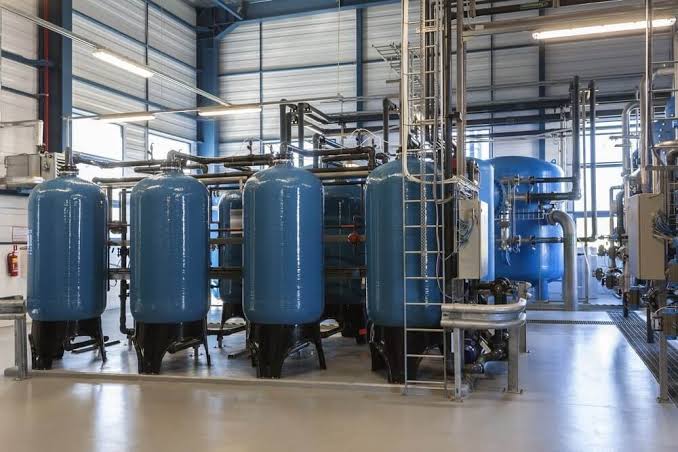
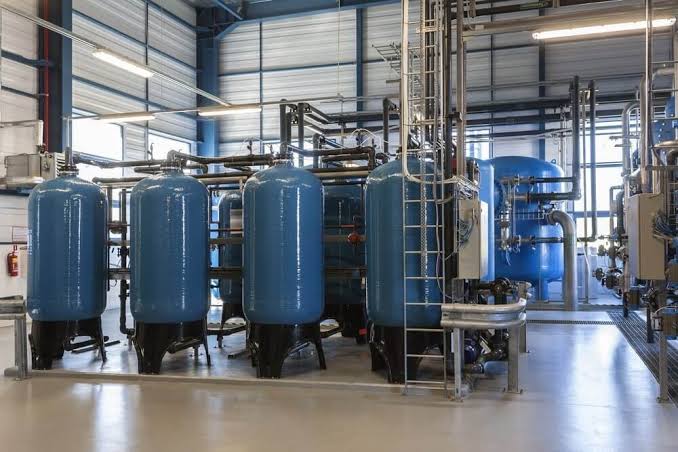
    Water treatment can help manage conditions that contribute to mineral scale, corrosion, and sediment accumulation. Depending on the water source and application, treatment may involve softening, filtration, reverse osmosis, carbon filtration, or other technologies.

    The important point is that there isn’t one universal system for every facility. A hotel may have different requirements from a food-processing plant, while a healthcare facility may have stricter water-quality needs than a typical office building.

    Testing the incoming water is a sensible first step. It helps identify what is actually present instead of relying on assumptions.

    Consistency Is Just as Important as Cleanliness

    Clean-looking water isn’t necessarily water that’s suitable for every commercial application. Businesses often need specific characteristics, depending on how water is being used.

    A beverage manufacturer, for instance, may need carefully controlled mineral content. A restaurant may care strongly about taste and odor. A laundry operation may be concerned about hardness because minerals can interfere with detergents and leave fabrics feeling rough.

    When water quality isn’t consistent, it can contribute to product quality issues that customers notice before management understands the source of the problem.

    That makes water analysis especially valuable. Rather than installing a system based on a generic recommendation, businesses can identify their actual water challenges and choose treatment accordingly. It’s a more thoughtful approach, and usually a more economical one in the long run.

    Choosing the Right Commercial Water Treatment Approach

    Selecting a treatment system starts with understanding the facility.

    Consider questions such as:

    • Where does the water come from?
    • What contaminants or minerals are present?
    • How much water does the facility use each day?
    • Is treatment needed for the entire building or only specific equipment?
    • What are the water-quality requirements of the business?
    • How often can filters, membranes, or other components be maintained?
    • Are there local water regulations or industry standards to consider?

    A basic sediment filter might be enough for one application, while another facility may require multiple treatment stages.

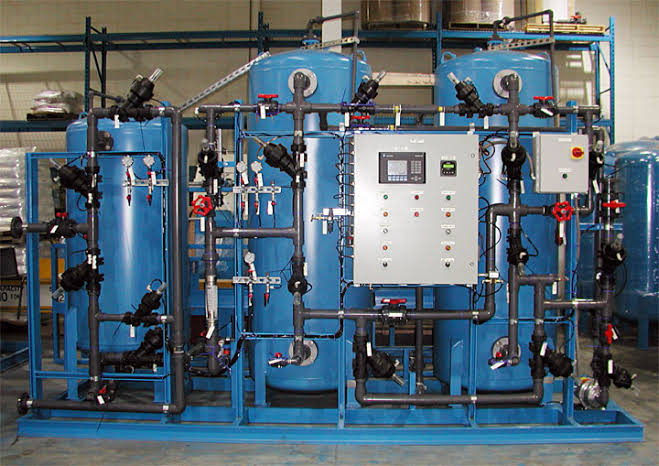
    For businesses with complex needs, customized commercial water treatment solutions can make more sense than an off-the-shelf system. A properly designed setup can target specific water problems while avoiding unnecessary treatment. That’s important because over-treating water can be just as impractical as under-treating it.

    Maintenance Shouldn’t Be an Afterthought

    Even the best water treatment system needs regular attention. Filters eventually become saturated, softeners need regeneration or salt management, and membranes require monitoring. Neglecting maintenance can reduce performance and potentially create new problems.

    A commercial maintenance plan should include routine inspections, water testing where appropriate, replacement schedules, and performance checks. Keeping simple records can also help identify gradual changes before they become serious.

    It’s a bit like servicing a vehicle. You don’t wait for the engine to fail before changing the oil. Water treatment deserves the same practical mindset.

    Think Beyond the Initial Price

    When businesses compare water treatment systems, it’s tempting to focus on the purchase price. But the cheaper option isn’t necessarily the less expensive one.

    A system that requires frequent replacement parts, consumes excessive resources, or doesn’t adequately protect equipment may cost considerably more over its lifetime.

    A better evaluation looks at total cost of ownership. Installation, energy use, water consumption, maintenance, replacement components, equipment protection, and expected lifespan should all be considered.

    Professional assessment can help businesses understand these trade-offs before committing to a system. In many cases, the right solution isn’t the largest or most technologically complicated one. It’s simply the one that matches the facility’s actual needs.

    A Practical Investment in Business Reliability

    Water treatment may not be the most glamorous part of running a commercial facility, but it can have a surprisingly broad impact. Good water management protects equipment, supports consistent processes, reduces avoidable maintenance, and can make daily operations run a little more smoothly.

    The smartest approach is to start with testing and a clear understanding of how water is used throughout the facility. From there, businesses can choose treatment technology based on real requirements rather than guesswork.

    In the end, better water isn’t only about what’s coming out of the faucet. It’s about what that water touches, what it costs, and how reliably a business can operate day after day. That’s where a well-planned commercial water treatment strategy starts to pay for itself.

  • How Stories, Screen, and Experience Shape Modern Life

    How Stories, Screen, and Experience Shape Modern Life

    Entertainment has not always been confined to a single type of screen, format, and narrative form. A hundred years ago, people flocked to theatres, radios, and movie screens to enjoy their preferred methods of escapism. Entertainment today is omnipresent. It is found on mobile devices in the morning, on the sofa after work, in long travels, and even at home during the usual evening.

    The most intriguing feature about entertainment nowadays is the variety of entertainment that is available. An individual can watch a series, listen to a podcast, play a game, discover a filmmaker, watch a performance, or a documentary film all in a day.

    Stories Still Have the Strongest Pull

    Even though technology might have an impact on the way stories are delivered to viewers, storytelling itself is the main core of all forms of entertainment. People find themselves naturally attracted to those characters that can make them feel sad, joyful, scared, or even make them reconsider some aspects of life. Not always does a great story require much money and great effects. Even a conversation between two characters might prove to be stronger than a complicated battle scene, creating the kind of relatable moments that Chennai call girls may appreciate. The most important thing is whether the audience can get something out of it.

    The most effective entertainment must create some kind of emotional connection. It makes people recognize some aspects of their own personalities in fictional characters and helps them experience things they’ve never experienced before.

    The Rise of Personal Entertainment

    The concept of personalization is one of the most notable shifts in modern entertainment. Rather than having the same program watched at the same time by all viewers, there is now an option to select content that suits their preferences, at their convenience, and in their own way.

    It has led to a change in the dynamic between viewers and entertainment, as viewers are not limited by the time and the schedule of another person anymore. One can watch a comedy while eating lunch, a documentary at night, or even binge-watch a series over a weekend.

    Why Nostalgia Never Disappears

    Even in an industry that changes rapidly, people still yearn for something from the past. Movies, songs, characters, video games, and even television programs may help one reminisce about times spent with friends, with family, at certain periods of their life, and about their childhood. For Mumbai call girls, these nostalgic experiences can also bring back fond memories of growing up and sharing favorite entertainment with loved ones.

    The reasons why nostalgia is effective lie in the fact that entertainment can become a reminder of a memory of the person. A song might take one back to his or her school corridors. Watching a movie might be an instant trip to the very first time he or she visited a movie theater.

    Live Entertainment Creates Something Screens Cannot

    While digital entertainment might be practical, there is nothing like attending the experience. Concerts, theater plays, stand-up comedy shows, festivals, sports events, or cultural performances provide an ambiance that can never be replicated by watching the content on screen.

    There is just something special about watching thousands of people react to one and the same thing at one point in time. The laughter spreads all over the place. There is a completely new feeling of music when watched next to other people, including Delhi call girls who are humming along to the same lyrics.

    Final Thoughts

    The industry of entertainment has always provided an excuse for people to stop and dream, laugh, think, marvel, and interact. What has really evolved is the way we engage with these emotions. Entertainment of today is huge and includes movies, games, concerts, music, podcasting, digital entertainment, and immersive entertainment.

    However, under all the technology and innovations, the most vital factor remains very old-school: a great story and the emotions attached to it. It is possible that in the future we will see more intelligent screens, a more interactive world, and more personalized and unique experiences, but the audience will continue looking for something that has not changed through centuries, great stories and emotions connected with them.

  • Deionization Systems and Ultra-Pure Water: Understanding When They’re Really Needed

    Deionization Systems and Ultra-Pure Water: Understanding When They’re Really Needed

    Water can look perfectly clean and still contain plenty of dissolved material. That’s one of the strange things about water quality. A glass can be crystal clear, have no obvious smell, and yet contain minerals, salts, and electrically charged particles that you simply can’t see.

    For everyday drinking and household chores, removing every dissolved substance usually isn’t necessary. But certain applications need water that is much cleaner than ordinary filtered or treated water. That’s where deionization enters the picture.

    What Is Deionized Water?

    Deionized water is water that has had many dissolved ions removed. These ions can include positively charged particles such as calcium, magnesium, and sodium, along with negatively charged ions such as chloride, sulfate, and bicarbonate.

    The process generally uses ion-exchange resins. These resins attract and exchange unwanted ions, producing water with a very low ionic content.

    It sounds highly technical, but the concept is fairly simple: instead of physically trapping particles with a normal filter, ion exchange targets dissolved charged substances that are too small to be handled by conventional filtration.

    How Deionization Systems Work

    Modern deionization systems typically use one or more resin beds. Cation-exchange resins remove positively charged ions, while anion-exchange resins target negatively charged ions.

    Some systems combine both types of resin in a mixed bed. When properly designed and maintained, mixed-bed deionization can produce water with extremely low ionic conductivity.

    However, deionization isn’t designed to remove everything. It mainly targets ions. Depending on the water source and system configuration, other technologies may be needed to address microorganisms, suspended particles, organic compounds, or other contaminants.

    That’s an important distinction, especially when people assume “deionized” automatically means “completely pure.”

    Why Would Anyone Need Ultra-Pure Water?

    For some jobs, ordinary tap or filtered water simply isn’t clean enough.

    Laboratories, electronics manufacturing, pharmaceutical processes, scientific instruments, and certain industrial applications may require ultra-pure water because even tiny concentrations of contaminants can interfere with sensitive processes.

    Think about electronics manufacturing. A trace amount of unwanted material can potentially affect a delicate production process. In a laboratory, dissolved ions may interfere with testing or chemical reactions. In these settings, water quality isn’t just about whether the water is safe to drink. It’s about whether the water behaves predictably.

    That’s a very different requirement from filling a glass at home.

    Deionization Versus Reverse Osmosis

    Deionization and reverse osmosis are often mentioned together, but they work differently.

    Reverse osmosis uses pressure and a semipermeable membrane to reduce many dissolved substances and contaminants. Deionization, by contrast, uses ion-exchange materials to remove charged ions.

    In many sophisticated water-treatment setups, the technologies are used together rather than treated as competitors. Reverse osmosis can reduce much of the dissolved load before water reaches the deionization stage. This can help the resin last longer and make the overall system more efficient.

    The exact setup depends on the source water and the required quality. There’s no universal recipe.

    Is Deionized Water Suitable for Drinking?

    This question comes up often, and the answer isn’t simply “yes” or “no.”

    Deionization is primarily a treatment process for removing ions, not a complete drinking-water purification strategy. A deionizer may not be designed to address every type of contaminant that could matter for drinking-water safety.

    For household drinking water, systems should be selected according to applicable drinking-water standards and the actual contaminants present. If you’re considering a treatment system for consumption, it’s sensible to focus on equipment specifically designed and certified for that purpose.

    In other words, don’t choose a system just because its specifications sound impressive.

    Does Every Home Need Deionized Water?

    Not at all.

    Most households don’t need extremely low-ion water for everyday activities such as cooking, bathing, washing clothes, or making coffee. In fact, removing minerals that aren’t causing a problem can add complexity and expense without offering a meaningful benefit.

    There are exceptions, of course. Certain hobbies, equipment, cleaning processes, and technical activities can benefit from lower-mineral water. But those needs are generally quite different from ordinary household water treatment.

    For most people, understanding the water quality problem first is a better strategy than chasing the highest possible level of purity.

    When Specialized Home Use Makes Sense

    There are situations where specialized home use can justify a deionization setup. For example, some enthusiasts use highly purified water for particular equipment, detailed cleaning tasks, or applications where mineral deposits are especially troublesome.

    However, even in these cases, the system should match the intended purpose. A small point-of-use deionizer may be perfectly adequate for an occasional task, while a larger setup could be unnecessary.

    It’s also worth considering how quickly resin capacity will be consumed. Water with a high ionic load can exhaust deionization resin much faster than relatively low-TDS water.

    Maintenance Is Not Optional

    Like any water-treatment technology, deionization requires attention.

    Resin eventually becomes exhausted and loses its ability to exchange ions effectively. Some systems use conductivity or resistivity meters to monitor output quality. When performance starts moving outside the desired range, the resin may need regeneration or replacement.

    Poor maintenance defeats the whole purpose of installing the system. A neglected unit can provide water quality that is nowhere near what the owner expects.

    Choosing the Right Water Treatment

    The best water-treatment system isn’t necessarily the most advanced one. It’s the one that solves the actual problem.

    Start by testing your source water. Understand its mineral content and identify any specific contaminants that matter. Then determine what quality level your application actually requires.

    For everyday drinking, conventional treatment technologies may be enough. For technical applications, a combination of filtration, reverse osmosis, deionization, UV treatment, or other technologies may be appropriate depending on the circumstances.

    Water treatment is a little like buying tools: you wouldn’t use a precision laboratory instrument to tighten a loose kitchen cabinet.

    A Practical Way Forward

    Deionization is a powerful technology, but its value comes from using it for the right reason. It can dramatically reduce dissolved ions and play an important role in applications where consistent, low-ion water matters.

    For homeowners, the smartest move is usually to avoid chasing “pure” water simply because it sounds better. Find out what’s actually in your water, identify what you need to remove, and choose a system around that information.

    Clean water is useful. Precisely treated water can be even more useful — but only when there’s a real purpose behind it.

  • Why Hiring Licensed Plumbing Professionals Can Save You Time, Money, and Stress

    Why Hiring Licensed Plumbing Professionals Can Save You Time, Money, and Stress

    A plumbing problem rarely happens at a convenient moment. A leaking pipe under the sink, a clogged drain that refuses to clear, or a water heater that suddenly stops working can quickly turn into a frustrating household emergency. Many homeowners try quick fixes they find online, and sometimes those tricks work. But plumbing systems are more complicated than they appear, and a small mistake can create expensive damage behind walls or under floors.

    That’s why choosing experienced help matters. A skilled plumber doesn’t just repair what is visible; they look deeper to understand the real cause of the problem. Whether it’s a minor repair or a major installation, working with licensed professionals gives homeowners confidence that the job is being handled with proper training, tools, and industry knowledge.

    Understanding the Value of Professional Plumbing Work

    Plumbing is one of those services where quality matters more than a quick patch. A pipe connection that looks fine today may start leaking months later if it wasn’t installed correctly. Professional plumbers understand water pressure, drainage systems, local codes, and the materials needed for different situations.

    A reliable plumber also knows how to diagnose problems efficiently. Instead of guessing, they use experience and modern equipment to locate issues. This approach can prevent unnecessary repairs and help homeowners avoid spending money on solutions that only cover up the problem temporarily.

    For example, a slow drain might seem like a simple blockage, but it could actually point to buildup deeper in the plumbing line. Fixing the surface issue without addressing the cause often leads to repeated problems.

    Why Experience Makes a Difference

    Every home has a different plumbing setup. Older properties may have outdated pipes, while newer homes can experience problems caused by poor installation or improper maintenance. A trained plumber can evaluate the condition of the system and recommend the right solution.

    From repairing leaking faucets to replacing damaged sewer lines, professional plumbers handle a wide range of services. They also understand safety concerns, especially when dealing with gas water heaters, electrical components, and pressurized water systems.

    Hiring someone with proper qualifications reduces the risk of mistakes. Plumbing work isn’t only about tightening connections or replacing parts. It requires understanding how the entire system works together.

    Choosing a Reliable Service Provider

    When searching for plumbing help, homeowners often focus only on price. While cost is important, the cheapest option is not always the best choice. Poor workmanship can lead to additional repairs, property damage, and more stress later.

    A reliable plumbing service focuses on clear communication, quality workmanship, and customer satisfaction. Good plumbers explain the problem, discuss available options, and provide realistic timelines. They don’t pressure customers into unnecessary upgrades or repairs.

    A trustworthy company will also have proper insurance, experience, and positive customer feedback. Taking a few minutes to research a plumbing provider can save hours of frustration in the future.

    Common Plumbing Problems That Need Professional Attention

    Some plumbing issues appear small but can become serious if ignored. A dripping faucet may waste gallons of water over time. A hidden pipe leak can damage walls, flooring, and furniture. A water heater problem can affect daily routines, especially during colder months.

    Other common problems include:

    • Low water pressure throughout the home
    • Frequent drain clogs
    • Running toilets
    • Burst or frozen pipes
    • Sewer line backups
    • Water heater repairs and replacements

    While basic maintenance can help prevent some problems, professional inspection is valuable when issues continue or become more complex.

    The Importance of Honest Pricing and Communication

    Nobody wants unexpected charges after a repair is completed. Clear pricing helps homeowners make informed decisions before work begins. Professional plumbers usually inspect the issue first and explain what needs to be done.

    Many reputable companies provide free estimates so customers can understand the expected cost before committing to a service. This simple step creates trust and allows homeowners to compare options without feeling pressured.

    A good estimate should include details about labor, materials, and possible additional issues that may appear during the repair. Transparency is a sign of a company that values its customers.

    Preventive Maintenance Keeps Plumbing Systems Healthy

    Many plumbing emergencies can be avoided with regular maintenance. Simple habits like checking for leaks, cleaning drains carefully, and monitoring water pressure can extend the life of plumbing systems.

    Professional maintenance visits can also identify hidden problems before they become expensive repairs. A plumber may notice early signs of corrosion, weak connections, or aging components that homeowners might miss.

    Think of plumbing maintenance like taking care of a vehicle. Regular attention costs less than dealing with a major breakdown when something finally fails.

    Making the Right Choice for Your Home

    Your home’s plumbing system plays a major role in everyday comfort. Clean water, working bathrooms, and reliable appliances all depend on a properly maintained system. When problems appear, choosing experienced professionals can make the repair process smoother and less stressful.

    A quality plumber brings more than tools to the job. They bring knowledge, problem-solving skills, and the ability to protect your home from future issues. Instead of waiting for a small problem to become a major headache, investing in professional plumbing support is a smart decision.

    The right service provider doesn’t just fix pipes — they help homeowners maintain a safer, more comfortable living space for years to come.

  • The Road to Becoming a Confident Driver: Steps That Make Learning Easier and Safer

    The Road to Becoming a Confident Driver: Steps That Make Learning Easier and Safer

    Learning to drive is a milestone that many people remember for years. It’s not just about controlling a vehicle or following traffic signs; it’s about gaining independence, confidence, and the ability to move through the world more freely. For some, the first lesson behind the wheel feels exciting. For others, it feels stressful, with every turn, stop, and lane change creating a little nervousness.

    The truth is, becoming a good driver takes time. Nobody starts out perfectly comfortable behind the wheel. Confidence comes from learning the basics, practicing consistently, and understanding that mistakes are part of the process. The goal is not just to pass a test but to develop skills that will keep you safe for a lifetime.

    Understanding the First Steps Before Driving Independently

    Before someone can drive alone, there are several important steps to complete. Learning traffic laws, understanding road signs, and becoming familiar with vehicle controls are all part of the foundation. These early lessons may seem simple, but they shape how a driver reacts in real situations.

    Many beginners rush through the learning stage because they are eager to start driving independently. However, taking the time to understand the basics can prevent problems later. A driver who knows why certain rules exist will usually make better decisions on the road.

    One important part of this process is receiving a physical permit, which provides official proof that a person has met the initial requirements to begin practicing. While it may seem like just a small card, it represents the beginning of a much bigger responsibility. It allows new drivers to gain confidence while learning under proper supervision.

    Why Practice Creates Real Confidence

    Reading a driver handbook can teach rules, but actual practice creates understanding. Driving involves many small decisions happening at the same time — checking mirrors, watching pedestrians, judging distances, and reacting to other vehicles.

    At the beginning, these tasks may feel overwhelming. A new driver might think about every movement: “Am I turning correctly?” “Am I too close to the car ahead?” “Did I check my blind spot?” Over time, these actions become natural through repetition.

    The amount of driving experience a person gains before driving alone can make a huge difference. More practice usually means better judgment and stronger awareness. Driving in different conditions, such as nighttime, rain, busy streets, and parking areas, helps prepare beginners for situations they may not expect.

    Developing Habits That Good Drivers Follow

    Safe driving is built on habits. The small things drivers do every time they get behind the wheel often determine how safely they handle unexpected situations.

    Simple habits like wearing a seat belt, keeping both hands ready on the wheel, checking mirrors frequently, and maintaining a safe distance from other vehicles are extremely important. These actions might feel repetitive, but they create a safety routine that becomes automatic.

    Another important habit is avoiding distractions. Phones, loud music, and unnecessary conversations can reduce attention. Even a few seconds of distraction can create a dangerous situation. Responsible drivers understand that reaching their destination safely is always more important than responding to a message or checking a notification.

    Learning From Mistakes Instead of Fear

    Almost every new driver makes mistakes during training. Maybe they brake too suddenly, take a turn too wide, or feel nervous when entering traffic. These moments are not failures; they are opportunities to improve.

    A patient instructor or experienced driver can help identify mistakes and explain how to correct them. The key is staying open to feedback instead of becoming discouraged.

    Many people remember their first driving lessons clearly because they were filled with emotions — excitement, fear, confusion, and eventually confidence. That transformation happens gradually. Each practice session adds another layer of comfort.

    Preparing for the Final Step Toward Independence

    After enough preparation and practice, drivers can move toward completing their final requirements. This stage is exciting because it represents the transition from learning under supervision to driving more independently.

    Before taking any required driving evaluation, it’s helpful to review common skills such as parking, lane changes, turns, traffic signals, and safe decision-making. Practicing these areas repeatedly can reduce anxiety and help drivers stay focused.

    A person should not think of the process as simply trying to pass a test. The real purpose is proving they can handle a vehicle responsibly and safely. The test is only one moment; the skills developed during training will matter for years.

    The Reward of Becoming an Independent Driver

    For many people, the biggest motivation throughout the learning process is the goal to get your license and enjoy the freedom that comes with it. Having the ability to travel independently can open new opportunities, whether it means commuting to work, attending school, or simply exploring new places.

    However, earning a license is not the end of learning. Even experienced drivers continue improving. Roads change, traffic patterns change, and every journey brings new situations.

    The best drivers stay alert, remain respectful toward others, and continue practicing safe habits no matter how long they have been driving.

    Final Thoughts

    Becoming a confident driver is a journey, not a race. The process requires patience, practice, and a willingness to learn. From holding your first permit to gaining real experience on the road, every step builds the skills needed for safe and responsible driving.

    The most important thing is not how quickly you become a driver but how well you prepare yourself. With steady practice and the right mindset, driving can become more than a skill — it can become a source of confidence and independence for life.

  • The Simple Changes That Can Make Your Home’s Water Better Every Day

    The Simple Changes That Can Make Your Home’s Water Better Every Day

    Water is one of those things we rarely think about until it gives us a reason to. Maybe your morning coffee doesn’t taste quite right anymore. Perhaps your faucet leaves white spots behind, or you’ve noticed an odd smell after turning on the tap. These aren’t always signs of a serious problem, but they are reminders that the quality of the water entering your home deserves a little attention.

    The interesting thing about water is how deeply it’s woven into daily life. We drink it, cook with it, wash fresh produce, make baby formula, brew tea, and fill reusable bottles before heading out the door. It quietly supports nearly every routine without asking for recognition. Because of that, even small improvements in water quality can have a surprisingly noticeable impact on everyday living.

    The goal isn’t perfection. It’s confidence—knowing the water your family relies on is working for you rather than against you.

    Water Quality Is Different Everywhere

    It’s easy to assume everyone’s tap water is basically the same, but that’s rarely the case.

    Water changes depending on its source, local geology, municipal treatment methods, and even the plumbing inside your own home. Two neighboring houses can experience different water conditions simply because one has older pipes or a private well.

    Some areas naturally have hard water rich in calcium and magnesium. Others deal with chlorine taste, sediment, or seasonal changes that influence water quality. That’s why homeowners often experience completely different concerns despite living in the same community.

    Understanding your own water is always the best place to begin.

    Why Better Water Is About More Than Taste

    Taste is usually the first thing people notice, but it isn’t the only reason to care about water quality.

    Water touches nearly every part of your household. It flows through dishwashers, washing machines, coffee makers, water heaters, refrigerators, and showers. Minerals and impurities can gradually affect both appliances and everyday comfort.

    Cleaner water often means fewer mineral deposits, improved appliance performance, easier cleaning, and a more enjoyable experience throughout the home.

    Sometimes the benefits appear slowly, but they’re real all the same.

    Choosing the Right Solution for Your Family

    One common misconception is that the biggest or most expensive treatment system must automatically be the best option.

    In reality, selecting the right equipment depends entirely on your home’s specific water conditions. Some families primarily want better-tasting drinking water. Others are looking to reduce sediment, soften hard water, or improve water used for cooking.

    Modern drinking water systems come in many different configurations, allowing homeowners to choose solutions that fit their daily needs without paying for unnecessary features.

    The smartest investment is almost always the one that solves the actual problem—not the one with the longest list of specifications.

    Small Improvements That Add Up

    One of the nicest things about improving water quality is that the benefits often become noticeable in unexpected ways.

    Morning coffee develops a cleaner flavor. Tea looks brighter in the cup. Fresh fruits and vegetables rinse more easily, while homemade soups and pasta seem just a little more satisfying.

    Guests stop asking for bottled water. Kids refill their glasses without hesitation. Even simple routines like filling a reusable bottle before work begin to feel easier.

    These aren’t dramatic lifestyle changes. They’re quiet improvements that gradually become part of normal life.

    The Importance of Knowing What’s in Your Water

    It’s surprisingly difficult to judge water quality with your senses alone.

    Crystal-clear water can still contain unwanted substances, while water with a slight taste or odor isn’t automatically unsafe. That’s why professional testing has become such an important first step.

    A proper analysis helps identify minerals, sediment, chlorine levels, and other characteristics before recommending treatment. Instead of relying on assumptions, homeowners can make decisions based on actual information.

    That approach often saves money while producing better long-term results.

    Better Water Brings Everyday Confidence

    Many families discover that improving water quality changes something beyond taste—it changes peace of mind.

    Knowing your household has access to high quality drinking water makes everyday decisions feel easier. Whether you’re preparing baby bottles, cooking dinner, making smoothies, or simply pouring a glass after a long day, confidence replaces uncertainty.

    You stop wondering whether bottled water is necessary or whether your tap water tastes “off” today.

    That reassurance may be difficult to measure, but it becomes one of the most appreciated benefits over time.

    Looking Beyond the Kitchen

    Although people often focus on drinking water first, treatment systems frequently improve the entire household experience.

    Hard water leaves mineral spots on shower doors, faucets, and dishes. It may reduce soap effectiveness, contribute to scale buildup inside appliances, and increase cleaning time.

    Improving overall water quality can help preserve plumbing fixtures while reducing maintenance demands throughout the home.

    Those savings may not appear overnight, but over several years they can become quite meaningful.

    Understanding Potential Water Concerns

    Water naturally interacts with everything it passes through, including soil, rocks, and infrastructure. Depending on local conditions, testing may occasionally reveal minerals, chemicals, or harmful contaminants that deserve attention.

    The important thing isn’t becoming worried—it’s becoming informed.

    Professional testing allows homeowners to understand their water without guesswork, making it possible to select treatment systems that address genuine needs rather than imagined problems.

    Knowledge almost always leads to better decisions.

    Keeping Your System Performing Well

    Installing water treatment equipment is only part of the process.

    Like any household system, filters require periodic replacement, components need occasional inspection, and regular maintenance helps maintain consistent performance.

    Fortunately, modern equipment is generally designed with straightforward service schedules that are easy to follow. A little routine attention helps ensure years of dependable operation while protecting the investment you’ve already made.

    Consistency is often the secret to long-term satisfaction.

    Final Thoughts

    Water quietly influences nearly every part of life inside a home. We cook with it, clean with it, drink it, and rely on it countless times each day without giving it much thought. Yet improving water quality has a remarkable way of making ordinary routines feel just a little better.

    Whether your goal is fresher-tasting water, greater confidence in your household supply, or protecting the appliances you depend on every day, taking the time to understand your home’s water is always worthwhile.

    Better water isn’t about chasing perfection or buying the latest technology simply because it’s available. It’s about making thoughtful choices that support your family’s comfort, health, and everyday routines for years to come. And in the end, that’s exactly what a well-cared-for home is all about.

  • The Simple Steps That Keep Your Water System Working Better for Years

    The Simple Steps That Keep Your Water System Working Better for Years

    A water treatment system is one of those home investments that people often notice only when something goes wrong. When clean, fresh water is always available, it becomes part of the background of daily life. But the moment water tastes different, pressure drops, or stains begin appearing around fixtures, the importance of a reliable system becomes obvious.

    Just like any other equipment in your home, a water system needs attention to continue working efficiently. Waiting until a problem appears can lead to costly repairs, reduced water quality, and unnecessary stress. Regular care through preventative maintenance services helps identify potential issues early and keeps your system ready to handle everyday demands.

    Taking care of your water system is not complicated, but it does require consistency. A little effort now can prevent bigger challenges later.

    Why Preventative Care Matters for Water Systems

    Many homeowners think of maintenance as something to do after a problem occurs. However, preventative care works differently. The goal is to reduce the chances of problems developing in the first place.

    Water treatment systems constantly process water, remove unwanted materials, and manage different levels of minerals and contaminants. Over time, filters become less effective, components experience wear, and performance can slowly decline.

    Without regular attention, even a high-quality system may struggle. A filter that should have been replaced months ago may allow lower-quality water to pass through. A neglected component may force the system to work harder than necessary.

    Preventative maintenance is about protecting the equipment before small concerns become major repairs.

    Signs Your Water System Needs Attention

    Most water systems provide warning signs before they completely fail. Recognizing these signs early can save both money and frustration.

    One common indicator is a noticeable change in water taste or smell. If your drinking water starts having an unusual flavor or odor, it may mean filters or treatment components need service.

    Another sign is reduced water pressure. When filters become clogged or internal parts are not functioning properly, water flow can be affected throughout the home.

    Mineral buildup is also a common concern. White spots on faucets, scale around appliances, and soap that does not rinse properly may indicate that your system is no longer managing hardness levels effectively.

    These issues may seem minor at first, but ignoring them can impact appliances, plumbing, and overall water quality.

    How Regular Service Improves System Efficiency

    A well-maintained water treatment system performs more consistently. Clean filters, properly adjusted settings, and functioning components allow the system to operate without unnecessary strain.

    Regular inspections can help maintain optimal system performance by ensuring every part of the equipment is working as intended. Instead of reacting to sudden failures, homeowners can stay ahead of potential issues.

    Efficiency is another major benefit. When a system operates correctly, it does not need to work harder to deliver the same results. This can help reduce wasted resources and keep operating costs under control.

    For many homeowners, consistent performance is the biggest reason to stay on top of maintenance. Nobody wants to discover a water problem when they are already dealing with a busy schedule or unexpected household repairs.

    What Maintenance Typically Involves

    The exact maintenance requirements depend on the type of water treatment system installed. A reverse osmosis system, water softener, or whole-house filtration system may each require different care.

    Filter replacement is one of the most important tasks. Filters are designed to capture unwanted particles and substances, but they cannot work effectively forever. Replacing them at recommended intervals helps maintain water quality.

    System checks are also valuable. Technicians may inspect connections, pressure levels, tanks, valves, and other components to make sure everything is operating correctly.

    Some systems require additional attention, such as checking salt levels, cleaning specific parts, or replacing specialized components. Following a maintenance schedule ensures nothing important gets overlooked.

    The Long-Term Value of Proper Maintenance

    A water treatment system is a long-term investment, and proper care helps protect that investment. Replacing an entire system earlier than necessary can be expensive, especially when simple maintenance could have prevented the issue.

    Routine care can help extend system life by reducing wear and preventing avoidable damage. Well-maintained equipment usually provides reliable service for a longer period compared to systems that are ignored until something breaks.

    This is especially important for whole-home systems because they support many daily activities. From drinking and cooking to bathing and cleaning, a properly functioning water system affects almost every part of home life.

    Why Professional Maintenance Is Worth Considering

    While homeowners can handle simple tasks like checking filters or monitoring performance, professional service provides an extra level of confidence.

    Experienced technicians understand how different systems operate and can identify problems that may not be obvious. They can also provide recommendations based on your home’s specific water conditions.

    Professional maintenance is particularly useful for complex systems with multiple filtration stages or advanced features. Instead of guessing, homeowners can rely on trained experts to keep their equipment working properly.

    A professional inspection can also provide peace of mind. Knowing that your system has been checked and maintained properly allows you to focus on other priorities.

    Final Thoughts

    Clean water is essential, and the system providing that water deserves proper care. Maintenance may not always feel like an urgent task, but it plays a major role in protecting your home’s water quality and equipment.

    By scheduling regular inspections, replacing components when needed, and addressing small issues early, homeowners can avoid unnecessary problems and enjoy dependable performance.

    A water treatment system is designed to make life easier. With the right care and attention, it can continue doing that for many years — providing cleaner, better-quality water whenever you need it.

  • Golden Matka, Final Ank: Complete Guide to Results, Trends, and Analysis

    Golden Matka, Final Ank: Complete Guide to Results, Trends, and Analysis

    Introduction to Matka Number Systems

    Number-based gaming concepts have been widely discussed across online platforms, and many users search for historical and informational terms related to them. One such commonly searched topic is golden matka which is often associated with result charts, number tracking, and digital discussions around matka-style systems. Over time, these terms have moved from traditional formats into online informational content where users explore patterns, charts, and statistical representations rather than actual gameplay. This article provides a clear overview of how these terms are used in online spaces.

    Understanding Golden Matka in Online Discussions

    The term golden matka is frequently used on websites and blogs that share matka-related data, charts, and historical results. It is often presented as part of a structured system where numbers are recorded and displayed in different formats for user reference. Many online platforms organize this information into daily updates, making it easier for users to follow past trends. However, it is important to understand that these systems are mostly based on chance, and the data shared is typically for informational and entertainment purposes only. Users often explore these charts to satisfy curiosity about number sequences and their patterns.

    What is Final Ank and Why It Matters

    Another important term in this space is final ank, which refers to the last digit or final outcome derived from a number result. In matka-related discussions, the final ank is often analyzed by users who are interested in breaking down full results into simpler numerical components. This allows enthusiasts to observe patterns or repetitions in historical data. Online platforms may display final ank information alongside charts and other result formats to make interpretation easier. While it attracts significant attention, it is essential to remember that such interpretations do not guarantee future outcomes.

    Role of Charts and Number Analysis

    Matka-related systems often rely on structured charts that display historical data in an organized way. These charts include single numbers, jodi pairs, and panel results, which are then studied by users interested in number trends. In many cases, matka charts are used as a reference point for understanding how results have been recorded over time. Users analyze these charts to identify possible repetitions or patterns, even though outcomes are generally random. The growing interest in chart analysis reflects the popularity of data-driven curiosity in online communities.

    Digital Growth of Matka Information Platforms

    With the expansion of the internet, matka-related content has become more accessible than ever before. Many websites now publish daily updates, result summaries, and analytical breakdowns for users who follow these systems. This digital shift has turned traditional concepts into online informational resources. The presence of keywords like golden matka and final ank in search engines shows how users continue to explore these topics for learning and entertainment purposes. However, it is always advisable to verify the authenticity of sources before relying on any information.

    User Interest and Online Trends

    Search trends indicate that matka-related topics continue to attract consistent attention from users interested in number systems and historical data analysis. Many people engage with this content out of curiosity, exploring how numbers are structured and displayed in different formats. Blogs and informational websites often target these keywords to provide structured explanations and updates. This ongoing interest highlights how traditional number-based concepts have evolved into digital content categories.

    Conclusion

    In conclusion, terms like golden matka and final ank remain popular in online searches due to their association with number tracking and informational chart systems. While these topics attract curiosity and analytical interest, they should be understood primarily as part of historical and statistical discussions rather than predictive tools. The increasing availability of online content has made it easier for users to explore such topics, contributing to their continued relevance in digital search trends and informational platforms.

If you're researching trigger technology and want to understand the available options, learn more about M92 FRT and its features, design, and compatibility.