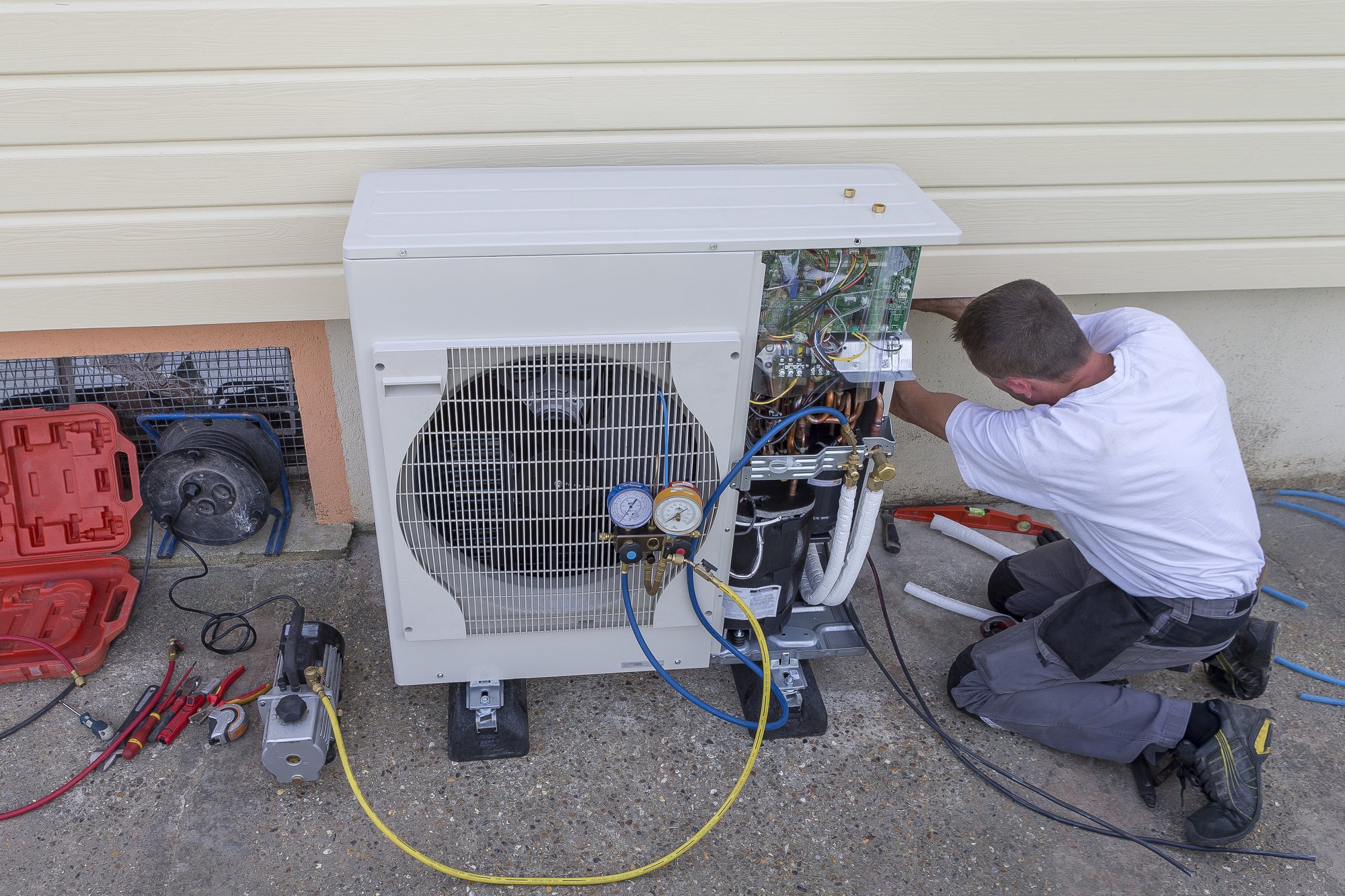
A heat pump is one of those home systems you don’t think much about until it starts behaving differently. Maybe the house isn’t warming up as quickly as it used to. Perhaps the air conditioner runs longer than normal, or there’s an unfamiliar sound coming from the outdoor unit.
Whatever the problem, the right response isn’t always replacing the entire system. Sometimes a repair or professional service is all that’s needed. In other cases, an aging unit may have reached the point where replacement makes more sense.
Knowing the difference can save money, time, and a fair amount of frustration.
When Professional Help Is Worth Calling For
Modern heat pumps are sophisticated pieces of equipment. They combine electrical components, refrigerant systems, fans, controls, and mechanical parts that all need to work together.
That’s why expert technicians can be so valuable. A qualified professional can inspect the system, identify the source of a problem, and explain whether repair, maintenance, or replacement is the most sensible option.
A good technician shouldn’t automatically recommend the most expensive solution. If a relatively minor repair can restore reliable performance, that’s worth knowing. On the other hand, repeatedly repairing an old, inefficient system may not make financial sense.
The goal is to find the practical answer.
When Installing a New Heat Pump Makes Sense
There comes a point when an older heat pump simply isn’t worth keeping alive.
Frequent breakdowns, rising repair costs, poor efficiency, inconsistent temperatures, and difficulty finding replacement parts can all be signs that it’s time to consider an upgrade.
Having a new heat pump installed can provide an opportunity to improve efficiency and reliability, particularly when the existing equipment is several years old or has become expensive to operate.
But replacement shouldn’t be rushed.
A professional should consider the property’s size, insulation, ductwork, climate, existing electrical setup, and heating and cooling requirements before recommending equipment. Proper sizing is important. A system that’s too large or too small can create comfort and efficiency problems.
The installation itself matters just as much as the equipment. Refrigerant connections, airflow, electrical components, drainage, controls, and system commissioning all need to be handled correctly.
Sometimes Your Existing Heat Pump Just Needs Care
Not every unusual noise or performance change means you need a new system.
If your heat pump is relatively young and hasn’t experienced major failures, servicing the existing equipment may be the better option.
Having the existing one serviced can help identify worn components, restricted airflow, dirty coils, electrical issues, or other problems affecting performance.
Routine maintenance is also useful even when nothing seems wrong. A technician can inspect important components and spot potential trouble before it turns into an emergency.
It’s a bit like taking your car for an oil change. You don’t wait for the engine to stop before deciding it needs attention.
Warning Signs You Shouldn’t Ignore
Heat pumps often provide clues when something isn’t working correctly.
Watch for:
- Unusual buzzing, rattling, clicking, or grinding noises
- Weak or inconsistent airflow
- Rooms that no longer reach the desired temperature
- The system running almost constantly
- Unexpected increases in energy costs
- Ice forming excessively on the outdoor unit
- Frequent cycling on and off
- Strange odors coming from the indoor equipment
One symptom doesn’t necessarily tell you exactly what’s wrong. But a noticeable change in performance is a good reason to have the system checked.
Ignoring the problem doesn’t usually make it disappear.
Maintenance Can Extend the Life of Your System
Regular heat pump maintenance is one of the easiest ways to protect an investment.
Professional service may include inspecting electrical connections, checking airflow, cleaning components, examining coils, reviewing system controls, and checking other parts according to the manufacturer’s requirements.
Homeowners can also handle a few basic tasks. Replace filters when necessary, keep indoor vents open and unobstructed, and remove leaves or debris from around the outdoor unit.
Small habits matter.
A system that’s kept reasonably clean and maintained doesn’t have to fight unnecessary restrictions every time it runs.
Repair or Replace? Ask the Right Questions
When a heat pump develops a problem, homeowners often face the same difficult question: repair it or replace it?
There isn’t one answer.
Consider the age of the equipment, the cost of the repair, its recent repair history, operating efficiency, warranty status, and expected remaining service life.
For example, spending a modest amount on a repair for a relatively young system can make perfect sense. Spending heavily on repeated repairs for an aging unit may simply postpone the inevitable.
A professional assessment can help put the numbers into perspective.
Installation Quality Matters for Long-Term Performance
Choosing a quality heat pump is only half the job.
Poor installation can lead to airflow problems, inefficient operation, unnecessary wear, and inconsistent comfort. Even a high-efficiency model won’t perform as promised if it’s incorrectly sized or improperly installed.
That’s why homeowners should look beyond equipment specifications when choosing an HVAC company.
Ask about experience, warranties, maintenance options, installation procedures, and follow-up service. A contractor who is willing to explain the process clearly is generally easier to work with when questions come up later.
A Sensible Approach Saves Headaches
The best heat pump strategy isn’t complicated.
If your existing system is working well, maintain it. If performance changes, investigate the problem early. If repairs become frequent and expensive, compare the cost of continuing to repair the system with the long-term benefits of replacement.
And when replacement is the right choice, invest in proper sizing and professional installation rather than focusing only on the initial price.
A heat pump should make your home more comfortable, not become another source of daily stress.
With experienced service, sensible maintenance, and the right equipment when replacement is necessary, you can keep your heating and cooling system dependable for years to come.