
Learning to drive is a milestone that many people remember for years. It’s not just about controlling a vehicle or following traffic signs; it’s about gaining independence, confidence, and the ability to move through the world more freely. For some, the first lesson behind the wheel feels exciting. For others, it feels stressful, with every turn, stop, and lane change creating a little nervousness.
The truth is, becoming a good driver takes time. Nobody starts out perfectly comfortable behind the wheel. Confidence comes from learning the basics, practicing consistently, and understanding that mistakes are part of the process. The goal is not just to pass a test but to develop skills that will keep you safe for a lifetime.
Understanding the First Steps Before Driving Independently
Before someone can drive alone, there are several important steps to complete. Learning traffic laws, understanding road signs, and becoming familiar with vehicle controls are all part of the foundation. These early lessons may seem simple, but they shape how a driver reacts in real situations.
Many beginners rush through the learning stage because they are eager to start driving independently. However, taking the time to understand the basics can prevent problems later. A driver who knows why certain rules exist will usually make better decisions on the road.
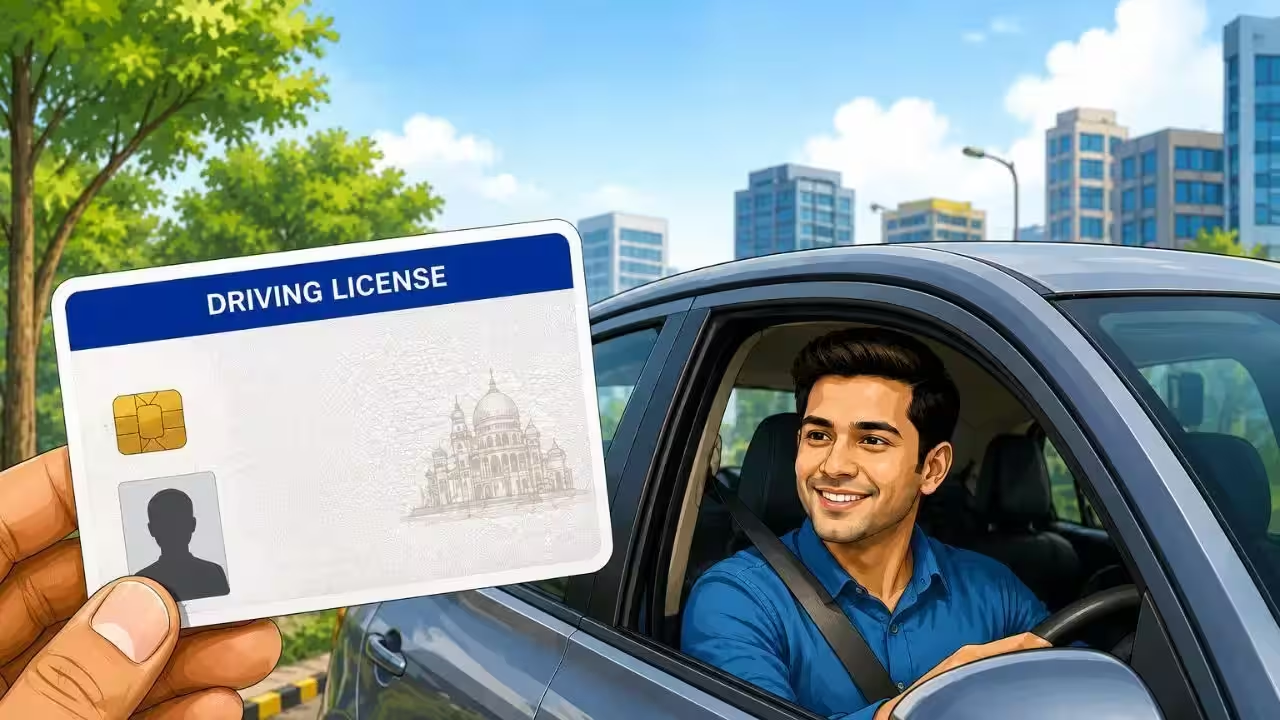
One important part of this process is receiving a physical permit, which provides official proof that a person has met the initial requirements to begin practicing. While it may seem like just a small card, it represents the beginning of a much bigger responsibility. It allows new drivers to gain confidence while learning under proper supervision.
Why Practice Creates Real Confidence
Reading a driver handbook can teach rules, but actual practice creates understanding. Driving involves many small decisions happening at the same time — checking mirrors, watching pedestrians, judging distances, and reacting to other vehicles.
At the beginning, these tasks may feel overwhelming. A new driver might think about every movement: “Am I turning correctly?” “Am I too close to the car ahead?” “Did I check my blind spot?” Over time, these actions become natural through repetition.
The amount of driving experience a person gains before driving alone can make a huge difference. More practice usually means better judgment and stronger awareness. Driving in different conditions, such as nighttime, rain, busy streets, and parking areas, helps prepare beginners for situations they may not expect.
Developing Habits That Good Drivers Follow
Safe driving is built on habits. The small things drivers do every time they get behind the wheel often determine how safely they handle unexpected situations.
Simple habits like wearing a seat belt, keeping both hands ready on the wheel, checking mirrors frequently, and maintaining a safe distance from other vehicles are extremely important. These actions might feel repetitive, but they create a safety routine that becomes automatic.
Another important habit is avoiding distractions. Phones, loud music, and unnecessary conversations can reduce attention. Even a few seconds of distraction can create a dangerous situation. Responsible drivers understand that reaching their destination safely is always more important than responding to a message or checking a notification.
Learning From Mistakes Instead of Fear
Almost every new driver makes mistakes during training. Maybe they brake too suddenly, take a turn too wide, or feel nervous when entering traffic. These moments are not failures; they are opportunities to improve.
A patient instructor or experienced driver can help identify mistakes and explain how to correct them. The key is staying open to feedback instead of becoming discouraged.
Many people remember their first driving lessons clearly because they were filled with emotions — excitement, fear, confusion, and eventually confidence. That transformation happens gradually. Each practice session adds another layer of comfort.
Preparing for the Final Step Toward Independence
After enough preparation and practice, drivers can move toward completing their final requirements. This stage is exciting because it represents the transition from learning under supervision to driving more independently.
Before taking any required driving evaluation, it’s helpful to review common skills such as parking, lane changes, turns, traffic signals, and safe decision-making. Practicing these areas repeatedly can reduce anxiety and help drivers stay focused.
A person should not think of the process as simply trying to pass a test. The real purpose is proving they can handle a vehicle responsibly and safely. The test is only one moment; the skills developed during training will matter for years.
The Reward of Becoming an Independent Driver
For many people, the biggest motivation throughout the learning process is the goal to get your license and enjoy the freedom that comes with it. Having the ability to travel independently can open new opportunities, whether it means commuting to work, attending school, or simply exploring new places.
However, earning a license is not the end of learning. Even experienced drivers continue improving. Roads change, traffic patterns change, and every journey brings new situations.
The best drivers stay alert, remain respectful toward others, and continue practicing safe habits no matter how long they have been driving.
Final Thoughts
Becoming a confident driver is a journey, not a race. The process requires patience, practice, and a willingness to learn. From holding your first permit to gaining real experience on the road, every step builds the skills needed for safe and responsible driving.
The most important thing is not how quickly you become a driver but how well you prepare yourself. With steady practice and the right mindset, driving can become more than a skill — it can become a source of confidence and independence for life.
