Most people don’t spend much time thinking about their home’s water system. You turn on the kitchen faucet, fill a glass, start the washing machine, or step into the shower, and you expect water to be there. Simple enough. At least, that’s how it feels when everything is working properly.
Behind that everyday convenience, though, there’s quite a bit going on.
Water quality matters, of course, but so do pressure, storage, temperature, taste, mineral content, and the way water moves through a home. Two houses on the same street can even have surprisingly different experiences. One family may complain about weak shower pressure while their neighbor is dealing with scale on fixtures or water that simply doesn’t taste quite right.
That’s why improving household water isn’t always about installing one filter and calling it a day.
When Water Pressure Becomes an Everyday Problem
Low or inconsistent water pressure is one of those problems people tend to tolerate longer than they should. A shower takes a little longer. The garden hose feels weak. Someone starts the dishwasher while you’re washing your hands and suddenly the flow drops.
Individually, these aren’t disasters. Day after day, though, they’re annoying.
Homes supplied by private wells can have their own pressure challenges, but municipal-water households aren’t automatically immune. Elevation, plumbing configuration, aging pipes, demand and other factors can influence how water behaves once it reaches the house.
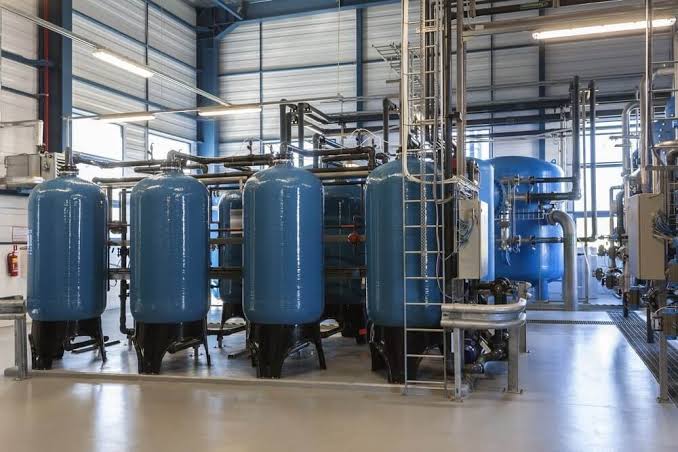
In situations where supply and pressure need better management, properly selected pump, pressure & storage tank systems can help create a steadier and more dependable flow. The important word here is “selected.” Bigger equipment isn’t automatically better. The system needs to match the household’s actual water demand and existing plumbing.
A family of two, for example, doesn’t necessarily need the same setup as a busy six-person household with multiple bathrooms and outdoor irrigation.
Water Quality Problems Aren’t All the Same
It’s tempting to talk about “bad water” as though it were one universal problem. It isn’t.
Hardness minerals may leave cloudy marks on glassware and buildup around faucets. Iron can cause reddish or brown staining. Sediment may make water look unpleasant. Other households are mainly concerned about taste or odor.
And sometimes the issue is very specific.
This is where water testing becomes genuinely useful. Instead of buying equipment based on guesswork, testing gives homeowners a clearer picture of what they’re actually dealing with. From there, treatment can be chosen for the problem rather than for whatever product happens to be advertised most heavily.
Some properties may benefit from specialty water solutions designed around unusual or more persistent water conditions rather than a basic one-size-fits-all treatment approach. That can be especially relevant for well-water properties, older homes, or places where local water characteristics create recurring issues.
The goal isn’t to turn the utility room into a laboratory. It’s simply to solve the right problem.
Convenience Deserves a Place in the Conversation
Water treatment discussions can become surprisingly technical. Microns, minerals, flow rates, pressure switches, tank capacity… all useful information, sure, but homeowners usually care about something more straightforward: what will make daily life better?
Think about drinking water.
If getting cold, pleasant-tasting water requires filling pitchers and constantly rearranging bottles in the refrigerator, people may eventually stop bothering. Convenience affects habits more than we sometimes admit.
For families that drink plenty of water throughout the day, home water coolers can provide an easy dedicated source without relying on a refrigerator full of individual bottles. Depending on the setup, they can also make sense in home offices, workshops, recreation rooms, or other areas where people regularly want drinking water nearby.
It’s a relatively small improvement, but those are often the ones you notice most.
Don’t Forget What Water Is Doing to the House
Water quality isn’t only about drinking.
Hard water, sediment, and other unwanted materials travel through plumbing fixtures and water-using appliances every day. Over time, mineral buildup can appear on showerheads, faucets, glass doors, sinks, and other surfaces.
Anyone who has scrubbed stubborn white scale from a faucet knows how quickly this gets old.
A thoughtfully designed water system may help reduce some of that maintenance while improving the experience of washing, cleaning, bathing, and doing laundry. It may also help protect certain plumbing components and appliances from excessive deposits, depending on the underlying water problem.
This is why looking at the whole house makes sense. The kitchen faucet is only one piece of the puzzle.
Start With the Problem, Not the Equipment
One mistake homeowners make is shopping for a solution before understanding the issue.
Maybe the water tastes strange, so they buy a filter. Then they discover the bigger problem was hardness. Or pressure seems poor, so they assume they need a larger pump when the actual cause is somewhere else in the plumbing.
A better approach starts with observation.
Does pressure fall at particular times? Are there stains around fixtures? Is there visible sediment? Does the water have an unusual smell? Is scale appearing unusually fast? Are problems happening throughout the house or only at one fixture?
Those details can point the investigation in the right direction.
Testing and professional evaluation can then help separate water-quality concerns from plumbing or pressure issues. It isn’t glamorous, but diagnosis usually saves money compared with repeatedly trying products that don’t address the actual cause.
A Better Water System Should Feel Almost Invisible
The best household improvements often disappear into the background.
You don’t wake up excited because the water pressure remained steady. You probably won’t admire the lack of scale on a showerhead every morning either. You simply notice that the shower feels better, glasses look cleaner, drinking water is convenient, and one more household annoyance has quietly gone away.
That’s really the point.
A good home water setup shouldn’t feel unnecessarily complicated. It should fit the property, address genuine water conditions, and work reliably without demanding constant attention.
Before buying another pitcher, filter, tank, pump, or treatment device, figure out what your water actually needs. Sometimes the solution is surprisingly simple. Other times, several small improvements work together.
Either way, better water isn’t just about what’s in the glass. It’s about how comfortably and reliably water works throughout the entire home.