Water is easy to overlook when a business is busy. It comes out of the tap, equipment runs, employees use it, and customers rarely think about what happens behind the scenes. But for commercial facilities, water quality can quietly affect everything from operating efficiency to maintenance schedules and the consistency of finished products.
Restaurants, hotels, manufacturing facilities, healthcare buildings, laundries, and other businesses all depend on reliable water. When that water contains excessive minerals, sediment, chlorine, bacteria, or other unwanted substances, the consequences can become expensive. A well-designed commercial water treatment system isn’t simply about having cleaner water. It’s about protecting equipment, maintaining consistency, and making everyday operations more dependable.
Why Water Quality Matters in Commercial Operations
Commercial water systems often deal with much higher volumes than residential systems. That means even a relatively minor water-quality problem can become a major operational headache over time.
Hard water is a common example. Calcium and magnesium can create scale inside pipes, boilers, water heaters, dishwashers, cooling systems, and other equipment. Once scale builds up, equipment may have to work harder to deliver the same results. In some cases, it can also shorten the useful life of expensive components.
Poor water quality may also affect the appearance, taste, odor, or performance of products. For a restaurant, inconsistent water can influence beverages, ice, cooking, and cleaning. In manufacturing, water may be part of the production process itself, making consistency even more important.
These aren’t always dramatic problems at first. Sometimes they’re small inefficiencies that slowly become expensive.
Also read: Keeping Your Water System Running Smoothly: Support, Service, and Salt Delivery in FloridaThe Hidden Cost of Untreated Water
One of the biggest challenges for business owners is that water-related expenses don’t always appear on the same invoice. Instead, they show up in several places.
Frequent equipment servicing, premature replacement of components, excess detergent use, energy waste, and unexpected downtime can all be connected to water conditions. Together, these expenses can contribute to higher operating costs, even when nobody initially identifies water as the culprit.
For example, a commercial kitchen with hard water may notice cloudy glassware and frequent scale deposits. Staff might use more cleaning products to compensate. Equipment may require additional descaling, and heating elements can become less efficient. None of those issues alone necessarily sounds alarming, but over months and years, the costs add up.
This is why water treatment should be viewed as part of facility management rather than just another maintenance purchase.
Protecting Equipment From Scale and Corrosion
Commercial equipment isn’t cheap. Once a business invests in boilers, coffee machines, ice makers, dishwashers, water heaters, or industrial processing equipment, protecting that investment becomes a priority.
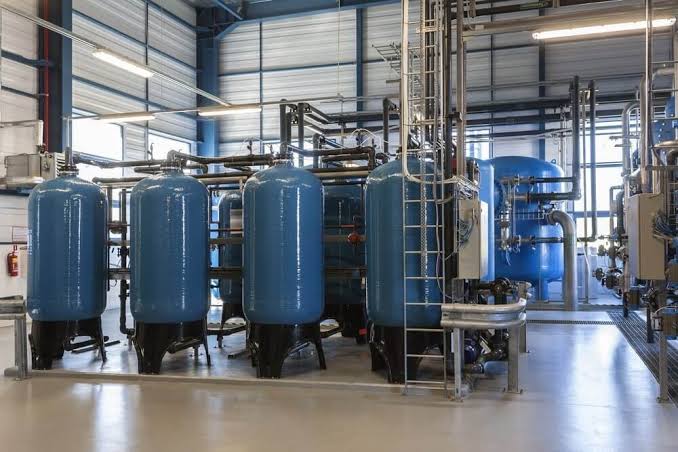
Also read: Why Testing Your Water First Leads to Better Treatment DecisionsWater treatment can help manage conditions that contribute to mineral scale, corrosion, and sediment accumulation. Depending on the water source and application, treatment may involve softening, filtration, reverse osmosis, carbon filtration, or other technologies.
The important point is that there isn’t one universal system for every facility. A hotel may have different requirements from a food-processing plant, while a healthcare facility may have stricter water-quality needs than a typical office building.
Testing the incoming water is a sensible first step. It helps identify what is actually present instead of relying on assumptions.
Consistency Is Just as Important as Cleanliness
Clean-looking water isn’t necessarily water that’s suitable for every commercial application. Businesses often need specific characteristics, depending on how water is being used.
A beverage manufacturer, for instance, may need carefully controlled mineral content. A restaurant may care strongly about taste and odor. A laundry operation may be concerned about hardness because minerals can interfere with detergents and leave fabrics feeling rough.
When water quality isn’t consistent, it can contribute to product quality issues that customers notice before management understands the source of the problem.
Also read: Finding a More Convenient and Reliable Way to Enjoy Better WaterThat makes water analysis especially valuable. Rather than installing a system based on a generic recommendation, businesses can identify their actual water challenges and choose treatment accordingly. It’s a more thoughtful approach, and usually a more economical one in the long run.
Choosing the Right Commercial Water Treatment Approach
Selecting a treatment system starts with understanding the facility.
Consider questions such as:
- Where does the water come from?
- What contaminants or minerals are present?
- How much water does the facility use each day?
- Is treatment needed for the entire building or only specific equipment?
- What are the water-quality requirements of the business?
- How often can filters, membranes, or other components be maintained?
- Are there local water regulations or industry standards to consider?
A basic sediment filter might be enough for one application, while another facility may require multiple treatment stages.
For businesses with complex needs, customized commercial water treatment solutions can make more sense than an off-the-shelf system. A properly designed setup can target specific water problems while avoiding unnecessary treatment. That’s important because over-treating water can be just as impractical as under-treating it.
Also read: Why Good Electrical Work Starts Long Before the First Wire Is ConnectedMaintenance Shouldn’t Be an Afterthought
Even the best water treatment system needs regular attention. Filters eventually become saturated, softeners need regeneration or salt management, and membranes require monitoring. Neglecting maintenance can reduce performance and potentially create new problems.
A commercial maintenance plan should include routine inspections, water testing where appropriate, replacement schedules, and performance checks. Keeping simple records can also help identify gradual changes before they become serious.
It’s a bit like servicing a vehicle. You don’t wait for the engine to fail before changing the oil. Water treatment deserves the same practical mindset.
Think Beyond the Initial Price
When businesses compare water treatment systems, it’s tempting to focus on the purchase price. But the cheaper option isn’t necessarily the less expensive one.
A system that requires frequent replacement parts, consumes excessive resources, or doesn’t adequately protect equipment may cost considerably more over its lifetime.
Also read: Protecting Plumbing and Equipment from Scale, Corrosion, and Water DamageA better evaluation looks at total cost of ownership. Installation, energy use, water consumption, maintenance, replacement components, equipment protection, and expected lifespan should all be considered.
Professional assessment can help businesses understand these trade-offs before committing to a system. In many cases, the right solution isn’t the largest or most technologically complicated one. It’s simply the one that matches the facility’s actual needs.
A Practical Investment in Business Reliability
Water treatment may not be the most glamorous part of running a commercial facility, but it can have a surprisingly broad impact. Good water management protects equipment, supports consistent processes, reduces avoidable maintenance, and can make daily operations run a little more smoothly.
The smartest approach is to start with testing and a clear understanding of how water is used throughout the facility. From there, businesses can choose treatment technology based on real requirements rather than guesswork.
In the end, better water isn’t only about what’s coming out of the faucet. It’s about what that water touches, what it costs, and how reliably a business can operate day after day. That’s where a well-planned commercial water treatment strategy starts to pay for itself.