Water is essential to almost every property, but it can also create problems that are easy to overlook. From household plumbing to commercial equipment, water constantly moves through pipes, valves, heaters, appliances, and fixtures. When its chemical balance is unsuitable, that daily movement can slowly damage the systems people rely on.
At first, the signs may seem harmless: a white ring around a faucet, reduced water pressure, a strange metallic taste, or a water heater that takes longer to do its job. Over time, however, these small warning signs can develop into expensive repairs, inefficient equipment, and unexpected interruptions.
Understanding how water affects plumbing and machinery is the first step toward preventing damage. With appropriate testing, treatment, and maintenance, property owners can protect their investment and avoid many common water-related problems.
Why Water Chemistry Matters
Water is not simply H₂O. Depending on its source, it may contain minerals, dissolved gases, sediment, salts, microorganisms, and other substances. Municipal water is treated before reaching consumers, but its characteristics can still vary by region and distribution system. Private well water may contain naturally occurring minerals or compounds influenced by local soil and rock formations.
The chemical properties of water can affect how it interacts with metal, plastic, rubber, and other materials. Factors such as pH, hardness, alkalinity, dissolved oxygen, and total dissolved solids all play a role.
Water that is too acidic may gradually affect metal pipes and fixtures. Water with high mineral content can leave deposits on heating elements and internal surfaces. Sediment may clog valves or damage sensitive components. None of these issues should be judged only by appearance, because clear water can still have properties that cause long-term damage.
A water-quality test provides useful information about what is actually present. It can help determine whether the right response involves filtration, softening, corrosion control, disinfection, or another treatment method.
How Scale Buildup Develops
One of the most familiar water-related issues is scale buildup. It is commonly associated with hard water, which contains higher concentrations of calcium and magnesium. When hard water is heated or evaporates, these minerals can remain behind as solid deposits.
Scale often appears around faucets, showerheads, kettles, coffee machines, and glass shower doors. Inside plumbing and equipment, it may be much harder to see. Water heaters, boilers, dishwashers, and industrial heating systems can all develop mineral deposits over time.
The problem is not only the appearance of the residue. Scale can restrict water flow, reduce heat-transfer efficiency, and force equipment to work harder. A heating element covered in mineral deposits may require more energy to heat water. In commercial settings, this can increase operating costs and lead to more frequent servicing.
Water softeners are commonly used to reduce hardness minerals before they enter a property’s plumbing system. However, softeners are not designed to remove every contaminant. Their purpose is primarily to address hardness, so they should be selected based on water testing and the needs of the building.
Understanding Corrosion in Plumbing Systems
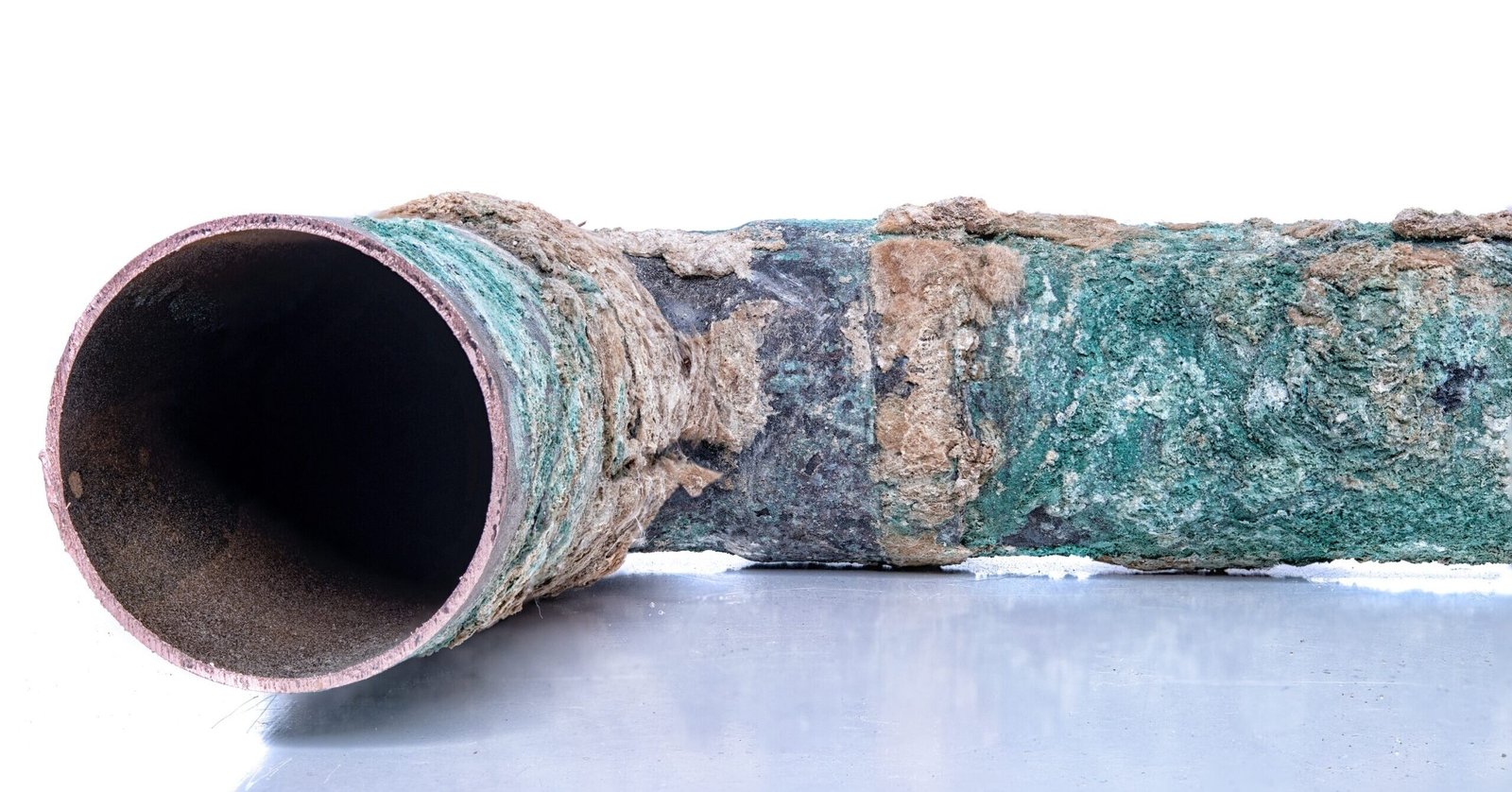
While scale involves mineral deposits collecting on surfaces, corrosion is the gradual deterioration of materials caused by chemical or electrochemical reactions. Metal plumbing components are particularly vulnerable when water chemistry is unsuitable.
Acidic water, high levels of dissolved oxygen, excessive salts, and certain chemical conditions can contribute to corrosion. Older plumbing systems may be especially sensitive, although newer systems are not immune. Copper, galvanized steel, iron, and other metals can respond differently depending on the water conditions and surrounding materials.
Corrosion may cause discoloured water, metallic tastes, pinhole leaks, weakened pipe walls, or stains around fixtures. In severe cases, it can result in pipe failure and water damage inside walls, ceilings, or floors.
Corrosion can also occur through galvanic action when different metals are connected and exposed to an electrolyte such as water. This is one reason plumbing design and material compatibility matter during installation or renovation.
Addressing corrosion often requires more than replacing one damaged pipe. A professional may need to investigate pH, alkalinity, mineral content, water temperature, and the age and material of the plumbing. Depending on the cause, solutions may include corrosion-control treatment, filtration, pH adjustment, or selective pipe replacement.
The Problem of Premature Wear
Water-related damage often leads to premature wear in equipment that should otherwise last for many years. Appliances and commercial systems are designed to operate under certain conditions. When sediment, scale, or aggressive water chemistry enters the picture, internal parts may experience unnecessary stress.
For example, washing machines and dishwashers may develop performance issues when mineral deposits interfere with valves, heating components, or spray openings. Coffee machines can suffer from restricted flow and blocked internal passages. Water heaters may lose efficiency as deposits accumulate around heating elements or inside tanks.
In industrial environments, premature wear can be even more costly. Pumps, heat exchangers, cooling systems, boilers, and production equipment may rely on carefully controlled water quality. Deposits can reduce flow, while corrosive water can weaken components. The result may be increased downtime, higher repair bills, and reduced productivity.
Preventing premature wear is usually more affordable than replacing equipment early. That means water treatment should be viewed as a form of asset protection, not merely an optional upgrade.
Choosing the Right Water Treatment Method
There is no universal water treatment system that solves every problem. Different technologies target different water-quality concerns, and selecting the wrong system can waste money while leaving the original issue unresolved.
Sediment filters can remove particles such as sand, rust, dirt, and debris. Activated carbon filters are commonly used to improve taste and odor and reduce chlorine. Water softeners help reduce hardness minerals. Reverse osmosis systems may be useful for reducing dissolved solids and certain contaminants in drinking or process water.
In some cases, pH adjustment or corrosion-control treatment may be necessary. Private well owners may also need specialized treatment for iron, manganese, sulfur compounds, or microbial concerns. Industrial facilities may require carefully designed treatment processes based on their equipment and production requirements.
Before purchasing a system, property owners should consider the water source, flow rate, daily usage, peak demand, installation space, maintenance needs, and operating cost. A system that works well for a small home may not be suitable for a hotel, restaurant, office building, or factory.
Maintenance Is Part of Prevention
Even the best treatment system cannot protect plumbing or equipment if it is neglected. Filters need to be replaced, softeners require servicing, and treatment components must be inspected regularly. Water quality can also change over time, particularly in private wells or properties undergoing plumbing work.
Property owners should watch for warning signs such as:
- White or chalky deposits around fixtures
- Rust-coloured or metallic-tasting water
- Reduced water pressure
- Unusual odors
- Leaking pipes or fittings
- Higher energy bills
- Equipment taking longer to heat water
- Frequent appliance or plumbing repairs
These signs do not always identify the exact cause, but they indicate that further investigation may be worthwhile. Routine testing and maintenance can reveal problems before they become major failures.
Commercial properties should maintain service records and schedule inspections around operating needs. Planned maintenance is easier to budget for than emergency repairs, especially when water systems support essential business functions.
A Practical Long-Term Approach
Protecting plumbing and equipment begins with understanding the water that flows through them. Instead of treating every problem with the same solution, property owners should identify the cause and choose treatment accordingly.
Hard water may call for softening. Sediment may require filtration. Corrosive conditions may need chemical adjustment or corrosion control. Drinking-water concerns may require a dedicated purification system. In many cases, a combination of technologies provides the most suitable result.
Water treatment is not only about improving taste or appearance. It can help protect pipes, reduce energy waste, extend equipment life, and prevent avoidable disruption. A little attention today can save considerable money and inconvenience later.
The most effective strategy is straightforward: test the water, understand the risks, install suitable treatment, and maintain it consistently. When water quality is managed properly, plumbing and equipment can perform more reliably—and last closer to the lifespan they were designed to achieve.