Water is one of the few things people use constantly without giving it much thought. It’s there when we make tea in the morning, fill a cooking pot, wash vegetables, take a shower, or give the dog a fresh bowl. But when the water tastes strange, leaves spots on the sink, or becomes difficult to rely on, its importance suddenly feels very real.
For many households and workplaces, the challenge is not simply getting access to water. It’s finding a dependable way to maintain quality, convenience, and consistency. Some people turn to delivered drinking water, while others invest in treatment equipment that improves the water already coming into their property. Both approaches can be useful, depending on the situation.
The key is to understand what you need and choose a solution that fits your daily routine rather than creating another task to manage.
Why People Look for Alternatives to Tap Water
Tap water is generally treated before it reaches homes and businesses, but its final quality can be influenced by several factors. The original water source, treatment process, local infrastructure, and condition of household plumbing can all make a difference.
Some people dislike the taste or smell of chlorine. Others live in areas with hard water, which can cause scale buildup on fixtures and appliances. Private well owners may face concerns involving sediment, iron, sulfur, bacteria, or changing groundwater conditions.
Even when water is considered acceptable for normal use, homeowners may still want better-tasting drinking water or softer water for cleaning and bathing. These preferences are perfectly understandable. After all, water quality affects small parts of the day that add up over time.
When Bottled Water Delivery Makes Sense
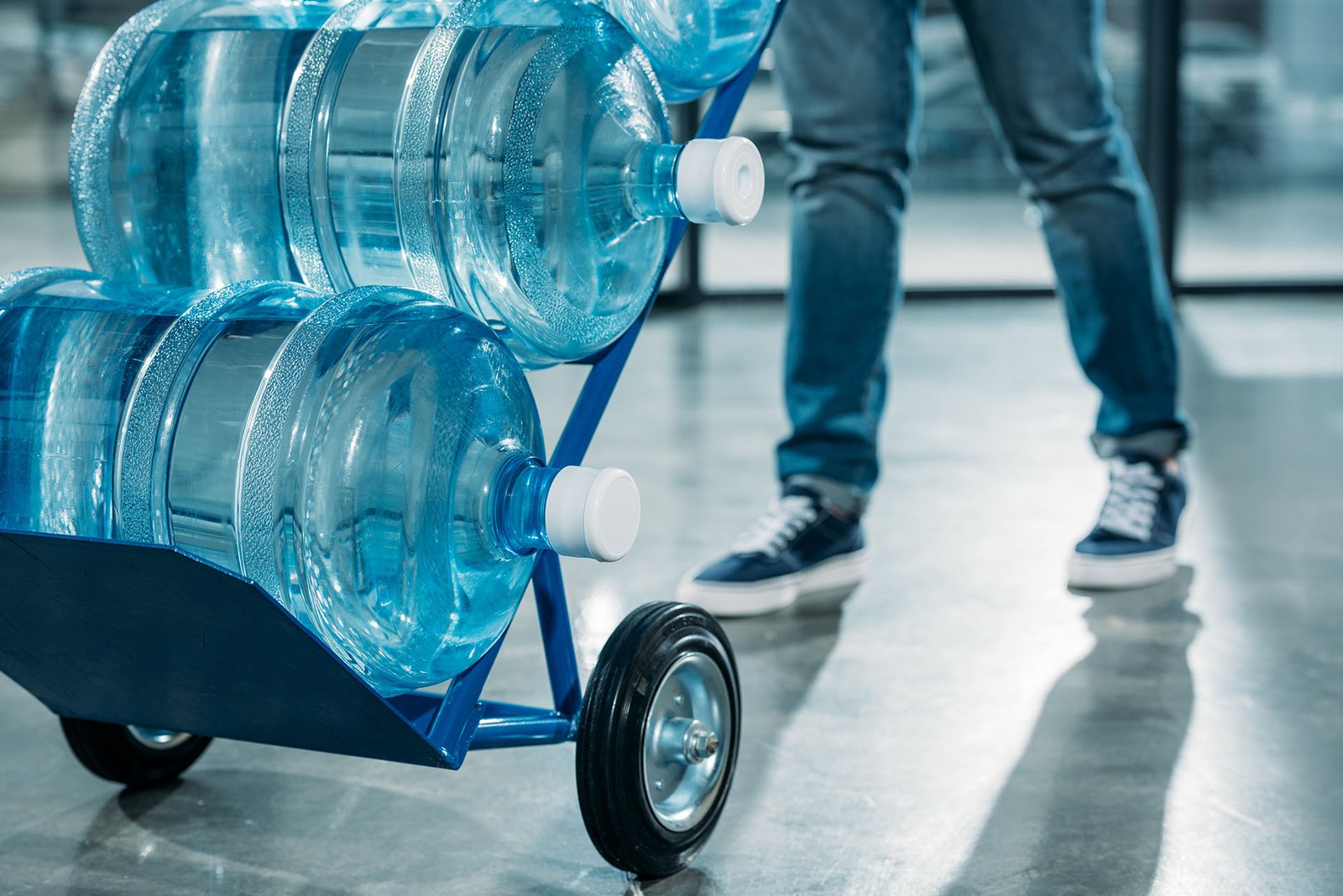
For households, offices, and commercial spaces that need a regular supply of drinking water, bottled water delivery can offer a practical alternative. Instead of repeatedly purchasing individual bottles from a store, customers can arrange scheduled deliveries based on their consumption.
This can be especially convenient for busy families, workplaces with several employees, waiting rooms, and businesses that want drinking water readily available for visitors. Delivery services may provide different bottle sizes, dispenser options, and delivery schedules, depending on the provider.
However, it’s worth looking beyond convenience. Customers should ask where the water comes from, how it is treated, how containers are cleaned, and how bottles are stored during transportation. Reusable containers should be handled carefully, and delivery schedules should be reliable enough to prevent shortages.
Bottled water can solve an immediate drinking-water need, but it may not address other household concerns, such as hard water in showers or scale inside a water heater.
Water Treatment Can Improve More Than Taste
For homeowners who want to improve water throughout the property, a treatment system may provide a longer-term solution. Depending on the water conditions, treatment can help reduce hardness, sediment, chlorine, certain dissolved substances, or microorganisms.
A water softener is commonly used when calcium and magnesium create scale and cleaning problems. Carbon filtration may help reduce chlorine taste and odor. Reverse osmosis is often selected for drinking water because it can reduce many dissolved substances. Sediment filtration can protect plumbing and appliances from particles such as rust, sand, and dirt.
The right equipment depends on the actual problem. A system designed to improve taste may not remove bacteria, and a softener is not intended to eliminate every contaminant. Understanding these differences is important before making a purchase.
Why Professional System Repairs Matter
Water treatment equipment is designed to operate for years, but no system lasts forever without maintenance. Filters become exhausted, seals wear down, valves may malfunction, and pumps or electrical components can eventually require attention.
When problems occur, professional system repairs can help restore performance and prevent a small issue from becoming a more expensive failure. A leaking connection, unusual noise, low water pressure, or sudden change in water quality should not simply be ignored.
Attempting a repair without understanding the system can sometimes create additional damage. Water treatment equipment is connected to plumbing, and some systems also involve electricity, drainage lines, pressure tanks, or computerized controls. A trained technician can identify the cause of the issue and recommend the appropriate repair rather than replacing parts unnecessarily.
Homeowners should also keep records of filter changes, service visits, and warranty information. These details can make future troubleshooting faster and easier.
Start With Testing Before Choosing Equipment
One of the smartest steps a homeowner can take is to understand the water before selecting a treatment system. A free water test may help identify common concerns such as hardness, pH, chlorine, iron, manganese, or total dissolved solids.
Testing can prevent people from purchasing equipment based only on assumptions or advertisements. For example, a homeowner who sees white scale may immediately assume a softener is needed, but testing can confirm whether hardness is actually the cause. Likewise, unusual taste may come from chlorine, plumbing materials, or another factor that requires a different solution.
A basic test is useful for identifying common water characteristics, but it may not detect every possible contaminant. If there is a suspected health risk, flooding near a well, or a known contamination concern, certified laboratory testing may be more appropriate.
The results should be explained clearly, without unnecessary fear or pressure to buy equipment.
Consider the Full Cost of Ownership
The initial purchase price is only one part of a water solution’s cost. Homeowners should also consider installation, filter replacements, salt, electricity, water usage, servicing, and eventual component replacement.
A low-cost system may not be a bargain if replacement filters are expensive or difficult to find. On the other hand, a more advanced system may not be worth the investment if the household only needs a simple improvement.
Ask the provider about expected maintenance, warranty coverage, service availability, and the lifespan of major components. A trustworthy company should explain both the benefits and limitations of its recommendations.
Choosing What Works for Your Lifestyle
There is no single answer for every household. Bottled water delivery may be ideal for convenient drinking-water access, while a whole-home treatment system may better suit someone dealing with hard water or persistent plumbing issues. Some households may use both approaches for different purposes.
The best decision begins with identifying the concern, testing the water when necessary, and comparing solutions based on performance and long-term practicality. Avoid choosing equipment simply because it promises to solve every water problem. Clear expectations usually lead to better results.
Ultimately, better water should make life easier, not more complicated. Whether you choose delivered drinking water, treatment equipment, or a combination of services, the aim is the same: dependable water that fits your home, your needs, and your everyday routine.