Choosing a new air conditioner isn’t something most homeowners do frequently. When the time finally arrives, the variety of available equipment, installation methods, and efficiency ratings can make the decision surprisingly complicated.
Should you invest in central air conditioning, consider a ductless system, or explore a heat pump that provides both heating and cooling?
For homeowners in Fort Mohave, these decisions are particularly important because dependable cooling plays an essential role in everyday comfort during the demanding Arizona summers.
The good news is that finding suitable equipment doesn’t have to become an overwhelming experience. By understanding available technologies, considering your property’s requirements, and working with experienced professionals, you can establish a cooling system that delivers dependable performance and long-term value.
Exploring Different Air Conditioning Technologies for Your Home
Modern cooling equipment offers considerably more flexibility than traditional residential systems. Homeowners can now select technologies based on their property’s layout, comfort preferences, and energy efficiency objectives.
Understanding the available air conditioning installation options allows you to compare different systems before committing to a significant household investment.
Central air conditioning remains a popular choice for properties with suitable ductwork. These systems distribute conditioned air throughout multiple rooms, providing convenient temperature control across the home.
Ductless mini-split systems offer an alternative for properties without existing ducts or spaces requiring independent temperature control.
Imagine converting your garage into a comfortable home office. Extending the existing ductwork might prove complicated, whereas a suitably sized ductless system could provide practical cooling for that individual space.
Heat pumps are another option worth considering because they provide both heating and cooling through a single system.
Some modern systems also incorporate variable-speed technology, allowing equipment to adjust its output according to changing indoor comfort requirements.
Every technology has advantages and limitations. The most suitable choice depends on your property’s actual needs rather than the popularity of a particular system.
Planning a Cooling Installation That Fits Your Property
A successful installation begins long before the equipment arrives at your doorstep. Understanding how your home responds to outdoor temperatures helps determine which cooling arrangement will deliver satisfactory results.
Also read: Choosing a Water Softener With Confidence: What Every Homeowner Should Know Before BuyingProfessional home cooling system installation involves evaluating the property’s layout, insulation, existing infrastructure, and anticipated cooling demands.
Consider a house with expansive windows that receive direct afternoon sunlight. Certain rooms may become considerably warmer than others, even when the existing air conditioner operates continuously.
These conditions need to be considered when selecting new equipment.
Proper sizing is particularly important. A system with excessive capacity may cycle too frequently, while undersized equipment could struggle to maintain comfortable temperatures during periods of extreme heat.
Existing ductwork also deserves careful attention. Damaged connections, inadequate sizing, and restricted airflow can interfere with the performance of otherwise efficient equipment.
A qualified technician can perform a cooling load calculation and recommend suitable equipment based on the findings.
Homeowners should also discuss installation locations, drainage arrangements, electrical requirements, and future maintenance accessibility.
Careful preparation helps reduce unexpected complications and creates a stronger foundation for dependable cooling performance.
Choosing the Right Professional for Your Installation Project
The quality of an HVAC installation can influence equipment performance for many years. Even an advanced air conditioner may fail to deliver its intended benefits when installed incorrectly.
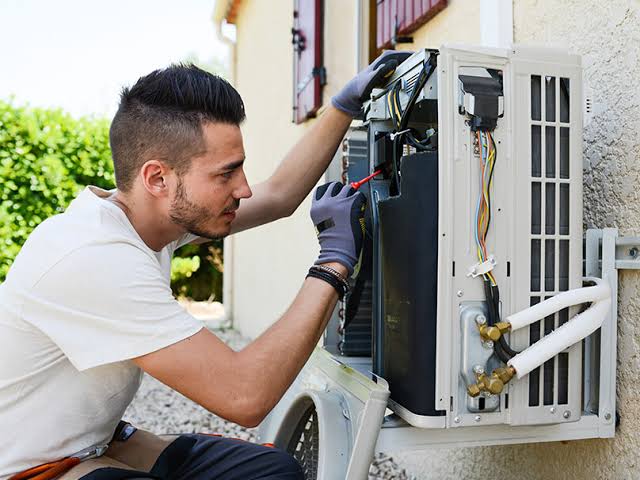
Selecting an experienced air conditioner installation contractor helps homeowners navigate equipment selection, installation requirements, and operational testing with greater confidence.
Look for professionals who possess appropriate licensing, insurance, technical qualifications, and experience with residential cooling equipment.
A dependable contractor should take time to understand your concerns before recommending a particular system.
Perhaps your existing air conditioner cools the living room comfortably but leaves the bedrooms noticeably warmer. Rather than immediately recommending a larger unit, a knowledgeable professional should investigate airflow distribution and other potential causes.
Also read: A Smarter Way to Enjoy Cleaner Drinking Water at HomeTransparent communication is equally important.
Request a detailed estimate that explains equipment specifications, installation costs, additional work, and warranty coverage.
Once installation is complete, the contractor should demonstrate system operation and explain maintenance requirements.
Good workmanship extends beyond getting the equipment running. It involves helping homeowners understand their investment and ensuring the system operates under suitable conditions.
Comparing Energy Efficiency and Long-Term Operating Costs
The initial purchase price of an air conditioner tells only part of its financial story.
Over several years, electricity consumption, maintenance expenses, and repair requirements can significantly influence the total cost of ownership.
When comparing cooling equipment, consider the following factors:
- Seasonal energy efficiency ratings, such as SEER2.
- Equipment capacity and compatibility with your property.
- Anticipated electricity consumption.
- Expected maintenance and servicing requirements.
- Equipment warranties and replacement component availability.
- Indoor and outdoor operating noise.
A higher-efficiency system may cost more initially but could offer lower electricity expenses under comparable operating conditions.
However, actual savings depend on local energy rates, installation quality, weather conditions, and household usage habits.
Discuss these considerations with your HVAC professional rather than focusing exclusively on advertised efficiency ratings.
Avoiding Common Air Conditioning Installation Mistakes
Installing new cooling equipment is a significant investment, making it worthwhile to avoid decisions that could compromise long-term performance.
One common mistake is selecting equipment based entirely on square footage without considering insulation, window placement, and sunlight exposure.
Also read: Understanding Your Water: From Reliable Testing to the Right TreatmentAnother involves overlooking existing ductwork problems when replacing older equipment.
Homeowners should also avoid choosing contractors solely because they provide the lowest estimate. An unusually inexpensive installation may exclude important preparation work or operational testing.
Ask questions, compare detailed proposals, and establish clear expectations before authorizing the project.
Taking a little extra time during the planning stage can prevent considerable frustration later.
Maintaining Your New Cooling System After Installation
Once your air conditioner is installed, regular maintenance becomes essential for preserving its performance.
Replace or clean accessible filters according to manufacturer recommendations, keep indoor vents unobstructed, and maintain appropriate clearance around outdoor equipment.
Arrange professional servicing before demanding summer temperatures arrive.
Consistent maintenance can help identify developing mechanical problems, preserve operating efficiency, and reduce certain avoidable repair expenses.
Creating a Comfortable Home for Every Arizona Summer
Finding the right air conditioning system is about balancing comfort, efficiency, installation quality, and affordability.
For Fort Mohave homeowners, thoughtful equipment selection and professional workmanship can make even the hottest summer days considerably more manageable.
Rather than rushing into a purchase, explore suitable technologies, discuss your property’s requirements, and choose experienced professionals who value dependable results.
After all, the best cooling investment is one that fits your lifestyle, respects your budget, and makes returning home after a long, hot day something you genuinely look forward to.