There’s something reassuring about pouring a glass of fresh, clean water straight from the kitchen tap. It’s a small everyday comfort, whether you’re filling a bottle before heading out, making tea in the afternoon, or preparing dinner for the family. But when water has an unpleasant taste, an unusual smell, or concerns about dissolved contaminants, that simple routine can become less reassuring.
For many households, improving drinking water starts with understanding the available treatment options. Reverse osmosis is one technology worth considering because it can reduce a range of dissolved substances when the system is properly selected and maintained. Newer designs also offer practical features that suit modern kitchens, particularly homes where counter space is limited and convenience matters.
Understanding Reverse Osmosis Filtration
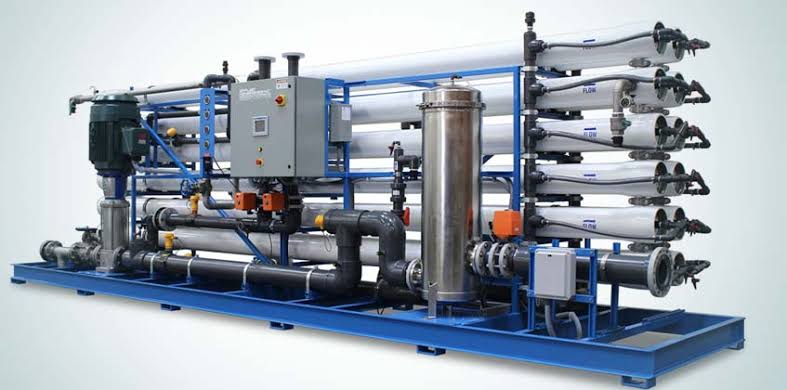
Reverse osmosis, often shortened to RO, is a water treatment process that uses pressure to push water through a semipermeable membrane. The membrane allows water to pass while rejecting many dissolved substances. A portion of the incoming water carries away the rejected material as wastewater, while the treated water is collected for use.
A reverse osmosis drinking water system may help reduce certain dissolved salts, some metals, and other contaminants, depending on the membrane, system design, and water conditions. The exact reduction rate varies by contaminant, so it’s important to review verified performance data rather than assume that every RO unit removes everything.
This distinction matters. Water can look perfectly clear and still contain dissolved substances that aren’t visible to the naked eye. At the same time, an unpleasant taste doesn’t necessarily indicate that water is unsafe. Testing and reliable information about the water supply provide a better basis for choosing treatment.
RO systems are often installed beneath the kitchen sink, where they can supply a dedicated drinking-water faucet. Some models use a storage tank, while others produce filtered water on demand. Each arrangement has advantages, and the best option depends on daily use, available space, and the characteristics of the incoming water.
Why Direct-Flow Technology Appeals to Modern Homes
Traditional RO systems commonly store treated water in a pressurized tank. This allows water to be available when someone opens the faucet, even though the membrane may produce filtered water relatively slowly. However, the tank takes up room beneath the sink and may require attention as part of the overall system.
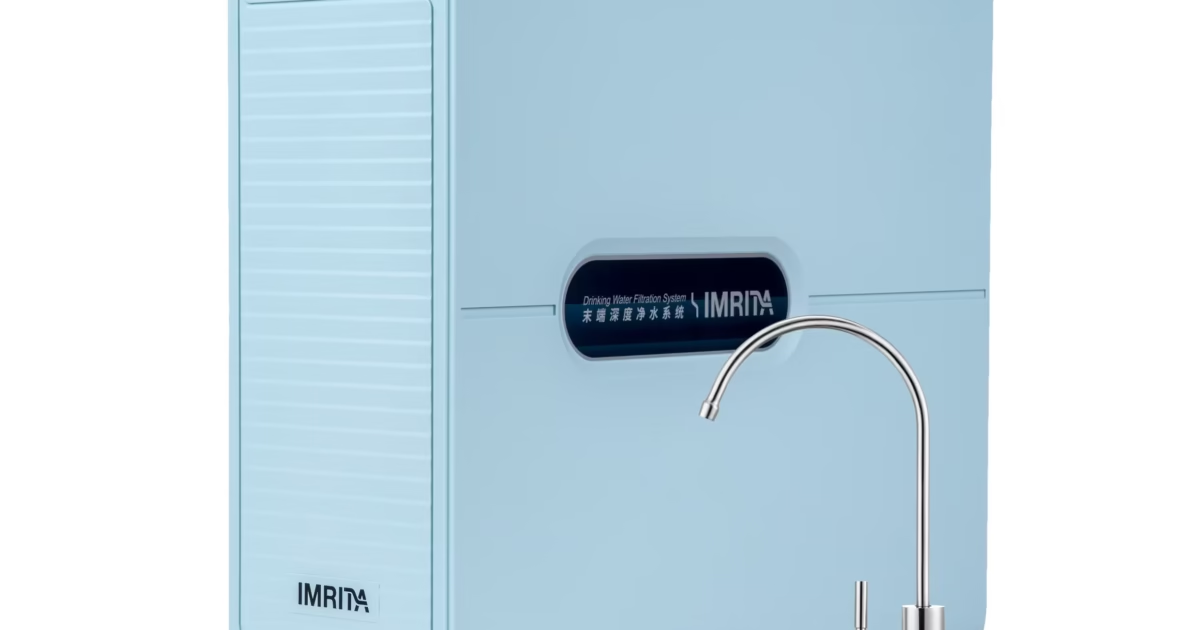
In contrast, direct-flow reverse osmosis filtration technology is designed to produce treated water as it is needed, often without a conventional storage tank. Many systems combine a membrane with additional filtration stages and a pump to support the required production rate.
For a busy household, this arrangement can be appealing. There’s no large storage tank occupying valuable cabinet space, and the system can fit more easily into some compact kitchen layouts. Families who regularly fill water bottles, prepare beverages, or cook with filtered water may appreciate having a dedicated supply available when required.
Still, direct-flow systems are not identical. Their output rates, filtration stages, operating pressure requirements, and water efficiency can vary considerably. A model advertised as high-capacity may perform differently depending on the incoming water temperature, pressure, and quality.
Before choosing one, look at its independently verified contaminant-reduction claims, daily production capacity, and recommended operating conditions. Those details tell you much more than marketing language alone.
The Practical Benefits of a Tankless Design
Kitchen storage is precious. Between cleaning products, cookware, spare sponges, and the occasional packet of something nobody remembers buying, the cabinet beneath the sink can fill up quickly. That’s one reason a tankless design attracts attention from homeowners who want filtered drinking water without sacrificing as much storage space.
By eliminating the conventional storage tank, some systems offer a more compact installation. The exact footprint depends on the unit, so it’s worth checking the dimensions before ordering. You’ll also need to account for plumbing connections, power requirements if the system uses an electric pump, and access for future filter changes.
Another potential benefit is that water is produced when needed rather than being held in a separate tank for later use. This can suit households that prefer an on-demand setup. However, a tankless system still has a maximum production rate, and the faucet flow may be limited by the system’s design.
Tankless doesn’t automatically mean better in every situation. A household that needs large quantities of water in a short period should compare the system’s real output with its likely demand. Someone who mainly fills a few drinking glasses each day may have different priorities from a family that cooks extensively and fills several large bottles throughout the day.
What Should an RO System Remove?
The right answer depends on the source water and the specific contaminants of concern. RO membranes can reduce many dissolved substances, but the effectiveness varies by substance and system certification. Some units also include sediment filters and activated carbon stages to protect the membrane and improve taste and odor.
Also read: Understanding Your Water: From Reliable Testing to the Right TreatmentSediment filtration helps capture particles that could interfere with downstream components. Activated carbon can reduce chlorine and certain compounds that affect taste or smell, depending on the filter design. The RO membrane then provides another treatment stage, targeting many dissolved substances.
It’s important not to rely on a generic claim that a system makes all water safe. If your household uses well water, for example, you may need testing for bacteria, nitrates, arsenic, or other locally relevant concerns. Some contaminants require treatment specifically designed for them, and an RO unit should only be relied upon where its performance has been established for the contaminant in question.
If your home receives municipal water, review the local water quality report and consider testing if you have concerns about plumbing or water quality at the tap. Treatment should address an identified need, not simply follow a trend.
Maintenance Is Part of the Purchase
A filtration system doesn’t remain effective forever without attention. Sediment and carbon filters usually need replacement at intervals specified by the manufacturer. RO membranes also have a service life that depends on water quality, system use, and maintenance.
Ignoring these requirements can reduce output, affect taste, and place extra strain on system components. Keep a record of installation and filter replacement dates, and pay attention if water production slows noticeably or the taste changes.
It’s also wise to check whether replacement filters are easy to obtain. A system with an attractive purchase price may become less convenient if its cartridges are expensive or difficult to source. Before buying, ask about annual maintenance costs, warranty coverage, and the availability of local service.
Water efficiency deserves consideration as well. RO systems generally send some water to drain during operation, and the amount varies by design and operating conditions. Compare published recovery or wastewater figures when available, especially if conserving water is a priority in your household.
Choosing the Right System for Your Kitchen
Start with the water itself. Identify any concerns about taste, hardness, dissolved substances, or specific contaminants, and use suitable testing where needed. Then compare systems according to their verified filtration performance, daily output, size, operating requirements, and maintenance schedule.
Think about how you’ll use the filtered water, too. If you regularly fill large bottles or prepare meals for several people, production capacity may be especially important. If your main concern is freeing up cabinet space, a compact tankless model could be worth comparing with conventional alternatives.
Ask suppliers for documentation supporting their performance claims. Look for certifications or independent test results relevant to the contaminants you want to reduce, and make sure installation follows the manufacturer’s requirements.
Cleaner Water Starts With an Informed Choice
A drinking-water filtration system should make everyday life easier, not leave you guessing about what it does. Reverse osmosis can be a useful option for households seeking to reduce certain dissolved contaminants, while direct-flow and tankless designs offer alternatives to traditional tank-based arrangements.
The best choice is the one that matches your water quality, household habits, available space, and maintenance budget. Take time to compare the details, keep up with filter replacements, and verify the claims that matter most to you.
After all, the point isn’t simply to install another appliance beneath the sink. It’s to feel more confident about the water you use every day, from the first glass in the morning to the last bottle filled before bed.