
Water is one of those household essentials that rarely gets much attention until something changes. Maybe the kettle starts collecting a chalky layer, the shower glass develops stubborn spots, or a glass of tap water has a taste you can’t quite ignore. These little frustrations can make you wonder whether something needs fixing. And with so many filters, softeners, and purification products on the market, figuring out where to begin can feel surprisingly complicated.
The good news is that better water doesn’t necessarily require an elaborate setup. It starts with understanding what is coming through your taps, identifying the concerns that matter to your household, and choosing a solution that addresses them without adding unnecessary expense.
Start With Facts, Not Guesswork
Water quality varies according to its source, local environment, plumbing, and existing treatment processes. Municipal supplies are generally treated before distribution, while private wells can be affected by nearby land use, rainfall, and natural minerals in the ground. Even neighbouring homes may experience different issues because their plumbing systems and water sources aren’t always identical.
Visible signs can provide useful clues. White deposits often point toward hard water, while reddish-brown stains may be associated with iron. An unusual smell or taste can have several causes, and clear water isn’t necessarily free of every unwanted substance. Appearance alone simply doesn’t tell the whole story.
That’s where water testing & analysis becomes useful. A suitable test can help identify hardness, pH, iron, dissolved solids, or particular contaminants, depending on the test selected. The results give homeowners a more reliable starting point than choosing equipment based on advertisements or a neighbour’s recommendation.
The type of test matters. A basic hardness test, for example, cannot establish whether water is free from bacteria, lead, or nitrates. If you’re concerned about health-related contaminants, consider an appropriate laboratory test and follow the sampling instructions carefully. For private wells, local health authorities can help explain which tests are recommended and how frequently they should be repeated.
What Do You Actually Want to Improve?
Before comparing products, think about the problem you’re trying to solve. Is the main concern unpleasant taste? Mineral scale on bathroom fixtures? Sediment in the water? Or have test results identified a particular substance that needs to be reduced?
These questions may sound simple, but they can prevent an expensive mistake. A sediment filter is designed to capture particles, not necessarily dissolved chemicals. Activated carbon can reduce certain tastes, odours, and compounds, depending on the product. A conventional water softener addresses hardness minerals, while disinfection systems serve a different purpose.
In other words, there isn’t one magic filter that handles every water concern. The most suitable approach depends on the test results, the water source, and how the household uses water each day.
It also helps to distinguish between treating water throughout the home and treating it at a single tap. If mineral deposits are affecting several bathrooms and appliances, whole-house treatment may be worth investigating. If the main concern is drinking water in the kitchen, a point-of-use system could be enough.
Choosing a System for Drinking Water
For many households, drinking and cooking water is the first priority. People want water that tastes pleasant and meets their needs without making daily routines more difficult. Depending on the results of testing, drinking water / reverse osmosis systems may be worth considering.
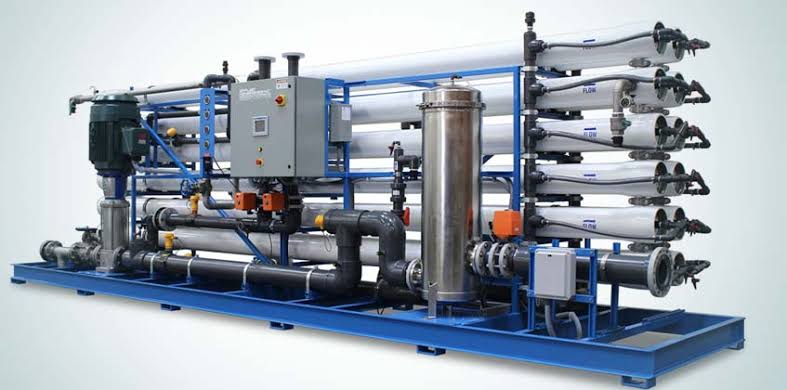
Reverse osmosis uses pressure to move water through a semipermeable membrane, reducing many dissolved substances. The actual performance varies by system and contaminant, so it’s important to check the product’s documentation and independent certifications rather than assume every model does the same job.
Many systems combine a membrane with prefilters and sometimes a final carbon filter. Under-sink units may include a storage tank, while tankless models are also available. Before choosing one, consider cabinet space, water pressure, expected output, drainage requirements, and the cost of replacing filters and membranes.
There are trade-offs, too. Conventional reverse osmosis systems send some water to the drain during production, and their components need regular maintenance. Some systems also remove minerals along with unwanted dissolved substances. That doesn’t automatically make reverse osmosis unsuitable, but it does mean the decision should be based on actual water conditions rather than the assumption that more filtration is always better.
If a simpler certified filter can address your concern, a more complex system may not provide enough additional benefit to justify its cost. Ask the supplier to explain what the recommended equipment is designed to reduce and how its performance is verified.
When Hard Water Is the Main Problem
Hard water is caused mainly by dissolved calcium and magnesium. These minerals can leave deposits on showerheads, faucets, glassware, and water-heating equipment. Some people also notice that soap lathers less easily or that laundry feels rough after washing.
A conventional ion-exchange softener can reduce hardness by exchanging calcium and magnesium ions for sodium or potassium ions. This may help control scale and make cleaning more convenient. However, softening isn’t the same as purification, and a softener should not be expected to remove every contaminant.
System sizing is important. A unit that’s too small may regenerate frequently, while an oversized one can increase the initial expense without a meaningful improvement. Water hardness, household demand, and maintenance preferences should all be considered before installation.
Some households may also have specific concerns about sodium in softened water. Discuss these with a qualified water-treatment professional and consider whether a separate drinking-water line makes sense for your situation.
Why Installation and Maintenance Matter
Even good equipment can disappoint if it’s installed incorrectly or neglected. Filters need replacement, softeners require routine attention, and reverse osmosis membranes have a limited service life. Some systems also need periodic sanitation or performance checks.
Before purchasing a unit, ask about installation requirements, replacement-part availability, servicing costs, and the expected maintenance schedule. Make sure the equipment is sized for the household’s water demand and installed according to the manufacturer’s instructions.
Keep a record of installation dates, filter changes, and test results. If the taste changes, water pressure drops, or stains return, these records can help you decide whether the system needs servicing or whether the water should be tested again.
Finding a Solution That Fits Your Home
The right treatment plan should address the problem without making household water unnecessarily complicated or expensive. Reliable residential water solutions begin with an understanding of the water source, the property’s needs, and the results of appropriate testing.
Compare systems based on their documented performance, operating costs, maintenance requirements, and suitability for your home. Be cautious of sweeping claims that one device removes everything or that a basic demonstration proves your water is unsafe. A trustworthy provider should explain both what a system can do and what it cannot.
Ultimately, improving water quality is less about buying the most advanced equipment and more about making a thoughtful choice. Start with good information, ask questions, and take the time to understand your options. With the right system and consistent maintenance, you can make everyday water use more convenient while feeling more confident about the choices you’ve made for your home.
