Category: General

  • Cornerstone Detention Center Doors Built for Safety

    Cornerstone Detention Center Doors Built for Safety

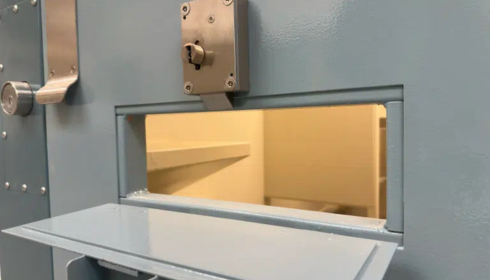
    Security infrastructure demands more than surface strength. Facilities such as modular jails and correctional complexes depend on doors engineered to withstand force, tampering, and constant use. Cornerstone detention center doors are built with layered design principles that focus on durability, resistance, and reliable performance under high stress conditions.

    12 to 14 Gauge Steel Shells with Internal Stiffeners

    Heavy-gauge steel forms the outer shell of high-security detention doors. Using 12 to 14 gauge steel increases resistance to impact, bending, and deformation. This thickness provides a solid barrier that holds its shape under sustained pressure.

    Inside the steel shell, internal stiffeners add structural reinforcement. These stiffeners prevent flexing when force is applied repeatedly. Facilities that rely on Cornerstone detention equipment contractors benefit from this design because it strengthens the door without adding unnecessary bulk. The combination of outer steel and internal support creates a balanced, rigid panel engineered for long-term use.

    Steel Channel Cores That Reinforce Every Door Panel

    A steel channel core runs through the center of many secure detention doors. This internal framework acts as a backbone, distributing force across the entire surface rather than concentrating it in one location. The result is improved resistance against bending and stress fractures. Beyond impact resistance, the channel core enhances alignment and stability. A Cornerstone security detention equipment contractor ensures that these cores are precisely fabricated and welded into place. This structure supports performance standards expected in modern modular jails and detention facilities.

    High Density Insulation for Added Sound Control

    Sound control is often overlooked in detention environments. High-density insulation placed within the door cavity helps reduce sound transmission between spaces. Lower noise levels contribute to improved operational control and communication clarity.

    This insulation also adds weight and internal density to the door. Added density increases resistance to vibration and repeated contact. By integrating insulation into the design, Cornerstone prison supply manufacturers address both structural integrity and acoustic performance in one solution.

    Attack Resistant Glazing Set into Secure Vision Frames

    Vision panels allow observation while maintaining security. Attack-resistant glazing is installed within reinforced steel frames that prevent removal or tampering. The glazing material resists impact and helps protect staff and occupants.

    Secure framing prevents tools from prying or loosening the glass insert. Cornerstone detention center doors incorporate these reinforced assemblies to ensure visibility does not compromise safety. Properly seated glazing panels maintain integrity under force.

    Stainless Steel Hinges Built for Constant Secure Use

    Hinges endure continuous opening and closing cycles. Stainless steel hinges resist corrosion and wear even in environments with heavy daily traffic. Their strength supports the weight of reinforced door panels without sagging.

    Durability in hinge construction reduces maintenance requirements. A Cornerstone security detention equipment contractor selects hinge assemblies that withstand pressure and prevent misalignment over time. Stable hinges ensure consistent door operation and secure closure.

    UL 752 Level 3 Rated Ballistic Protection Options

    Ballistic protection adds another layer of security in sensitive environments. UL 752 Level 3 rating indicates resistance to certain firearm threats. Integrating ballistic materials into the door assembly enhances protective capability without sacrificing function.

    Facilities requiring enhanced defense can incorporate this rating into custom configurations. Cornerstone prison supply manufacturers engineer ballistic options that align with facility safety standards. This level of protection reinforces critical areas within secure structures.

    Doors Tested to Withstand Extreme Static Loads

    Static load testing measures how much sustained force a door can tolerate without failing. High-quality detention doors undergo rigorous testing to confirm performance under pressure. Testing verifies that panels, frames, and welds hold under significant weight.

    Certification through load testing builds confidence in product reliability. Cornerstone detention equipment contractors rely on documented test results to meet institutional requirements. Verified load capacity supports long-term structural integrity.

    Recessed Hardware Designed to Limit Tie off Risks

    Hardware design plays a direct role in safety. Recessed handles, locks, and latches reduce opportunities for misuse. Smooth surfaces limit protrusions that could present risks within detention settings. Designers shape hardware to maintain secure functionality while reducing hazards. A Cornerstone security detention equipment contractor integrates these features seamlessly into door assemblies. This thoughtful approach enhances both security and occupant safety.

    Integrated Sensors That Report Door Status in Real Time

    Modern detention doors often include integrated monitoring technology. Embedded sensors track whether a door is open, closed, or locked. Real-time reporting improves facility oversight and response time.

    Connecting sensors to centralized systems enhances operational awareness. Cornerstone detention center doors can incorporate this technology as part of broader facility integration. Monitoring features strengthen security management within modular jails and correctional environments.

    Through advanced fabrication methods and rigorous engineering standards, Cornerstone Inc delivers detention door systems designed for strength, durability, and secure performance. Their experience as Cornerstone detention equipment contractors supports facilities requiring reinforced assemblies and integrated monitoring solutions. By providing dependable construction and specialized security features, Cornerstone Inc helps correctional environments maintain safety and operational control.
  • Factors Engineers Consider When Selecting a Mica Nozzle Heater

    Factors Engineers Consider When Selecting a Mica Nozzle Heater

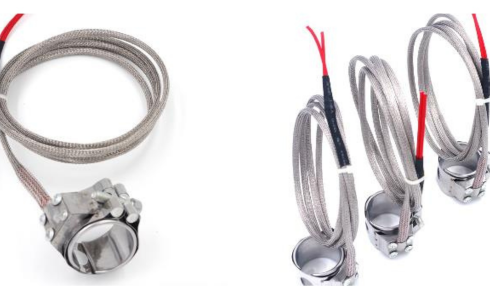
    Production efficiency often depends on how precisely heat is applied at critical points in a process. Small deviations in temperature or heater performance can lead to material defects, downtime, or uneven output. That is why engineers evaluate a wide set of technical factors before settling on a mica nozzle heater for demanding industrial applications.

    Required Watt Density Based on Nozzle Size and Heat Needs

    Watt density determines how much heat is delivered over a given surface area, making it one of the first calculations engineers perform. A nozzle with a small diameter but high heat demand requires careful balance to avoid overheating while still reaching operating temperature quickly. If watt density is too low, heat transfer becomes sluggish and inconsistent.

    Higher watt density can improve response time, but it also increases stress on the heater element. Engineers consider material flow rates, thermal conductivity of the nozzle, and cycle times to determine the optimal watt density for a mica nozzle heater. The goal is steady, uniform heat without creating hot spots that shorten service life.

    Maximum Operating Temperature of the Heater Material

    Every heater design has a temperature ceiling tied to its materials. Engineers must ensure the mica nozzle heater can operate safely above the required process temperature without degrading insulation or internal components. Running close to the maximum rating leaves little margin for error.

    Material selection plays a major role here. Mica insulation performs well at elevated temperatures, but surrounding components such as terminals and sheathing also matter. Engineers evaluate both continuous and peak temperature exposure to avoid premature failure during high-demand production cycles.

    Physical Dimensions to Ensure a Proper Nozzle Fit

    A precise fit ensures efficient heat transfer from the heater to the nozzle surface. Gaps, uneven contact, or incorrect inner diameter reduce performance and can cause localized overheating. Engineers verify inner diameter, width, thickness, and clamping style before finalizing a mica nozzle heater.

    Manufacturing tolerances are also considered. Even small variations in nozzle geometry can affect heater performance. Engineers often account for expansion during heating to maintain consistent contact as temperatures rise and fall throughout the process.

    Voltage and Power Specifications Matching System Design

    Electrical compatibility is non-negotiable. The heater’s voltage and power ratings must align with the system’s electrical supply and control architecture. Mismatched specifications can lead to inefficient operation or immediate failure. Engineers also consider how power is distributed across multiple heaters in a system. A mica nozzle heater must integrate smoothly without overloading circuits or requiring excessive modification. Stable power delivery ensures predictable heating behavior and simplifies long-term maintenance.

    Environmental Exposure to Moisture or Corrosive Conditions

    Operating environments influence heater longevity. Moisture, chemical vapors, or corrosive byproducts can penetrate poorly protected components and degrade insulation. Engineers evaluate ambient conditions before specifying protective features. For harsher environments, additional sealing or protective sheathing may be required. A mica nozzle heater selected for a clean indoor setting may not perform the same in humid or chemically active areas. Environmental assessment helps prevent unexpected downtime caused by external factors.

    Insulation Requirements to Maintain Safe Surface Heat Levels

    Surface temperature affects both safety and efficiency. Proper insulation ensures heat is directed toward the nozzle rather than dissipated outward. Engineers consider insulation thickness and material composition to control external surface temperatures. Excessive surface heat can pose safety risks and waste energy. By specifying the right insulation characteristics, engineers help maintain consistent heating while reducing energy loss. This balance improves both operator safety and system performance.

    Heater Durability Under Frequent Heat Cycling Demands

    Many industrial processes involve constant heating and cooling cycles. These cycles cause expansion and contraction that stress internal components. Engineers evaluate how well a mica nozzle heater tolerates repeated thermal cycling without cracking or delaminating.

    Durability assessments include startup frequency, shutdown intervals, and temperature ramp rates. A heater that performs well under steady conditions may fail quickly under aggressive cycling. Selecting a design built for repeated transitions reduces replacement frequency and maintenance costs.

    Compatibility with Process Controls and Temperature Sensors

    Modern systems rely on precise control. A mica nozzle heater must work seamlessly with thermocouples, RTDs, and control units to maintain accurate temperature regulation. Engineers verify sensor placement options and response characteristics during selection.

    Control compatibility also affects process consistency. Heaters that respond predictably to control signals allow tighter tolerances and improved product quality. Engineers prioritize designs that integrate smoothly with existing control infrastructure rather than requiring complex workarounds. Selecting the right heater involves more than matching dimensions or wattage. It requires understanding how materials, environment, electrical systems, and process demands interact over time. Thermal Corporation offers a broad range of industrial heating products built for accuracy, durability, and consistent performance across demanding applications.

  • The Importance of Pure Water Filtration in Daily Life

    The Importance of Pure Water Filtration in Daily Life

    Clean, purified water is essential for maintaining health, improving the quality of everyday activities, and supporting industries such as car washes and laboratories. As the world becomes more aware of water quality issues, the demand for pure water filtration systems continues to rise. These systems are designed to remove impurities, contaminants, and other unwanted elements, providing safe and clean water for a wide range of applications.

    From home usage to industrial settings, advanced water purification methods like RO/DI (Reverse Osmosis/Deionization) systems and portable water purification systems are playing an increasingly important role. Whether you’re looking for spot-free water solutions for car washes or high-purity water for scientific applications, the benefits of clean water cannot be understated.

    Understanding RO/DI Water Purification

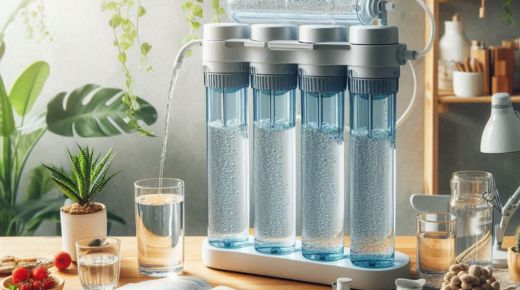
    RO/DI water purification is a two-step process that combines reverse osmosis (RO) and deionization (DI) to achieve ultra-pure water. Reverse osmosis works by forcing water through a semi-permeable membrane that removes ions, larger particles, and other contaminants. This process is highly effective at eliminating dissolved solids like salts and heavy metals, which are often present in tap water.

    After the water passes through the RO membrane, the deionization process removes any remaining ions, resulting in water that is almost completely free of impurities. RO/DI systems are ideal for applications that require exceptionally pure water, such as scientific laboratories, aquariums, and some industrial processes. The combination of reverse osmosis and deionization makes it one of the most effective water purification methods available today.

    The Advantages of Portable Water Purification Systems

    Access to clean water isn’t always guaranteed, especially in remote locations or during emergencies. This is where portable water purification systems come in. Designed to be lightweight, compact, and highly efficient, these systems allow users to purify water on the go. Whether you’re hiking in the wilderness, traveling to a region with poor water quality, or dealing with a natural disaster, portable water purification systems offer a reliable solution for ensuring safe drinking water.

    Portable purification units use various filtration technologies, including RO membranes, activated carbon, and UV sterilization, to remove harmful pathogens, chemicals, and other contaminants from the water. These systems are essential not only for personal safety but also for protecting against waterborne diseases that can arise from consuming contaminated water.

    One of the most common applications of portable water purification systems is in the outdoor and adventure community. Campers, hikers, and adventurers use these systems to filter water from natural sources like rivers, lakes, and streams, ensuring they have access to clean water wherever they go. As technology advances, these portable units have become more efficient and user-friendly, making them an indispensable tool for anyone venturing into areas with limited access to clean water.

    Spot-Free Water Systems for Car Washes

    For car wash businesses and auto enthusiasts alike, achieving a spot-free finish after washing a vehicle is a top priority. Traditional washing methods often leave behind water spots caused by dissolved minerals, which can mar the appearance of a freshly cleaned car. To combat this, many car washes now use spot-free water systems that remove minerals and other impurities from the water, ensuring a flawless finish every time.

    Spot-free water systems rely on filtration methods such as reverse osmosis and deionization to eliminate minerals like calcium and magnesium that cause water spots. These systems are highly effective in reducing the need for additional drying steps and minimizing the risk of water spots, which can damage a car’s paint and lead to corrosion over time.

    The use of spot-free water systems not only improves the quality of a car wash but also enhances customer satisfaction. Car owners are more likely to return to a business that provides a superior washing experience, free from the unsightly spots and streaks that often occur with untreated water. Moreover, these systems can help car washes save time and money by reducing the need for manual drying and touch-up services.

    Car Wash RO Membrane: Key to Superior Water Quality

    A crucial component of many water purification systems, particularly in car washes, is the reverse osmosis (RO) membrane. The Car Wash RO Membrane plays a vital role in delivering spot-free water by filtering out dissolved minerals, salts, and other contaminants. In car wash applications, RO membranes are designed to handle large volumes of water while maintaining high levels of filtration efficiency.

    The process works by applying pressure to the water, forcing it through the semi-permeable RO membrane. This membrane allows only pure water molecules to pass through, while rejecting contaminants that could leave deposits on a car’s surface. Over time, regular maintenance of the RO membrane is crucial for ensuring optimal performance, as the membrane can become clogged with debris or scale build-up.

    Car wash businesses that invest in high-quality RO membranes see improved operational efficiency and cost savings. By delivering spot-free water consistently, these membranes reduce the need for post-wash treatments and re-washes, saving both time and resources. In addition, using an RO system helps extend the life of the washing equipment by minimizing the build-up of scale and mineral deposits.

    The Future of Water Filtration Systems

    As water quality becomes an increasing concern worldwide, the technologies used in pure water filtration systems will continue to evolve. Innovations in RO/DI systems, portable purification units, and spot-free water solutions are already making a significant impact in both residential and industrial settings.

    The future of water filtration will likely see advancements in energy efficiency, the development of more sustainable materials, and the creation of even more compact and versatile portable systems. These innovations will not only provide clean water for personal and industrial use but also help address global challenges such as water scarcity and contamination.

    With the growing awareness of water’s critical role in health, hygiene, and various industries, the importance of investing in reliable water filtration systems cannot be overstated. Whether for personal use, car washes, or industrial applications, pure water is essential for ensuring high-quality results, improving operational efficiency, and safeguarding health.

    In conclusion, advancements in pure water filtration, including RO/DI water purification, portable water purification systems, and spot-free water systems, are providing new solutions for ensuring clean, high-quality water. From car washes to drinking water purification, these technologies are helping to solve some of the most pressing water quality issues today.