
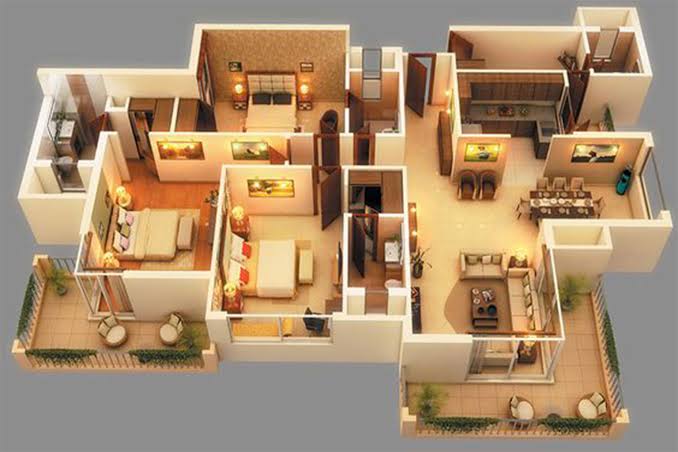
Have you ever rearranged the furniture in a room and suddenly felt as though you’d gained extra space? Nothing about the actual dimensions changed, yet the room became more comfortable, brighter, and easier to move through.
That’s the beauty of thoughtful interior design. Sometimes, the most meaningful improvements come from reconsidering how existing spaces are used rather than investing in expensive renovations.
Creating a personalized interior involves understanding architectural features, everyday habits, and the atmosphere homeowners want to experience. It takes creativity, certainly, but also a considerable amount of practical thinking.
From initial conversations to furniture placement and finishing details, each design decision should contribute to a home that feels comfortable, purposeful, and genuinely personal.
Understanding How a Personalized Interior Design Project Begins
Every homeowner approaches interior design with different expectations. Some have a collection of inspiration photographs ready to share, while others struggle to explain exactly what feels wrong about their existing surroundings.
The custom interior design project process typically begins with an initial consultation, followed by property assessments, concept development, material selections, and implementation.
During those early conversations, designers often discover useful details about a household’s daily routines.
Perhaps the family enjoys cooking together but finds its kitchen layout frustrating. Maybe the living room feels too formal for relaxed evenings, or the bedroom lacks sufficient storage.
Understanding these concerns helps establish meaningful design objectives.
Budget expectations and project timelines also deserve attention early on. Being realistic about available resources allows homeowners to make informed decisions without losing sight of their preferred aesthetic.
The creative direction becomes much clearer once everyone understands what the project needs to accomplish.
Making Every Room Feel More Comfortable and Functional
A spacious room doesn’t automatically guarantee a comfortable interior. Sometimes, large rooms feel strangely awkward because furniture arrangements haven’t been carefully considered.
Effective space planning focuses on movement, furniture proportions, accessibility, storage, and the relationship between different areas within a home.
Imagine a living room where a large sectional sofa blocks the natural pathway between the entrance and garden. Although the sofa itself might be beautiful, its positioning creates an everyday inconvenience.
Reconsidering the furniture arrangement could solve the problem without changing the room’s architecture.
Smaller properties benefit from thoughtful layouts as well. Built-in storage, compact furniture, and multifunctional pieces can help homeowners use available space more efficiently.
It’s also worth considering how people naturally gather. Seating arrangements should encourage conversation rather than leave everyone sitting at uncomfortable distances.
Sometimes, removing an unnecessary piece of furniture makes a more noticeable difference than introducing something new.
Turning Measurements and Ideas Into a Practical Layout
Before purchasing furniture or committing to structural changes, designers need an accurate understanding of the property.
The interior space planning process involves measuring rooms, identifying architectural limitations, assessing circulation patterns, and developing layouts that accommodate the homeowner’s functional requirements.
Window positions, door openings, electrical outlets, and existing architectural features can all influence design decisions.
Consider a bedroom where the homeowner wants a larger bed and additional wardrobe storage. On paper, everything might appear to fit. However, once drawer openings and walking distances are considered, the arrangement could become impractical.
Creating detailed floor plans helps identify these issues before expensive purchases are made.
Designers may explore several layout options before recommending an arrangement that balances comfort and appearance.
This stage requires patience. It’s much easier to adjust furniture dimensions on a drawing than return a custom-made sofa that doesn’t fit properly.
Developing a Design Concept That Reflects Your Personality
Once the layout is established, the creative possibilities become particularly exciting.
Colors, materials, furniture styles, and lighting arrangements gradually develop into a cohesive design concept.
Perhaps you’re drawn to earthy tones, natural wood, and relaxed fabrics. Alternatively, you might prefer dramatic colors, contemporary furniture, and distinctive architectural finishes.
There’s no need to follow a particular decorating style too strictly.
Some of the most interesting interiors combine traditional craftsmanship with contemporary elements. An inherited wooden cabinet might sit beautifully beside modern seating, creating a contrast that feels authentic rather than carefully manufactured.
Personal belongings can also inspire the overall design.
A favorite painting, a collection of ceramics, or even a treasured rug might provide the starting point for an entire room’s color palette.
Choosing Materials With Everyday Living in Mind
Beautiful finishes deserve attention, but their practical qualities matter just as much.
A delicate upholstery fabric may look wonderful in a quiet sitting room but prove frustrating in a busy family environment. Similarly, certain natural stone surfaces require more maintenance than homeowners initially expect.
Consider how frequently each room will be used and which materials suit those activities.
Durable flooring, comfortable textiles, and easy-to-maintain surfaces can make daily life considerably more relaxed.
Requesting samples is always worthwhile. Colors and textures often appear different under natural daylight than they do beneath showroom lighting.
Seeing materials together within your own home provides a better understanding of how the finished interior might feel.
Coordinating the Final Stages of Interior Design
Bringing a design concept to life requires organization. Furniture orders, contractor schedules, lighting arrangements, and decorative finishes need careful coordination.
Once furnishings arrive, small adjustments may become necessary. A lamp might work better beside a different chair, or an artwork arrangement may need slightly more breathing room.
These finishing details help transform a carefully planned layout into a comfortable, inviting interior.
Creating a Home That Makes Everyday Life Better
The real success of an interior design project becomes apparent after the work is finished.
It’s found in easier morning routines, comfortable family gatherings, peaceful evenings, and those little moments when you realize how naturally everything functions.
Thoughtful design doesn’t demand perfection. It creates room for personality, changing routines, and the unexpected pleasures of everyday living.
Ultimately, a well-designed home should do more than look beautiful. It should feel like somewhere you belong, offering comfort and familiarity in a way that no showroom could ever reproduce.
