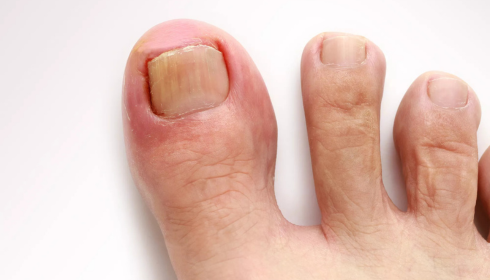
A small corner of a toenail can cause surprising discomfort once it starts pressing into skin. What looks like a minor trimming issue often becomes a painful condition that affects walking and daily routines. That is why professional ingrown toenail removal is often safer and more effective than attempting a home fix.
Cutting Too Deep Can Cause Pain That Lasts for Days
Trying to dig out the edge of a nail at home often leads to cutting too far into sensitive tissue. The skin around the nail bed contains many nerve endings, and even a small mistake can trigger sharp pain. People attempting ingrown toenail removal near me without training may believe they are relieving pressure, but they often worsen inflammation instead.
Pain does not always stop after the cut. Deep trimming can expose raw tissue that throbs for days, especially when shoes press against the area. An experienced ingrown toenail doctor understands exactly how much of the nail to remove while protecting surrounding skin.
Home Tools May Not Be Clean Enough for Skin Care
Household clippers, scissors, and tweezers are rarely sterilized to medical standards. Even tools that look clean may carry bacteria. Introducing those germs into broken skin raises the risk of infection during attempted ingrown toenail removal. Professional settings use properly sanitized instruments designed for skin procedures. An ingrown toenail removal doctor reduces the chance of contamination by following strict hygiene protocols. Clean tools and controlled technique make a significant difference in recovery.
Wrong Cuts Can Make the Nail Grow Back Worse
Improper trimming can change how a nail grows. Cutting into the side of the nail without addressing the root may cause it to curve inward again. This often leads to repeat pain and swelling.
Recurring problems frequently occur after at-home attempts. A Huntsville ingrown toenail doctor evaluates whether part of the nail matrix needs treatment to prevent regrowth. Correcting the growth pattern at the source lowers the chance of future flare-ups.
Small Wounds Can Turn into Slow Healing Sores
Feet endure constant pressure from walking and standing. Even a small cut near the nail bed can struggle to heal if exposed to friction. Moisture from socks and shoes further complicates recovery. Healing delays often occur without proper wound care guidance. An ingrown toenail removal Huntsville AL specialist provides instructions and follow-up support to help the skin close properly. Professional care reduces the chance of small wounds turning into larger sores.
Swelling Can Get Worse Without Proper Care
Inflammation signals that the body is responding to irritation. Without appropriate treatment, swelling can increase rather than decrease. Tight footwear and continued pressure make the condition worse.
Swelling sometimes hides the actual nail edge embedded under the skin. An ingrown toenail doctor carefully relieves pressure while managing inflammation. Addressing both the nail and surrounding tissue promotes quicker comfort.
Pain Can Spread and Make Walking Hard
Discomfort from an ingrown toenail often radiates beyond the toe. People may shift weight to avoid pressure, causing strain in the foot or ankle. What began as minor irritation can interfere with daily movement.
Persistent pain sometimes signals deeper involvement. Seeking ingrown toenail removal near me ensures that the condition is evaluated before mobility is affected long term. Proper treatment allows patients to walk normally again without compensating for pain.
It Is Easy to Miss the Part Stuck Under Skin
The visible edge of the nail is not always the problem. Sometimes a thin sliver remains hidden beneath swollen tissue. Attempting removal without clear visibility can leave the embedded piece untouched.
Missing that hidden portion prolongs irritation. A Huntsville ingrown toenail doctor uses appropriate lighting and instruments to identify the exact section causing trouble. Complete removal prevents repeated inflammation.
Blood Flow Issues Can Slow the Healing Process
Certain individuals have reduced circulation in their feet. Poor blood flow can slow healing and increase the risk of complications. Even minor injuries require careful monitoring in these cases.
Medical professionals assess circulation before proceeding. An ingrown toenail removal doctor considers underlying conditions that might affect recovery. Tailoring treatment to overall health helps protect long-term foot function.
Infection Risk Goes up Without Safe Treatment
Bacteria thrive in warm, moist environments like shoes. Open skin around an ingrown toenail provides an easy entry point. Without sterile technique and proper aftercare, infection risk increases significantly.
Redness, warmth, or discharge may follow an unsuccessful home attempt. Professional ingrown toenail removal Huntsville AL reduces infection risk by combining precise technique with safe post-procedure care. Early intervention prevents complications that could require more extensive treatment.
The Foot Clinic provides professional evaluation and ingrown toenail removal tailored to each patient’s needs. Their team includes experienced ingrown toenail doctors who focus on safe, effective treatment in a controlled environment. For those seeking relief without risking complications, they offer trusted care designed to protect both comfort and long-term foot health.
In the ever-evolving world of regenerative medicine, one treatment stands out for its remarkable ability to rejuvenate, repair, and restore skin and tissue from within—Polynucleotide Treatment in London. At Dr SNA Clinic, we proudly offer this cutting-edge solution to patients seeking natural, non-surgical enhancement in skin quality, tissue repair, and overall wellness.
But our expertise doesn’t end there. We also specialize in Knee Pain Treatment London, Stem Cell Treatment in London, and P Shot therapy, offering a complete range of regenerative solutions under one trusted roof.
What is Polynucleotide Treatment?
Polynucleotide Treatment is a bio-revitalization technique that uses purified DNA fragments (usually derived from salmon) to stimulate tissue repair and collagen production. Once injected, these polynucleotides activate fibroblasts, increase hydration, and promote cell renewal—making it one of the most innovative treatments for natural skin rejuvenation.
At Dr SNA Clinic, our Polynucleotide Treatment in London is used for:
Reviving dull and tired skin
Treating fine lines, wrinkles, and under-eye hollows
Reducing acne scars and pigmentation
Improving skin elasticity and hydration
How Does It Compare with Other Regenerative Options?
While Polynucleotide Treatment is excellent for facial rejuvenation and healing damaged skin, other treatments like Stem Cell Treatment in London offer powerful repair for deeper tissue and joint regeneration. For example, patients suffering from osteoarthritis or cartilage wear often benefit more from stem cell therapy for long-term relief and mobility.
At the same time, our highly effective Knee Pain Treatment London plan often combines PRP, physiotherapy, and in some cases, polynucleotides to reduce inflammation and stimulate tissue recovery without surgery.
The Science Behind Polynucleotides
Polynucleotides are fragments of DNA that serve as messengers for healing. They:
Encourage microcirculation
Activate cellular regeneration
Reduce oxidative stress
Promote collagen and elastin synthesis
That’s why Polynucleotide Treatment in London is growing in popularity—not only for cosmetic enhancements but also as a supportive therapy for recovery from injuries, scars, and even surgical wounds.
Integrating Polynucleotide Therapy with Other Regenerative Treatments
One of the advantages of being treated at Dr SNA Clinic is access to integrative protocols. Many of our patients combine Polynucleotide Treatment with:
Stem Cell Treatment in London for deeper tissue healing
Knee Pain Treatment London to treat cartilage degeneration or ligament issues
P Shot (Priapus Shot) for male performance and tissue regeneration
These combinations allow for synergistic healing, delivering both aesthetic and functional benefits.
Why Choose Dr SNA Clinic?
At Dr SNA Clinic, we take a patient-first approach with all regenerative treatments. Our team of experts is trained in the latest global protocols and uses only the most advanced technology to ensure precision and safety.
What makes us unique:
Personalized treatment plans tailored to your skin, joints, or wellness goals
Expertise in combining Polynucleotide Treatment with PRP, stem cells, and other biologics
Discreet, professional care in a clinic trusted by patients across London
Transparent consultation with a focus on long-term results, not just quick fixes
Ready to Rejuvenate Naturally?
Whether you’re interested in Polynucleotide Treatment in London for skin regeneration, or seeking relief through Knee Pain Treatment London, Stem Cell Treatment in London, or the P Shot, Dr SNA Clinic offers comprehensive, science-backed solutions designed around you.
Contact us today to schedule a consultation and discover how regenerative medicine can help you look, feel, and perform at your best—naturally.
Can ashwagandha, a natural herb, boost your immunity and help you get through busy days? As a busy professional, you know how hard it is to keep your health up. Work and daily life can make it tough to keep your immune system strong. But what if there’s a natural way to support your immunity and health?
Ashwagandha, an ancient Indian herb, is popular among athletes for its benefits. It can improve endurance, strength, and recovery. But can it help busy professionals like you too?
Key Takeaways
Ashwagandha can help boost immunity and reduce stress and cortisol levels
It can enhance endurance, strength, and recovery, making it a great supplement for athletes and busy professionals
A daily intake of 600 to 1,000 mg of ashwagandha may offer more advantages for athletes and individuals with intense exercise routines
Ashwagandha’s immune-boosting properties can help protect against illnesses caused by regular, intense exercise
It can be consumed in various forms, including powder, capsules, and tea, making it easy to incorporate into your daily routine
Ashwagandha is considered a natural and safe way to support immunity and overall health, with few side effects reported
Understanding Ashwagandha: An Ancient Remedy for Modern Times
Ashwagandha is an ancient remedy used for over 3000 years. It’s found in African, Ayurvedic, Unani, and indigenous medicine. Today, science backs its health benefits, like boosting immunity.
As a busy person, you need to stay healthy and productive. Ashwagandha offers a natural way to boost your immune system. It’s a great choice for home remedies for immunity improvement.
The Historical Significance of Ashwagandha
Ashwagandha has been used in Indian medicine for strength, energy, and balance. It’s known as a rasayana, or rejuvenative herb, in Ayurveda.
Modern Scientific Validation
Studies have shown ashwagandha’s health benefits. It lowers C-reactive protein and total cholesterol. It also improves sleep and reduces stress and anxiety.
Why Busy Professionals Need Immune Support
Busy people need immune support to stay healthy and productive. Ashwagandha boosts immunity and reduces stress. It’s a natural and effective choice for your daily routine.
The Science Behind Ashwagandha for Immunity
Ashwagandha is known for boosting immunity and well-being. Its immune-boosting effects come from its impact on the HPA axis. This axis controls our stress response and cortisol release.
When stressed, our immune system weakens, making us sick easier. Studies show ashwagandha lowers cortisol, helping our immune system. For example, a study by Chandrasekhar et al. (2012) found ashwagandha lowers stress and cortisol in stressed adults.
This makes ashwagandha a great home remedy for improving immunity. It’s perfect for those with busy lives.
Some key benefits of ashwagandha for immunity include:
Reduced cortisol levels
Improved HPA axis function
Enhanced immune response
Potential to reduce chronic inflammation
Adding ashwagandha to your daily routine supports your immune system. Its natural stress relief and immunity boost make it a great addition to home remedies for improving immunity. Knowing the science behind ashwagandha helps you use it wisely for better health.
Key Immune-Boosting Compounds in Ashwagandha
Ashwagandha is known for its many bioactive compounds. These include alkaloids, flavonoids, glycosides, steroids, and steroidal lactones. Withanolides, in particular, have been studied for their health benefits.
Withanolides, antioxidants, and anti-inflammatory agents are key in ashwagandha. Antioxidants protect our cells from free radicals. Anti-inflammatory agents help reduce inflammation and aid in healing. These compounds help ashwagandha support our immune system against harmful invaders.
Some of the notable benefits of these compounds include:
Enhancing the production of antibodies, which are essential for the immune system’s defense mechanisms.
Boosting nitric oxide production, which activates the immune system’s macrophage actions to enhance the ingestion of invader cells.
Aiding in the management of inflammation by reducing C-reactive protein levels and improving the action of natural killer cells, which are crucial for host rejection of tumors and viral-infected cells.
The unique mix of withanolides, antioxidants, and anti-inflammatory effects in ashwagandha is valuable. It supports immune function and overall health.
How Stress Affects Your Immune System
When you’re under stress, your body goes into “fight or flight” mode. This releases stress hormones like cortisol. These hormones can weaken your immune system, making it harder to fight off infections.
Chronic stress can make your immune system weak. This makes you more likely to get sick.
Using ashwagandha can help. This herb has been used for over 3,000 years in Ayurveda. It helps your immune system by lowering cortisol and promoting relaxation.
Other home remedies for immunity improvement include getting enough sleep and exercising regularly. Eating a balanced diet also helps. Combining these with ashwagandha can support your immune system and reduce stress effects.
Some benefits of using ashwagandha include:
Reduced cortisol levels
Promoted relaxation and stress relief
Enhanced immune function
Increased energy and vitality
Ashwagandha for Immunity: Research-Backed Benefits
Ashwagandha boosts your immunity in big ways. It’s backed by research and is great for your daily routine. Adding ashwagandha to your diet can make your immune system stronger. It also helps reduce stress and anxiety, leading to better overall health.
Here are some key benefits of ashwagandha for your immunity:
It increases white blood cells, which fight infections.
It helps reduce stress, which is good for your immune system.
It improves sleep, which is key for a strong immune system.
Ashwagandha is a natural way to boost your immunity. It’s backed by science. Its adaptogenic properties help your body handle stress better. This leads to a healthier immune response and overall well-being.
Ashwagandha also has anti-inflammatory effects. This can help reduce inflammation and improve your health. Adding ashwagandha to your daily routine can bring you the research-backed benefits. It supports your immune system in a healthy and lasting way.
Benefit
Description
Immune System Support
Ashwagandha increases the production of white blood cells, which are vital for fighting off infections
Stress Reduction
Ashwagandha reduces stress and anxiety, promoting a healthy immune response
Sleep Quality
Ashwagandha improves sleep quality, which is essential for immune system function
Incorporating Ashwagandha Into Your Busy Schedule
Ashwagandha is great for your immune system. It’s easy to add it to your daily routine, even with a busy schedule. You can take it as capsules, tea, or powdered herbs.
Here are some ways to add ashwagandha to your day:
Taking ashwagandha capsules with your morning coffee or tea
Adding ashwagandha powder to your favorite smoothie or juice
Drinking ashwagandha tea before bed to promote relaxation
When looking at home remedies for immunity improvement, think about mixing ashwagandha with other natural items. Ashwagandha helps your body handle stress better. This makes your immune system stronger and improves your overall health.
Adding ashwagandha to your daily routine can help you feel better. It can reduce stress and anxiety. It also improves sleep and boosts energy. If you want to boost your immune system or feel more balanced, try ashwagandha.
Best Forms and Dosage for Optimal Results
Choosing the right form and dosage of ashwagandha is key. You can find it in powder, capsules, and tinctures. Each has its own benefits. The best one for you depends on what you like and need.
A typical daily dose of ashwagandha is about 600 mg, taken twice a day. Some like it in the morning for energy. Others take it at night for better sleep. Timing is important for the best results.
Forms of Ashwagandha
Powder: often used in smoothies or as a supplement
Capsules: convenient and easy to swallow
Tinctures: can be added to food or drinks
Always talk to a healthcare professional before starting ashwagandha. They can help you choose the right form and dosage. This way, you can get the most out of ashwagandha and feel better overall.
Combining Ashwagandha with Other Immunity Boosters
Ashwagandha works well with other immunity boosters. Mixing it with ginger can lower inflammation and boost the immune system. Herbs like echinacea and elderberry also pair well with ashwagandha for a strong immune-boosting mix.
For a tasty and healthy drink, try ashwagandha with honey and lemon. It’s a soothing and immune-boosting choice. You can also mix ashwagandha with vitamin C and zinc for a full immune support plan.
Here are some ways to mix ashwagandha with other immunity boosters:
Drink ashwagandha with ginger and honey to fight inflammation and boost immunity
Make a strong immune-boosting mix by combining ashwagandha with echinacea and elderberry
Take ashwagandha with vitamin C and zinc for a complete immune support plan
Adding ashwagandha to your daily routine can boost your immune system. Just remember to talk to a healthcare expert before trying new supplements.
Herb
Benefits
Ashwagandha
Reduces stress and anxiety, promotes immune function
Ginger
Reduces inflammation, promotes digestive health
Echinacea
Boosts immune system, reduces risk of illness
Potential Side Effects and Precautions
Before adding ashwagandha to boost your immunity, know the possible side effects and precautions. Ashwagandha is usually safe, but some people should be careful or avoid it. Pregnant or breastfeeding women should not take it because it might affect the baby.
Some common side effects include nausea and diarrhea. It can also interact with certain medicines, like those for thyroid, diabetes, or high blood pressure. Always talk to a doctor before starting ashwagandha if you have health issues or take medicines.
Some people might feel dizziness or headaches as rare side effects. If you get these, stop using ashwagandha and see a doctor. To avoid side effects, start with a small dose and slowly increase it.
Consult with a healthcare professional before taking ashwagandha if you have health issues or take medicines.
Start with a low dose and gradually increase as needed.
Monitor your body’s response to ashwagandha and adjust your dosage if needed.
Knowing the side effects and precautions helps you use ashwagandha safely. It can help boost your immunity. Always put your health first and talk to a doctor if you have any worries.
Tips for Choosing Quality Ashwagandha Products
When picking quality products with ashwagandha, think about a few things. As you look into home remedies for immunity improvement, find a product that’s safe and works well. It should also have good ingredients.
To get the best ashwagandha product, check for third-party certifications like NSF International or ConsumerLab.com. Also, choose products with organic, non-GMO ingredients. Always talk to a healthcare provider or dietitian before using ashwagandha.
Here are some important things to think about when picking a good ashwagandha product:
Look for products with a lot of withanolides, the key part of ashwagandha.
Go for products made from root-only extracts, as it’s the traditional and best way.
Consider products that have been certified by trusted third-party groups.
By keeping these tips in mind, you’ll find a top-notch ashwagandha product. It will help boost your immune system and health. Always check with a healthcare expert before starting any new supplement.
Conclusion: Making Ashwagandha Your Immune System Ally
Ashwagandha for immunity is a strong natural remedy. It boosts your immune system and improves health. Adding ashwagandha to your daily routine helps reduce stress and improve sleep.
It also makes your immune function better. Ashwagandha is great for boosting immunity. It’s a perfect addition to your daily routine.
Ashwagandha helps your body fight off threats. It also reduces chronic inflammation. Its anti-inflammatory and antioxidant properties protect your immune cells.
By using ashwagandha daily, you keep your immune system strong. This helps you stay healthy and full of energy.
Adding ashwagandha to your routine is a smart choice. It’s natural and has many health benefits. It’s perfect for busy people who want to stay healthy.
So, try ashwagandha today. It will be your ally in keeping your immune system strong.
FAQ
What is ashwagandha, and how can it help with immunity improvement?
Ashwagandha is a powerful herb used for centuries in Indian medicine. It boosts strength, energy, and balance in the body and mind. It helps improve immunity by lowering cortisol levels and boosting white blood cells.
How does ashwagandha affect the immune system?
Ashwagandha boosts the immune system by lowering cortisol levels. It has compounds like withanolides and antioxidants. These protect the body from infections and diseases.
What are the benefits of taking ashwagandha for immunity?
Taking ashwagandha boosts white blood cells and reduces stress and anxiety. It also improves sleep and overall immune function. It can reduce inflammation and aid in healing.
How can I incorporate ashwagandha into my daily routine?
You can take ashwagandha as capsules, tea, or powdered herbs. The daily dose is 600 mg, split into two doses. Take it in the morning for energy or before bed for sleep.
Can I combine ashwagandha with other immunity boosters?
Yes, you can mix ashwagandha with immunity boosters like ginger and echinacea. But, talk to a healthcare provider before mixing it with other supplements.
Are there any potential side effects or precautions I should be aware of when taking ashwagandha?
Yes, there are side effects and precautions. Pregnant or breastfeeding women should avoid it. Common side effects include nausea and diarrhea. It can also interact with some medications.
How can I choose a high-quality ashwagandha product?
Look for third-party certification like NSF International. Choose organic, non-GMO ingredients. Always consult a healthcare provider to ensure it’s safe and effective for you.
Can ashwagandha be used as a home remedy for immunity improvement?
Yes, ashwagandha is a natural way to boost immunity. It’s easy to add to your daily routine. But, talk to a healthcare provider before using it, if you have health conditions.
What are some other home remedies for improving immunity?
Other home remedies include getting enough sleep and exercising. Eating a balanced diet and managing stress also help. Natural remedies like vitamin C and probiotics can also boost immunity.
For a variety of content focused on natural and herbal remedies for various healthcare concerns, please visit: Pure Remedy Solutions
Tags: ashwagandha for immunity, home remedies for immunity improvement, Pure Remedy Solutions, home remedies for improving immunity
Spondylitis, a chronic inflammatory condition affecting the spine, can cause pain, stiffness, and reduced mobility. While it often develops gradually, effective spondylitis treatment is essential to manage symptoms and prevent further complications. Non-surgical treatments offer a safe and effective approach to alleviate discomfort and improve quality of life.
Understanding Spondylitis: Causes and Symptoms
Spondylitis primarily affects the vertebrae and joints of the spine. Common causes and risk factors include:
Genetic Predisposition: A family history of spondylitis.
Autoimmune Disorders: Conditions where the immune system attacks healthy tissues.
Infections: Rare cases linked to spinal infections.
Symptoms of spondylitis may include:
Persistent back pain and stiffness.
Reduced flexibility in the spine.
Pain that improves with activity but worsens with rest.
Fatigue and general discomfort.
Why Choose Non-Surgical Treatments for Spondylitis?
Non-surgical spondylitis treatments are designed to reduce inflammation, alleviate pain, and restore mobility without the risks and recovery time associated with surgery. Benefits include:
Safe and Minimally Invasive: No surgical risks or complications.
Holistic Care: Focus on long-term spinal health.
Quick Recovery: Minimal downtime, allowing you to resume daily activities sooner.
Effective Non-Surgical Treatments for Spondylitis
Physical Therapy: Customised exercises to improve flexibility and strengthen supporting muscles.
Massage Therapy: Reduces muscle tension and promotes blood flow to affected areas.
Chiropractic Care: Aligns the spine to alleviate pressure on joints and nerves.
Spinal Decompression Treatment: Gently relieves pressure on spinal discs and nerves.
Postural Training: Corrects posture to reduce strain on the spine.
Heat and Cold Therapy: Eases inflammation and relaxes stiff muscles.
Personalised Care at ANSSI Wellness
At ANSSI Wellness, we specialise in non-surgical treatments tailored to each patient’s unique needs. Our approach combines advanced techniques and personalised care to ensure optimal outcomes for managing spondylitis.
Comprehensive Assessments: Thorough evaluations to identify the root cause of your symptoms.
Customised Treatment Plans: Tailored solutions for effective and lasting relief.
Expert Guidance: Experienced professionals dedicated to your recovery.
Take Control of Your Spinal Health
Don’t let spondylitis limit your life. With the right spondylitis treatment, you can manage your symptoms and improve your quality of life. Contact ANSSI Wellness today to learn more about our non-surgical spondylitis treatment options and take the first step towards a healthier, pain-free future.
In the field of radiology, precision and efficiency are essential for delivering accurate diagnoses and improved patient outcomes. Agfa Radiology Solutions India leads the way with its innovative technologies, including MUSICA software, imaging film, and advanced X ray film. These solutions empower healthcare providers by offering enhanced image quality, streamlined workflows, and reliability in diagnostic imaging.
MUSICA Software: Redefining Image Processing
MUSICA software is Agfa’s cutting-edge image processing solution, designed to deliver consistently sharp and clear images. The software automatically analyses each raw image and optimises parameters such as contrast, sharpness, and brightness, ensuring exceptional image quality across a wide range of applications. Whether capturing images of bone structures or soft tissues, MUSICA balances the details to highlight diagnostically significant features.
A standout feature of MUSICA is its ability to reduce radiation exposure without compromising image clarity. This is particularly important for vulnerable patients, such as children or those requiring frequent imaging. Additionally, MUSICA’s seamless integration into radiology workflows eliminates the need for manual adjustments, allowing radiologists to focus on patient care rather than system calibration.
Agfa India X ray: Precision and Reliability
Agfa India X ray systems are tailored to meet the demands of India’s diverse healthcare landscape, providing reliable and high-performing imaging solutions. These systems produce sharp, high-resolution images that enable radiologists to identify abnormalities with greater confidence. Agfa X ray systems are designed to handle high patient volumes, ensuring efficiency and reducing wait times in busy healthcare facilities.
The integration of MUSICA software into Agfa X ray systems enhances their performance further, allowing for accurate, “first-time-right” imaging. This combination ensures that healthcare providers can rely on consistent results, even in challenging diagnostic scenarios.
Imaging Film: Bridging Digital and Analog
While digital solutions dominate modern radiology, imaging film remains indispensable in certain settings. Agfa’s imaging films offer durability and high image quality, making them a reliable option for creating physical copies of diagnostic images. These hard copies are especially valuable in facilities without digital archiving systems or for sharing records in interdisciplinary consultations.
Agfa’s imaging films provide sharp contrast and resolution, making them ideal for long-term storage and ensuring clear documentation for future reference. Their consistent quality ensures that radiologists can trust them for critical diagnostics.
X ray Film: Trusted Analog Solutions
X ray film continues to serve as a vital tool in radiology, particularly in facilities transitioning from analog to digital imaging. Agfa’s X ray films are known for their high image density, clarity, and sharpness, providing radiologists with reliable results. For clinics and hospitals with hybrid systems, these films offer a cost-effective solution that maintains high diagnostic standards.
Driving Excellence in Radiology
By integrating MUSICA software with advanced Agfa India X ray systems, imaging film, and X ray film, Agfa Radiology Solutions India supports healthcare providers in delivering precise, efficient, and patient-focused care. These innovations ensure that radiologists have the tools they need to achieve diagnostic excellence, whether operating in fully digital environments or facilities relying on hybrid setups.
Peritoneal Dialysis (PD) is a medical procedure used to treat people whose kidneys are no longer able to filter waste, fluids, and toxins from the blood effectively. This treatment serves as an alternative to hemodialysis, offering patients a way to manage their kidney failure and maintain a good quality of life. In this article, we will explore what peritoneal dialysis is, how it works, its benefits, risks, and much more.
What is Peritoneal Dialysis?
Peritoneal dialysis is a type of dialysis that uses the lining of your abdomen, called the peritoneum, as a natural filter to remove waste products and excess fluids from the body. Peritoneal Dialysis The procedure involves introducing a special fluid (dialysate) into the abdominal cavity through a catheter. The waste and excess fluid from the bloodstream move into the dialysate, which is then drained from the body.
Unlike hemodialysis, which requires a machine to filter blood outside the body, peritoneal dialysis is typically done at home, giving patients more flexibility and independence.
How Does Peritoneal Dialysis Work?
The process begins with the insertion of a catheter into the patient’s abdomen, a minor surgical procedure typically performed by a doctor. Once the catheter is in place, the dialysis fluid is infused into the abdominal cavity. This fluid stays there for a set amount of time, allowing waste and excess fluids to pass from the blood vessels in the peritoneum into the fluid.
After this dwell time, the used fluid is drained from the abdomen and replaced with fresh dialysate. This process is repeated multiple times during the day or night, depending on the specific type of dialysis regimen the patient follows.
Types of Peritoneal Dialysis
There are two main types of peritoneal dialysis: Continuous Ambulatory Peritoneal Dialysis (CAPD) and Automated Peritoneal Dialysis (APD).
Continuous Ambulatory Peritoneal Dialysis (CAPD): CAPD is a manual process where the patient manually exchanges the dialysate every few hours throughout the day. The process does not require a machine, and it allows the patient to maintain a normal routine. However, it requires a commitment to perform exchanges consistently, typically four times a day.
Automated Peritoneal Dialysis (APD): APD, on the other hand, uses a machine known as a cycler to perform the exchanges. The machine automatically fills and drains the dialysate from the peritoneal cavity, usually during the night while the patient sleeps. This option allows for fewer manual exchanges and more convenience for patients.
Benefits of Peritoneal Dialysis
Peritoneal Dialysis offers several advantages over other types of dialysis, particularly for patients with certain lifestyles or medical conditions.
Flexibility and Independence: Unlike hemodialysis, which often requires visits to a dialysis center multiple times a week, peritoneal dialysis can be performed at home. This provides greater flexibility in terms of when and where treatment is done.
Continuous Treatment: Peritoneal dialysis is continuous, meaning it is done more frequently than hemodialysis, which is typically done three times a week. This helps the body maintain a more stable fluid and waste balance.
Less Dietary Restrictions: Because PD is a continuous process, patients often experience fewer dietary restrictions compared to those on hemodialysis. The more stable fluid balance helps them manage their diet better.
Better Preservation of Residual Kidney Function: Since the procedure involves natural filtration through the peritoneum, it can help preserve any remaining kidney function for a longer period than hemodialysis.
Risks and Complications
While Peritoneal Dialysis offers significant benefits, there are some risks and potential complications associated with the procedure. These include:
Peritonitis: One of the most serious complications of PD is peritonitis, which is an infection of the peritoneum. It can occur if bacteria enter the peritoneal cavity through the catheter. Symptoms of peritonitis include abdominal pain, fever, and cloudy dialysis fluid.
Hernias: The presence of a catheter in the abdomen can increase the risk of hernias, as the pressure inside the abdomen can cause weakness in the abdominal wall.
Catheter Problems: Over time, the catheter used for dialysis may become blocked, kinked, or infected. Regular maintenance and proper hygiene can help reduce these risks.
Fluid Overload: If too much dialysate is used or if it is not drained properly, patients may experience fluid overload, leading to swelling and other complications.
Who Is Suitable for Peritoneal Dialysis?
Not every patient with kidney failure is a candidate for Peritoneal Dialysis. Doctors consider several factors, including the patient’s overall health, lifestyle, and the presence of any other medical conditions.
In general, PD is a good option for:
Patients who prefer a home-based dialysis treatment.
Those who want to avoid the need for frequent trips to a dialysis center.
People who have sufficient abdominal space for the dialysate and can manage the treatment at home.
However, patients with severe abdominal scarring, certain types of infections, or other medical conditions that affect the peritoneum may not be suitable candidates for peritoneal dialysis.
How to Prepare for Peritoneal Dialysis
Before starting Peritoneal Dialysis, patients need to undergo a comprehensive evaluation by a healthcare team. This evaluation includes assessing the patient’s overall health, their ability to manage the procedure at home, and whether they have enough healthy peritoneal tissue for filtration.
Patients are also taught how to care for the catheter, perform the exchanges, and recognize the signs of infection. Proper hygiene and maintenance of the catheter are critical to the success of the treatment and reducing the risk of complications.
Is Peritoneal Dialysis Right for You?
The decision to undergo Dialysis depends on your unique situation. Your doctor will discuss all available options with you, considering factors such as your health, lifestyle preferences, and the condition of your kidneys. It’s essential to work closely with your healthcare team to choose the best treatment plan for you.
Conclusion
Peritoneal dialysis is a viable treatment option for those with kidney failure, offering flexibility, independence, and fewer dietary restrictions. Although it comes with certain risks, proper care and management can help reduce complications. If you or a loved one is considering peritoneal dialysis, it’s important to consult with your doctor to determine if it is the right option for you.
Applied Behavior Analysis (ABA) is a known method for enhancing specific behaviors, teaching new skills, and promoting effective communication. This approach has successfully fostered interaction skills in children, especially those with autism. This article delves into the tactics utilized by ABA services and showcases real-life examples that illustrate the outcomes of these interventions.
The Core Principles of ABA
At the heart of ABA lie behaviorism principles that underscore the link between behavior and environmental influences. Practitioners of ABA services assess each child’s needs, considering the appropriate ABA therapy age range, and customize their strategies to encourage positive behaviors and enhance social interactions. Key elements include reinforcement, prompting, and data collection. Through positive and negative reinforcement, desirable behaviors can be reinforced while prompting techniques help children initiate actions or responses.
Approaches for Cultivating Interaction Skills
Functional Communication Training (FCT)
FCT empowers children with communication tools to express their needs and preferences. FCT enhances interaction abilities and reduces frustration and challenging behaviors by teaching alternative communication methods, like sign language or picture exchange systems.
Social Skills Groups
In ABA services, social skills training is often included in group activities. These groups focus on practicing interaction skills like sharing, taking turns, and starting conversations. Activities may involve role-playing, games, and working together on projects to help children apply their skills in a setting.
Natural Environment Training (NET)
NET promotes learning in settings so children can use their skills in real-life situations. Practitioners might arrange playdates or community outings to allow children to practice interacting in their environments. This method encourages interactions and helps build confidence.
Modeling and Imitation
Children learn a lot by watching others. In ABA services, modeling is commonly used to demonstrate interaction skills. Therapists or peers demonstrate behaviors like greeting someone or asking for help, allowing children to copy these actions. This approach helps children learn in a relatable way.
Parent and Caregiver Involvement
Successfully developing interaction skills goes beyond therapy sessions. ABA programs often train parents and caregivers on techniques to support skill development at home. This collaboration ensures consistency and reinforces learned behaviors across settings.
Stories of Success, with ABA Services
Alexis Journey
A boy named Alex, aged six and diagnosed with autism, faced challenges in starting conversations and forming friendships in school. With the help of FCT sessions and social skills groups guided by an ABA specialist, Alex mastered using a communication tool to express himself. After practice over months, Alex took the initiative to organize playdates with his classmates, significantly enhancing his social interactions and self-assurance.
Mias Experience
Mia, a nine-year-old grappling with anxiety, encountered difficulties in group settings. ABA services utilized NET techniques to simulate life scenarios for Mia, such as participating in a reading group at the local library. Through exposure to these situations, coupled with modeling and reinforcement methods, Mia grew more at ease interacting with her peers, improving her social circle.
Ethans Progress
Ethan, a five-year-old who faced communication challenges, progressed through a blend of FCT interventions and parent coaching. His parents acquired skills in utilizing aids and consistent positive reinforcement strategies to encourage Ethan to make requests and engage in conversations. With time and effort invested by his family, Ethan’s communication abilities blossomed significantly, allowing him to engage comfortably with family members and peers.
Navigating Challenges in Implementing ABA Services
While ABA services have successfully enhanced children’s skills, obstacles can arise. Recognizing and addressing these challenges can support therapists and families in guiding the journey.
Adapting to Change:
Some children may initially struggle with techniques or behaviors introduced in therapy. This resistance could be due to anxiety, difficulty with transitions, or a preference for routines. To address this, ABA professionals often use exposure and positive reinforcement to build trust and encourage openness to change.
Ensuring Consistent Support:
Consistent reinforcement of ABA strategies across settings like home, school, and community is crucial for effectiveness. Inconsistencies can confuse the child and lead to regression in behavior. Educating parents, teachers, and caregivers on reinforcement methods and maintaining communication to support the child’s growth is essential.
Addressing Needs:
Children with autism spectrum disorders exhibit a range of strengths and challenges. Therefore, an approach tailored to each child is vital, as one standard method may only work for some. Therapists must evaluate and adjust strategies based on the child’s changing requirements. This demands flexibility and a willingness to customize interventions according to each child’s circumstances.
Access to Services:
The availability of trained professionals in ABA therapy and resources can vary depending on the location. Families need help finding practitioners in areas needing more services, limiting access to crucial therapies. To tackle this issue, advocating for training programs and improving service accessibility must ensure that every child receives support.
The Future of ABA Care
The outlook for ABA services to enhance child skills looks promising. Advancements in technology and new approaches like reality and telehealth are broadening possibilities and making them more accessible to children and families. These innovations provide engaging learning experiences and can support learning even in remote or underserved areas.
Moreover, a growing focus is on inclusivity and holistic methods within ABA practices. Integrating Positive Behavior Support (PBS) and mindfulness into therapy sessions can foster being and resilience in children as they navigate social environments.
As research progresses, incorporating strategies involving speech therapists, occupational therapists, and educational experts will further enhance the effectiveness of interventions. This will establish a support network for children undergoing therapy.
In ABA services, prioritizing evidence-based strategies is critical to helping children acquire the social skills for success. The inspiring success stories we’ve heard demonstrate how tailored ABA interventions can genuinely make a difference in the lives of kids and their families.
Conclusion
The various techniques used in ABA services highlight the effectiveness of fostering skills in children. Therapists can kickstart communication and social interactions through methods like Functional Communication Training, Natural Environment Training, and involving parents.
Stories of kids like Alex, Mia, and Ethan showcase how impactful Move Up ABA ABA can be, offering hope to families looking to boost their children’s abilities. With advancements in these approaches and united efforts from families and practitioners, the future looks bright for children benefiting from ABA services.
This holistic approach supports skills growth and encourages a lifelong communication journey, ultimately empowering children to thrive in all aspects of their lives. With ABA, kids can learn to navigate their interactions with the world, laying a foundation for future achievements. If you’re interested in improving your child’s communication skills, exploring the possibilities offered by ABA services could be beneficial. It could be the solution for your child’s requirements.
As healthcare technology continues to evolve, the Veterans Affairs (VA) healthcare system stands at the forefront of innovation, particularly in the realm of remote patient monitoring va. This approach has transformed how veterans receive care, allowing for real-time health tracking, personalized treatment plans, and improved communication between patients and healthcare providers. In this blog, we will delve into the advancements in Remote Patient Monitoring at the VA, its significance for veterans, and the implications for the future of veteran healthcare.
Understanding Remote Patient Monitoring
Remote Patient Monitoring involves the use of technology to collect and analyze health data from patients outside of traditional healthcare settings. By leveraging various devices, such as wearables and mobile applications, healthcare providers can continuously monitor a veteran’s vital signs and overall health status. This capability allows for timely interventions and tailored care, which is especially crucial for veterans who may face challenges in accessing in-person healthcare services.
Key Advancements in VA’s RPM Initiatives
The VA has made significant strides in implementing RPM, integrating cutting-edge technologies to enhance veteran care. Here are some key advancements:
1. Integration of Wearable Devices
Wearable devices, such as smartwatches and fitness trackers, have become integral to RPM initiatives. These devices can monitor various health metrics, including heart rate, activity levels, and sleep patterns. By integrating these wearables into the VA’s RPM framework, healthcare providers can gain a comprehensive view of a veteran’s health, allowing for more informed decision-making and proactive care management.
2. Telehealth Connectivity
The VA has enhanced its RPM capabilities through improved telehealth connectivity. Veterans can now communicate with their healthcare providers via secure video calls, enabling consultations without the need for in-person visits. This integration of telehealth and RPM allows for continuous monitoring and real-time adjustments to care plans based on the data collected from remote monitoring devices.
3. Data Analytics and Artificial Intelligence
Advanced data analytics and artificial intelligence (AI) technologies play a vital role in the VA’s RPM initiatives. By analyzing large volumes of health data, the VA can identify trends and patterns that may indicate potential health issues. This predictive capability allows providers to intervene earlier, improving health outcomes and reducing hospitalizations for veterans.
4. Comprehensive Care Models
The VA is increasingly adopting comprehensive care models that incorporate RPM into a broader spectrum of services. By integrating mental health monitoring and chronic disease management within RPM programs, the VA ensures that veterans receive holistic care that addresses both physical and emotional well-being. This comprehensive approach is particularly beneficial for veterans dealing with complex health conditions.
Benefits of VA’s RPM Advancements
The advancements in RPM at the VA bring numerous benefits to veterans, including:
1. Enhanced Access to Care
One of the most significant advantages of RPM is its ability to provide veterans with easier access to healthcare services. Many veterans face geographical barriers or mobility challenges that make it difficult to attend in-person appointments. RPM eliminates these barriers, allowing veterans to receive care from the comfort of their homes.
2. Improved Health Outcomes
With continuous monitoring and timely interventions, RPM has been shown to improve health outcomes for veterans with chronic conditions. By identifying issues early, healthcare providers can adjust treatment plans accordingly, reducing the risk of complications and hospitalizations.
3. Increased Patient Engagement
RPM empowers veterans to take an active role in their health management. By providing them with real-time data on their conditions, veterans are encouraged to engage with their care plans, leading to improved adherence to treatment and healthier lifestyle choices. This increased engagement fosters a sense of ownership over their health.
4. Cost-Effectiveness
RPM can lead to significant cost savings for both the VA and veterans. By reducing the need for in-person visits and preventing costly complications, RPM allows for a more efficient use of healthcare resources. Veterans benefit from lower healthcare costs associated with transportation and facility usage.
Challenges and Considerations
While the advancements in RPM at the VA present numerous benefits, several challenges must be addressed:
1. Technology Accessibility
Ensuring that all veterans have access to the technology necessary for RPM is crucial. Some veterans may lack the required devices or internet connectivity. The VA must continue to provide resources and support to bridge this digital divide and ensure that all veterans can participate in RPM programs.
2. Data Security and Privacy
As RPM relies on the collection and transmission of sensitive health data, ensuring data security and privacy is paramount. The VA must implement robust security measures to protect veterans’ information and maintain compliance with regulations governing healthcare data.
3. Provider Training
Healthcare providers must receive adequate training to effectively utilize RPM technologies. This training includes understanding how to interpret the data collected and integrate it into clinical workflows. Ongoing education and support are essential to maximizing the benefits of RPM for veterans.
The Future of RPM in VA Healthcare
The future of Remote Patient Monitoring in the VA healthcare system looks promising. As technology continues to advance, the VA is likely to expand its RPM initiatives further, focusing on:
1. Enhanced Integration with Other Healthcare Services
As telehealth becomes more prevalent, integrating RPM with other healthcare services will create a more seamless care experience for veterans. This integration will enable better communication and coordination of care, ensuring that veterans receive comprehensive support across various healthcare settings.
2. Continued Innovation in Monitoring Technologies
The VA will likely explore and adopt new monitoring technologies that enhance RPM capabilities. Innovations in wearable devices, mobile applications, and data analytics will further improve the quality of care veterans receive.
3. Focus on Holistic Veteran Care
The VA’s RPM initiatives are expected to continue evolving towards a more holistic approach, incorporating mental health and social determinants of health into monitoring programs. By addressing all aspects of a veteran’s well-being, the VA can provide more comprehensive and effective care.
Conclusion
The VA’s advancements in Remote Patient Monitoring represent a significant leap forward in providing quality care to veterans. By leveraging technology to monitor health from afar, the VA is improving access to care, enhancing health outcomes, and empowering veterans to take charge of their health. As RPM continues to evolve, DocVA remains committed to ensuring that all veterans receive the comprehensive, patient-centered care they deserve. Through these innovations, the VA is not only transforming veteran healthcare but also setting a precedent for the future of healthcare delivery.
In today’s fast-paced healthcare environment, streamlining operations is essential for improving efficiency and enhancing patient care. With increasing demands on healthcare providers, the need for effective systems and processes has never been more critical. By optimizing workflows, leveraging technology, and focusing on patient-centered care, healthcare organizations can ensure better outcomes for patients and staff alike. This article explores key strategies for streamlining healthcare operations and the benefits these improvements can bring.
The Need for Efficiency in Healthcare
Healthcare facilities often face challenges related to inefficiencies, such as long wait times, administrative bottlenecks, and miscommunication among staff. These issues can lead to frustration for both patients and healthcare providers, ultimately impacting the quality of care delivered. Streamlining operations helps address these challenges by creating more efficient processes that reduce waste and enhance productivity.
Implementing Technology Solutions
One of the most effective ways to streamline healthcare operations is through the implementation of technology solutions. Advanced software systems can automate repetitive tasks, manage patient data, and facilitate communication among staff. For example, Back Office Healthcare Operations Software can help manage administrative tasks such as billing, scheduling, and record-keeping, allowing healthcare providers to focus on patient care.
Enhancing Communication and Collaboration
Effective communication is vital for streamlining healthcare operations. Miscommunication can lead to delays in care, increased costs, and negative patient outcomes. Implementing standardized communication protocols and utilizing collaborative tools can enhance information sharing among healthcare providers.
Regular team meetings and interdisciplinary collaboration can also improve communication. By fostering a culture of open dialogue, healthcare organizations can ensure that all team members are informed and aligned on patient care plans. This approach not only streamlines operations but also promotes a more cohesive and supportive work environment.
Optimizing Supply Chain Management
Supply chain management plays a crucial role in healthcare operations. Efficient inventory management ensures that healthcare facilities have the necessary supplies and equipment to provide quality care. Implementing supply chain management technologies can help streamline ordering, tracking, and distribution processes. By utilizing inventory management software, healthcare organizations can reduce waste, prevent stockouts, and optimize purchasing decisions. This proactive approach to supply chain management not only saves money but also ensures that healthcare providers have the resources they need to deliver timely and effective care.
Focusing on Patient-Centered Care
Streamlining healthcare operations should always prioritize patient-centered care. By focusing on the needs and preferences of patients, healthcare organizations can enhance the overall experience and improve outcomes. This approach involves actively involving patients in their care, providing clear communication, and ensuring that their voices are heard.
The Role of Continuous Improvement
Streamlining healthcare operations is not a one-time effort; it requires a commitment to continuous improvement. Regularly assessing processes, gathering feedback from staff and patients, and implementing changes based on data-driven insights can help healthcare organizations stay agile and responsive to evolving needs. Encouraging a culture of innovation and adaptability among staff can also drive continuous improvement. By empowering employees to identify inefficiencies and propose solutions, healthcare organizations can foster a sense of ownership and engagement that enhances overall performance.
Conclusion
Streamlining healthcare operations is essential for improving patient care and enhancing the efficiency of healthcare organizations. By implementing technology solutions, enhancing communication, optimizing supply chain management, and focusing on patient-centered care, healthcare providers can create a more effective and responsive system. The commitment to continuous improvement ensures that these efforts lead to lasting benefits for both patients and staff. Ultimately, a streamlined approach to healthcare operations not only enhances the quality of care but also fosters a positive environment for everyone involved.
How tempting it is to let go of all your worries and live a life of peace and calm. In your tiresome life, a quiet place and some solace can ease your worries, and the solution might just lie with Mother Nature.
One such solution gaining attention lately is an ancient miracle medicine known as Ayahuasca. Feeling curious about this sacred brew? Read on to find out how you can take in all its benefits at a private Ayahuasca retreat.
What is the Ayahuasca Experience?
Ayahuasca is an ancient brew that is traditional to the tribes of the deep Amazon Rainforest and is known for its ability to expand the boundaries of consciousness.
This revered medicinal brew is made from the leaves of Psychotria viridis, which contains DMT (N, N-dimethyltryptamine), a neurotransmitter combined with the Banisteriopsis caapi, a vine containing MAOIs (monoamine oxidase inhibitors).
Many retreaters describe it as the feeling of being everywhere and nowhere all at the same time. Your consciousness expands, and you feel as if you are just a breath away from the secrets of the universe.
What Happens on a Private Ayahuasca Retreat?
A private Ayahuasca retreat is a personalized and exclusive experience where you can participate in ceremonial practices involving the use of Ayahuasca. Here’s what exactly happens in it:
1. Preparations and Intentions
A private Ayahuasca retreat starts way before you arrive there. You decide on your intentions for your journey and set personal goals for the same. You are required to refrain from smoking and alcohol, along with going on a vegan diet to detoxify your body.
This phase includes the experienced facilitators ensuring your comfort and readiness for the retreat.
2. Ceremony and Ritual
Ceremonies are led by experienced shamans or ‘ayahuasquero’ in peaceful, safe, and well-prepared environments. The shamans give you the Ayahuasca brew along with rapé (dried tobacco powder given in combination to cleanse your body, mind, and soul).
Every ceremony is unique and deeply intimate, guided by the cadences of traditional Amazonian rituals. The participants gather together, invoking the spirit of Ayahuasca through songs, prayers, and gifts, and each ceremony lasts until the effects wear off.
3. Inner Exploration and Visionary Experiences
When the brew starts to take effect (20-30 minutes after you drink the brew), you will experience heightened awareness.
Retreaters say that the visions and insights are usually deep, concerning life, spirituality, or personal development. Emotional release and subsequent healing are the main aims of the Ayahuasca retreats.
4. Integration and Reflection
After the ceremonies, you participate in integration practices to untangle and understand your experience.
This includes group discussions, journal writings, and silent meditation, which assist in incorporating that new knowledge into everyday life.
5. Healing and Transformation
Private Ayahuasca retreats stress on holistic recovery and transformation. Usually, participants outline lasting advantages such as clarity of mind, psychological durability, and a greater sense of self and their surroundings.
The feeling of being reborn experienced during the Ayahuasca retreat empowers you for further personal growth long after you return.
How Will a Private Ayahuasca Retreat Help You?
The use of Ayahuasca has gained international recognition as a gateway to empathy and compassion. A private Ayahuasca retreat provides you with an opportunity to transform your life. People return with improved relationships with themselves and others, clear thoughts, and peace of mind.
So, are you ready for a journey that will change your life? A private Ayahuasca retreat will provide you with the peace you have been searching all over. It will give you the strength to look at this world in a new light. So, go ahead and discover yourself, for it’s long overdue.