Author: zoneauthor.com

  • Royal Sparkle: Why Choose Lab-Grown Blue Sapphire Engagement Rings

    Royal Sparkle: Why Choose Lab-Grown Blue Sapphire Engagement Rings

    There’s something undeniably regal about a deep blue sapphire. Long associated with loyalty, wisdom, and enduring love, this captivating gemstone has adorned royal hands and modern romantics alike. Today, couples are rediscovering its charm through beautifully crafted lab-grown designs that blend heritage with contemporary values.

    For those seeking distinctive yet responsible luxury, sapphire engagement rings offer an inspired alternative to traditional diamond solitaires. In particular, lab-grown blue sapphires combine the rich symbolism of this historic gem with modern craftsmanship and ethical peace of mind making them an increasingly popular choice for meaningful proposals.

    The Timeless Appeal of Blue Sapphire

    Few gemstones command attention quite like a vivid blue sapphire. Its saturated hue ranges from velvety midnight to bright cornflower tones, allowing couples to select a shade that reflects personal taste. Unlike trends that fade, sapphire has a long-standing presence in fine jewellery, symbolising sincerity and faithfulness.

    There’s also a practical advantage. Sapphire ranks 9 on the Mohs hardness scale, just below diamond. That durability makes it exceptionally well-suited for everyday wear an essential consideration for an engagement ring meant to last a lifetime. For active lifestyles or hands-on professions, this resilience provides reassurance without sacrificing elegance.

    Why Choose Lab-Grown Over Mined?

    Lab-grown blue sapphires are chemically and visually identical to their mined counterparts. The difference lies in origin. Created in controlled environments that replicate natural conditions, these stones develop the same crystal structure and brilliance often with remarkable clarity.

    For many modern couples, the appeal goes beyond appearance. Choosing a lab-grown gemstone reflects thoughtful decision-making. It offers greater transparency in sourcing and typically allows for a higher-quality stone within the same budget. For example, someone deciding between a modest 1-carat mined sapphire and a larger, richly coloured lab-grown alternative may find the latter delivers stronger visual impact without compromise.

    It’s not simply about size, it’s about presence. A well-cut 2-carat sapphire, especially in oval or cushion shapes, creates a statement look while maintaining timeless refinement. Lab-grown options make that level of impact more accessible.

    Design Versatility for Every Style

    Blue sapphires adapt beautifully to a range of settings and precious metals. In white gold or platinum, the cool tones enhance the stone’s depth, creating a crisp and contemporary finish. Yellow gold introduces warmth and a subtle vintage character, while rose gold adds softness and romance.

    Halo designs remain a favourite, encircling the sapphire with brilliant accent stones to amplify sparkle. Alternatively, a classic solitaire places full emphasis on the gemstone’s colour and cut. For those drawn to heritage aesthetics, vintage-inspired settings with milgrain detailing or intricate shoulders evoke old-world craftsmanship.

    This versatility ensures that lab-grown blue sapphire rings are not confined to a single style narrative. They can feel bold, minimalist, traditional, or distinctly modern depending on the wearer’s personality.

    A Meaningful and Modern Investment

    An engagement ring is more than a piece of jewellery; it’s a daily symbol of commitment. Choosing a lab-grown blue sapphire allows couples to honour tradition while embracing forward-thinking values. The gemstone’s rich symbolism aligns beautifully with promises of loyalty and devotion, while its responsible origin reflects contemporary priorities.

    Maintenance is refreshingly straightforward. Regular cleaning with warm soapy water and occasional professional inspections will keep the setting secure and the gemstone luminous. Thanks to sapphire’s durability, it withstands daily wear far better than many coloured alternatives.

    In a world where individuality is increasingly celebrated, lab-grown blue sapphire engagement rings offer a compelling balance of romance, strength, and conscious luxury.

    Final Thought

    Royal yet refreshingly modern, lab-grown blue sapphire engagement rings capture the best of both worlds. They honour centuries of tradition while meeting today’s expectations for ethical sourcing and exceptional craftsmanship. For couples seeking colour, character, and confidence in their choice, a blue sapphire may just be the perfect symbol of a love story that’s both timeless and uniquely their own.

  • Transform Your Home: Expert Second Storey Additions in St Clair

    Transform Your Home: Expert Second Storey Additions in St Clair

    Transforming your home is one of the most exciting — and significant — investments you will ever make. Whether you are adding space for a growing family, modernising an outdated layout, or increasing your property’s market value, professional second storey additions in St Clair deliver results that genuinely change how you live, work, and enjoy your home every single day.

    This comprehensive guide covers everything you need to know about second storey additions, from initial planning and architectural design through to construction execution and final handover. For expert guidance tailored specifically to your project, explore Second Storey Additions St Clair and discover how experienced builders can bring your vision to life with quality, transparency, and care.

    Why Second storey additions in St Clair Are Worth the Investment

    Homeowners across Australia are increasingly choosing to extend and renovate rather than relocate. The reasons are compelling: you keep your established neighbourhood connections, avoid the significant costs of buying and selling property, eliminate the disruption of moving, and gain a home that is tailored precisely to your family’s needs and lifestyle. Second storey additions offer one of the highest returns on investment in residential construction.

    In St Clair, property values continue to rise steadily, making home improvements a smart financial decision alongside the immediate lifestyle benefits they deliver. A well-designed and professionally executed addition or renovation can add substantial value to your property while providing the extra space, comfort, natural light, and functionality your family needs today and into the future.

    Key Benefits at a Glance

    • Additional Living Space: Whether it is an extra bedroom, a dedicated home office, a larger living area, an additional bathroom, or a self-contained retreat, additional space addresses your family’s immediate practical needs and improves daily quality of life.
    • Increased Property Value: Quality building work consistently increases property values in the Australian market. Well-planned additions and renovations typically deliver strong returns when it comes time to sell, often exceeding the cost of the investment.
    • Modern Design and Functionality: Older homes often have compartmentalised layouts that do not suit contemporary living. Renovations allow you to introduce open-plan designs, improved natural light, better ventilation, and modern amenities.
    • Energy Efficiency: Modern construction materials, insulation standards, and building techniques improve thermal performance significantly, reducing energy costs and environmental impact for decades to come.
    • Avoid Relocation Costs: Stamp duty, agent commissions, legal fees, and moving expenses make relocation an extremely costly proposition. Investing in your current home eliminates these costs entirely while delivering a better outcome.

    Planning Your Project: Getting Started

    Successful building projects begin with thorough planning and clear communication. Rushing into construction without adequate preparation is the single most common cause of budget blowouts, timeline delays, and disappointing outcomes. Taking the time to plan properly saves money, reduces stress, and ensures the final result meets your expectations.

    1. Define Your Goals: Clearly articulate what you want to achieve. More space? Better flow? Modern aesthetics? Improved energy efficiency? A combination? Write it down in detail and prioritise.
    2. Establish Your Budget: Determine a realistic budget that includes a contingency of 10 to 15 per cent for unexpected costs. Be upfront and transparent about your budget with your builder from the outset.
    3. Research Builders: Look for licensed, insured builders with a strong portfolio of completed projects in your area. Request references and, where possible, visit completed projects to assess quality firsthand.
    4. Engage a Designer: A qualified designer or architect translates your goals into plans that maximise space, light, functionality, and aesthetic appeal within your budget constraints.
    5. Understand Council Requirements: Development applications, complying development certificates, and building permits are typically required. Your builder should guide you through the entire approval process.

    Choosing the Right Builder for Your Project

    Your choice of builder is arguably the most important decision in the entire project. A great builder combines technical expertise, transparent communication, meticulous attention to detail, and genuine care for your vision. They manage subcontractors, navigate regulatory requirements, solve problems proactively, and deliver quality workmanship on time and on budget.

    When evaluating builders, consider the following essential criteria:

    • Licensing and Insurance: Verify that the builder holds a current NSW contractor licence and carries comprehensive insurance including home warranty insurance as required by legislation.
    • Portfolio and References: Review completed projects similar in scope and style to yours. Speak with past clients about their experience — both during construction and after handover — to assess reliability and quality.
    • Communication Style: Building projects can span several months. Clear, regular, and honest communication is essential for managing expectations, making timely decisions, and addressing issues promptly.
    • Fixed-Price Contracts: Reputable builders offer detailed, fixed-price contracts that protect you from unexpected cost increases. Be cautious of vague estimates, open-ended pricing, or cost-plus arrangements.
    • Warranty and Aftercare: Quality builders stand behind their work with comprehensive warranties and responsive aftercare support, ensuring any issues that emerge post-completion are addressed promptly.

    Design Considerations for Maximum Impact

    Great design transforms a building project from merely functional to genuinely exceptional and life-enhancing. Whether you are adding a ground floor extension, building up with a second storey, or reconfiguring your existing layout, thoughtful design ensures every square metre works hard for your family and enhances your daily living experience.

    St Clair homes often feature architectural styles and site characteristics that require creative design solutions. Sloping blocks, heritage overlays, setback requirements, overshadowing restrictions, and stormwater management all influence what is possible. An experienced design team navigates these constraints skillfully while maximising your outcomes and aesthetic vision.

    Trending Design Features

    • Open-Plan Living: Connecting kitchen, dining, and living areas creates a sense of spaciousness and encourages family interaction, making your home feel significantly larger than its footprint.
    • Indoor-Outdoor Flow: Bi-fold or sliding doors that open onto an alfresco area blur the boundary between inside and out, effectively extending your living space and connecting you with the natural environment.
    • Natural Light Maximisation: Strategically placed windows, skylights, clerestory windows, and glass features flood your home with natural light, reducing energy costs and improving mental wellbeing.
    • Multi-Purpose Rooms: Home offices, guest rooms, study nooks, and media rooms that serve dual purposes maximise the value and utility of every square metre in your home.

    Understanding the Construction Process

    Knowing what to expect during construction helps manage your expectations and reduces the stress that naturally accompanies a major building project. A typical residential building project follows a structured sequence of phases, each with specific milestones, inspection points, and quality checkpoints.

    From initial demolition and site preparation through to structural framing, lock-up, internal fit-out, and final handover, each phase builds upon the last. Your builder should provide a detailed construction schedule and keep you informed of progress at every stage through regular site meetings, photo updates, and progress reports. Professional builders welcome your involvement and encourage regular communication throughout the process.

    Conclusion: Build the Home You Deserve

    Your home should evolve with your family, adapting to changing needs, growing children, new work arrangements, and evolving lifestyles. Whether you need more space, a modern layout, improved energy efficiency, or simply a fresh start within your existing property, professional second storey additions in St Clair make it possible without the upheaval and substantial expense of relocation.

    The key to a successful project is choosing the right team — experienced professionals who listen carefully to your vision, plan meticulously, communicate transparently, and deliver quality workmanship that stands the test of time. Your dream home is closer than you think; all it takes is the right partnership and the courage to begin.

  • Cornerstone Detention Center Doors Built for Safety

    Cornerstone Detention Center Doors Built for Safety

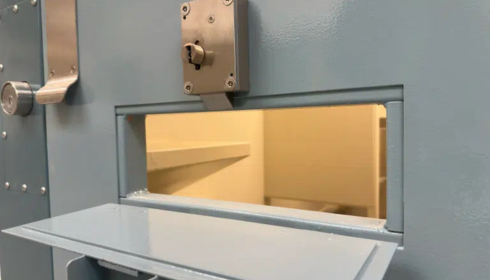
    Security infrastructure demands more than surface strength. Facilities such as modular jails and correctional complexes depend on doors engineered to withstand force, tampering, and constant use. Cornerstone detention center doors are built with layered design principles that focus on durability, resistance, and reliable performance under high stress conditions.

    12 to 14 Gauge Steel Shells with Internal Stiffeners

    Heavy-gauge steel forms the outer shell of high-security detention doors. Using 12 to 14 gauge steel increases resistance to impact, bending, and deformation. This thickness provides a solid barrier that holds its shape under sustained pressure.

    Inside the steel shell, internal stiffeners add structural reinforcement. These stiffeners prevent flexing when force is applied repeatedly. Facilities that rely on Cornerstone detention equipment contractors benefit from this design because it strengthens the door without adding unnecessary bulk. The combination of outer steel and internal support creates a balanced, rigid panel engineered for long-term use.

    Steel Channel Cores That Reinforce Every Door Panel

    A steel channel core runs through the center of many secure detention doors. This internal framework acts as a backbone, distributing force across the entire surface rather than concentrating it in one location. The result is improved resistance against bending and stress fractures. Beyond impact resistance, the channel core enhances alignment and stability. A Cornerstone security detention equipment contractor ensures that these cores are precisely fabricated and welded into place. This structure supports performance standards expected in modern modular jails and detention facilities.

    High Density Insulation for Added Sound Control

    Sound control is often overlooked in detention environments. High-density insulation placed within the door cavity helps reduce sound transmission between spaces. Lower noise levels contribute to improved operational control and communication clarity.

    This insulation also adds weight and internal density to the door. Added density increases resistance to vibration and repeated contact. By integrating insulation into the design, Cornerstone prison supply manufacturers address both structural integrity and acoustic performance in one solution.

    Attack Resistant Glazing Set into Secure Vision Frames

    Vision panels allow observation while maintaining security. Attack-resistant glazing is installed within reinforced steel frames that prevent removal or tampering. The glazing material resists impact and helps protect staff and occupants.

    Secure framing prevents tools from prying or loosening the glass insert. Cornerstone detention center doors incorporate these reinforced assemblies to ensure visibility does not compromise safety. Properly seated glazing panels maintain integrity under force.

    Stainless Steel Hinges Built for Constant Secure Use

    Hinges endure continuous opening and closing cycles. Stainless steel hinges resist corrosion and wear even in environments with heavy daily traffic. Their strength supports the weight of reinforced door panels without sagging.

    Durability in hinge construction reduces maintenance requirements. A Cornerstone security detention equipment contractor selects hinge assemblies that withstand pressure and prevent misalignment over time. Stable hinges ensure consistent door operation and secure closure.

    UL 752 Level 3 Rated Ballistic Protection Options

    Ballistic protection adds another layer of security in sensitive environments. UL 752 Level 3 rating indicates resistance to certain firearm threats. Integrating ballistic materials into the door assembly enhances protective capability without sacrificing function.

    Facilities requiring enhanced defense can incorporate this rating into custom configurations. Cornerstone prison supply manufacturers engineer ballistic options that align with facility safety standards. This level of protection reinforces critical areas within secure structures.

    Doors Tested to Withstand Extreme Static Loads

    Static load testing measures how much sustained force a door can tolerate without failing. High-quality detention doors undergo rigorous testing to confirm performance under pressure. Testing verifies that panels, frames, and welds hold under significant weight.

    Certification through load testing builds confidence in product reliability. Cornerstone detention equipment contractors rely on documented test results to meet institutional requirements. Verified load capacity supports long-term structural integrity.

    Recessed Hardware Designed to Limit Tie off Risks

    Hardware design plays a direct role in safety. Recessed handles, locks, and latches reduce opportunities for misuse. Smooth surfaces limit protrusions that could present risks within detention settings. Designers shape hardware to maintain secure functionality while reducing hazards. A Cornerstone security detention equipment contractor integrates these features seamlessly into door assemblies. This thoughtful approach enhances both security and occupant safety.

    Integrated Sensors That Report Door Status in Real Time

    Modern detention doors often include integrated monitoring technology. Embedded sensors track whether a door is open, closed, or locked. Real-time reporting improves facility oversight and response time.

    Connecting sensors to centralized systems enhances operational awareness. Cornerstone detention center doors can incorporate this technology as part of broader facility integration. Monitoring features strengthen security management within modular jails and correctional environments.

    Through advanced fabrication methods and rigorous engineering standards, Cornerstone Inc delivers detention door systems designed for strength, durability, and secure performance. Their experience as Cornerstone detention equipment contractors supports facilities requiring reinforced assemblies and integrated monitoring solutions. By providing dependable construction and specialized security features, Cornerstone Inc helps correctional environments maintain safety and operational control.

  • Reasons Why Ingrown Toenail Removal Can’t Be DIYed

    Reasons Why Ingrown Toenail Removal Can’t Be DIYed

    A small corner of a toenail can cause surprising discomfort once it starts pressing into skin. What looks like a minor trimming issue often becomes a painful condition that affects walking and daily routines. That is why professional ingrown toenail removal is often safer and more effective than attempting a home fix.

    Cutting Too Deep Can Cause Pain That Lasts for Days

    Trying to dig out the edge of a nail at home often leads to cutting too far into sensitive tissue. The skin around the nail bed contains many nerve endings, and even a small mistake can trigger sharp pain. People attempting ingrown toenail removal near me without training may believe they are relieving pressure, but they often worsen inflammation instead.

    Pain does not always stop after the cut. Deep trimming can expose raw tissue that throbs for days, especially when shoes press against the area. An experienced ingrown toenail doctor understands exactly how much of the nail to remove while protecting surrounding skin.

    Home Tools May Not Be Clean Enough for Skin Care

    Household clippers, scissors, and tweezers are rarely sterilized to medical standards. Even tools that look clean may carry bacteria. Introducing those germs into broken skin raises the risk of infection during attempted ingrown toenail removal. Professional settings use properly sanitized instruments designed for skin procedures. An ingrown toenail removal doctor reduces the chance of contamination by following strict hygiene protocols. Clean tools and controlled technique make a significant difference in recovery.

    Wrong Cuts Can Make the Nail Grow Back Worse

    Improper trimming can change how a nail grows. Cutting into the side of the nail without addressing the root may cause it to curve inward again. This often leads to repeat pain and swelling.

    Recurring problems frequently occur after at-home attempts. A Huntsville ingrown toenail doctor evaluates whether part of the nail matrix needs treatment to prevent regrowth. Correcting the growth pattern at the source lowers the chance of future flare-ups.

    Small Wounds Can Turn into Slow Healing Sores

    Feet endure constant pressure from walking and standing. Even a small cut near the nail bed can struggle to heal if exposed to friction. Moisture from socks and shoes further complicates recovery. Healing delays often occur without proper wound care guidance. An ingrown toenail removal Huntsville AL specialist provides instructions and follow-up support to help the skin close properly. Professional care reduces the chance of small wounds turning into larger sores.

    Swelling Can Get Worse Without Proper Care

    Inflammation signals that the body is responding to irritation. Without appropriate treatment, swelling can increase rather than decrease. Tight footwear and continued pressure make the condition worse.

    Swelling sometimes hides the actual nail edge embedded under the skin. An ingrown toenail doctor carefully relieves pressure while managing inflammation. Addressing both the nail and surrounding tissue promotes quicker comfort.

    Pain Can Spread and Make Walking Hard

    Discomfort from an ingrown toenail often radiates beyond the toe. People may shift weight to avoid pressure, causing strain in the foot or ankle. What began as minor irritation can interfere with daily movement.

    Persistent pain sometimes signals deeper involvement. Seeking ingrown toenail removal near me ensures that the condition is evaluated before mobility is affected long term. Proper treatment allows patients to walk normally again without compensating for pain.

    It Is Easy to Miss the Part Stuck Under Skin

    The visible edge of the nail is not always the problem. Sometimes a thin sliver remains hidden beneath swollen tissue. Attempting removal without clear visibility can leave the embedded piece untouched.

    Missing that hidden portion prolongs irritation. A Huntsville ingrown toenail doctor uses appropriate lighting and instruments to identify the exact section causing trouble. Complete removal prevents repeated inflammation.

    Blood Flow Issues Can Slow the Healing Process

    Certain individuals have reduced circulation in their feet. Poor blood flow can slow healing and increase the risk of complications. Even minor injuries require careful monitoring in these cases.

    Medical professionals assess circulation before proceeding. An ingrown toenail removal doctor considers underlying conditions that might affect recovery. Tailoring treatment to overall health helps protect long-term foot function.

    Infection Risk Goes up Without Safe Treatment

    Bacteria thrive in warm, moist environments like shoes. Open skin around an ingrown toenail provides an easy entry point. Without sterile technique and proper aftercare, infection risk increases significantly.

    Redness, warmth, or discharge may follow an unsuccessful home attempt. Professional ingrown toenail removal Huntsville AL reduces infection risk by combining precise technique with safe post-procedure care. Early intervention prevents complications that could require more extensive treatment.

    The Foot Clinic provides professional evaluation and ingrown toenail removal tailored to each patient’s needs. Their team includes experienced ingrown toenail doctors who focus on safe, effective treatment in a controlled environment. For those seeking relief without risking complications, they offer trusted care designed to protect both comfort and long-term foot health.

  • Everything You Need to Know About Forest Department Vacancies

    Everything You Need to Know About Forest Department Vacancies

    India’s Forest Department, known as Van Vibhag, plays a crucial role in preserving our natural ecosystems, forests, and wildlife. Every year, lakhs of aspirants eagerly wait for van vibhag recruitment notifications that offer government job opportunities in various forest-related roles. If you’re an environmental enthusiast or someone seeking a stable government job, these vacancies are a golden opportunity.

    In this article, we’ll walk you through the latest updates, eligibility criteria, selection process, how to apply, and why you should consider a career in the Forest Department.


    Overview of Van Vibhag Recruitment

    The Forest Department (Van Vibhag) regularly announces recruitment for positions like Forest Guard (Van Rakshak), Forester, Wildlife Guard, Ranger, and clerical roles in both state and central government forest offices. These roles are essential for the protection and maintenance of India’s rich biodiversity.

    Van Vibhag jobs are state-specific, meaning each state government releases its own recruitment notification based on the department’s needs. For example, states like Maharashtra, Madhya Pradesh, Uttar Pradesh, Rajasthan, and Chhattisgarh often have recurring van vibhag vacancy updates.


    Key Positions in Van Vibhag Vacancy

    Here are some of the common roles available under Van Vibhag recruitment:

    • Forest Guard (Van Rakshak): Involves patrolling forests, preventing illegal activities, and reporting deforestation or poaching.
    • Forester: Responsible for forest management and assisting in conservation efforts.
    • Range Forest Officer (RFO): Supervisory position overseeing guards and forest activities.
    • Clerical or Technical Staff: Back-end support in forest offices, including data management and reporting.

    Each position may have varying eligibility requirements, which are clearly outlined in the official recruitment notification.


    Eligibility Criteria

    Although the criteria vary slightly between states, most Van Vibhag roles follow these general guidelines:

    • Age Limit: 18–40 years (with age relaxation for SC/ST/OBC as per government rules)
    • Education Qualification:
      • Forest Guard: 10th or 12th pass
      • Forester/RFO: Graduate in Science (preferably in Forestry, Botany, or Environmental Science)
    • Physical Standards: Physical fitness is critical. Height, chest measurement, and endurance test may be part of the selection.
    • Nationality: Indian citizen

    Make sure to check the official notification of your respective state for detailed criteria.


    Selection Process

    The selection typically follows a structured format:

    1. Written Exam: Covers general knowledge, environmental studies, reasoning, and sometimes regional language skills.
    2. Physical Efficiency Test (PET): Includes running, walking, and endurance tasks.
    3. Interview/Document Verification: Final stage to verify documents and assess personality or communication skills.

    Each stage must be cleared to proceed to the next, and final selection is based on cumulative performance.


    How to Apply for Van Vibhag Jobs

    Here’s a general guide to applying:

    1. Visit your state’s official Forest Department or recruitment portal.
    2. Look for the latest Van Vibhag vacancy notifications.
    3. Read the full notification carefully.
    4. Register with your email and mobile number (if required).
    5. Fill in personal, educational, and contact details.
    6. Upload scanned documents such as photographs, signatures, and certificates.
    7. Pay the application fee online (if applicable).
    8. Submit the form and save a copy for future reference.

    Always apply within the deadline mentioned in the notification.


    Why Consider a Career in Van Vibhag?

    1. Job Security: Government jobs offer excellent stability and benefits.
    2. Nature-Friendly Work: Ideal for those passionate about wildlife and forest conservation.
    3. Growth Opportunities: Promotions, departmental exams, and transfers are available.
    4. Pension and Perks: Attractive retirement benefits and allowances are included.

    Final Thoughts

    If you’re searching for a government job that allows you to contribute directly to nature and wildlife conservation, Van Vibhag recruitment is a promising opportunity. Stay updated with your state’s official portals, prepare well for the exams, and focus on physical fitness. With determination and preparation, you could soon be a proud part of India’s Forest Department.

  • What to Do When UPI Payments Fail: A Step-by-Step Guide to Filing an NPCI Online Complaint

    What to Do When UPI Payments Fail: A Step-by-Step Guide to Filing an NPCI Online Complaint

    In the age of fast digital transactions, UPI (Unified Payments Interface) has revolutionized the way we transfer money, pay bills, and shop online. But even the most reliable systems can hit a few snags. One of the most frustrating issues users face is a failed UPI transaction—especially when the money gets deducted but the recipient doesn’t receive it. So, what should you do when this happens? Enter npci online complaint systems, your official route to resolution.

    Let’s walk you through how to raise a complaint, what documents you need, timelines to expect, and what to do if things don’t go your way.


    What is NPCI and Why It Matters

    The National Payments Corporation of India (NPCI) is the backbone of digital payment systems like UPI, Bharat BillPay, and RuPay. When a UPI transaction fails—due to server issues, timeouts, app bugs, or bank downtimes—NPCI helps streamline the complaint process.

    But here’s the thing: NPCI doesn’t accept complaints directly from customers in most cases. You must first go through your payment service provider (like PhonePe, Google Pay, Paytm, BHIM, etc.) or your bank. If they don’t resolve it in a reasonable time, you can escalate it to NPCI using their official portal.


    First Steps: Contact Your App or Bank

    Before jumping to conclusions or directly filing a formal case, take these simple steps:

    1. Check your UPI app’s transaction history – Look for transaction status (Success, Failed, or Pending).
    2. Wait for auto-reversal – In most cases, failed transactions are reversed automatically within 24 to 72 hours.
    3. Raise a ticket via the app – Every major app like PhonePe or Google Pay has an in-app support section where you can raise complaints.
    4. Contact your bank – If the app blames the bank, or if you used BHIM or your banking app, raise a ticket there.

    Most issues are solved in this stage. If it’s been more than 3-4 working days with no refund and no resolution, you can go to the next level.


    How to File an NPCI Complaint Online

    To escalate the issue with NPCI, you can follow these steps:

    1. Visit: https://crcf.upi.org.in
    2. Click on “Raise Complaint”
    3. Select your payment mode (UPI, RuPay, etc.)
    4. Fill in required details:
      • Mobile number
      • UPI transaction ID or reference number
      • Date and amount of the transaction
      • Bank name or app used
    5. Upload proof if necessary (screenshots of failed payment or complaint ticket from app/bank)
    6. Submit and note the reference number for tracking

    It’s quick, free, and transparent. NPCI usually takes 3–5 business days to investigate and respond.


    What Happens After You File?

    Once your upi payment failed complaint is submitted, you’ll receive a unique case ID. You can track your complaint on the same portal. NPCI will usually contact your bank or the involved parties to get the issue resolved. Most users get a refund or clarification within 7 days.

    If the issue persists beyond 30 days, you can escalate further to the RBI Ombudsman.


    Pro Tips to Avoid UPI Failures

    • Always check internet connectivity before initiating a transaction
    • Avoid sending money during bank downtimes (late night, maintenance windows)
    • Keep your app and mobile OS updated
    • Use stable UPI apps like BHIM or your primary bank’s app for critical transfers

    Final Thoughts

    Payment failures are frustrating, but you’re not powerless. Thanks to streamlined portals like the NPCI online complaint system, you have a solid pathway to get your money back or your issue resolved. Remember to document everything and don’t hesitate to escalate when your app or bank fails to respond appropriately.

    With a little patience and the right steps, your UPI troubles will be sorted in no time.

  • How Long Does the Divorce Process Typically Take With Legal Representation?

    How Long Does the Divorce Process Typically Take With Legal Representation?

    Time becomes one of the first concerns once divorce discussions begin. Legal steps, emotional weight, and financial decisions all move on different clocks, making timelines hard to predict. With experienced representation, the process often becomes clearer, even though several factors still influence how long a case lasts.

    Uncontested Cases Often Resolve Within a Few Months

    Uncontested divorces generally move faster because both parties agree on key terms such as property division, support, and custody. Once agreements are reached, divorce lawyers can prepare filings efficiently and submit them without extended negotiation. In many cases, this allows the process to move from filing to final order within a few months. Even in uncontested matters, timing still depends on paperwork accuracy and court procedures. Delays may occur if forms require correction or additional documentation. Still, working with a divorce attorney near me often helps avoid common mistakes that slow progress in otherwise straightforward cases.

    Court Schedules Can Extend Timelines Even with Agreement

    Court availability plays a major role in divorce timelines. Even when spouses agree on all issues, hearings and final approvals must fit within the court’s calendar. Busy dockets can push simple cases weeks beyond expectations.

    Judicial scheduling delays are outside the control of either party. Divorce lawyers monitor these schedules closely and adjust expectations accordingly. While agreements speed preparation, court timing still influences how quickly a divorce becomes official.

    Disputes over Assets Usually Add Extra Weeks or Months

    Disagreements over property division often extend the divorce process. Assets such as real estate, retirement accounts, and business interests require valuation and documentation. Each step adds time before resolution is possible. Negotiating asset disputes may involve appraisals, financial disclosures, and formal proposals. Divorce lawyers near me often work to narrow disagreements early, but contested property issues typically lengthen the overall timeline.

    Child Custody Discussions Tend to Slow the Process

    Custody matters introduce added layers of complexity. Courts prioritize the child’s best interests, which means careful review of parenting plans, living arrangements, and schedules. This scrutiny often slows progress.

    Additional evaluations or mediation sessions may be required before agreements are reached. Divorce attorney near me services often focus on creating workable custody terms to avoid prolonged disputes, but these discussions still take time.

    Required Waiting Periods Affect Overall Case Length

    Many states impose mandatory waiting periods between filing and finalization. These timeframes exist regardless of agreement or conflict. Even the most efficient cases cannot bypass these statutory delays. Waiting periods vary by jurisdiction and sometimes by case type. Divorce lawyers account for these requirements early, helping clients understand that some delays are procedural rather than strategic.

    Document Gathering Can Delay Early Filing Stages

    Before a case officially begins, information must be collected. Financial records, tax returns, employment details, and asset statements all need review. Missing or incomplete documents can delay filing. The preparation phase often determines how smoothly a case moves later. Divorce lawyers encourage early organization to reduce setbacks. Delays at this stage frequently push back every subsequent deadline.

    Negotiation Progress Impacts How Fast Cases Move

    The pace of negotiation directly affects timelines. Cooperative discussions often resolve issues quickly, while rigid positions extend talks. Each counterproposal adds days or weeks.

    Divorce attorney near me services typically aim to streamline communication and keep negotiations productive. Even so, emotional factors can slow progress, especially when major life changes are involved.

    Trial Preparation Adds Significant Time to Divorce Cases

    Cases that proceed toward trial take substantially longer. Trial preparation involves discovery, witness preparation, and legal research. This phase alone can add months to the timeline.

    Court availability further affects trial scheduling. Divorce lawyers must align preparation with hearing dates, which are often set far in advance. As a result, trial-bound cases tend to move at a slower pace overall.

    Final Orders Depend on Judge Availability and Review

    After agreements or trials conclude, judges must review and sign final orders. This review process may take time, especially during periods of high caseloads. Final approval marks the official end of the divorce.

    Even minor revisions requested by the court can extend this stage. Divorce lawyers track these steps carefully, ensuring corrections are handled promptly so final orders are issued without unnecessary delay. Understanding divorce timelines helps set realistic expectations from the start. Powell Law guides cases through each phase efficiently, addressing disputes strategically, and helping clients move forward with clarity and informed planning.

  • Factors Engineers Consider When Selecting a Mica Nozzle Heater

    Factors Engineers Consider When Selecting a Mica Nozzle Heater

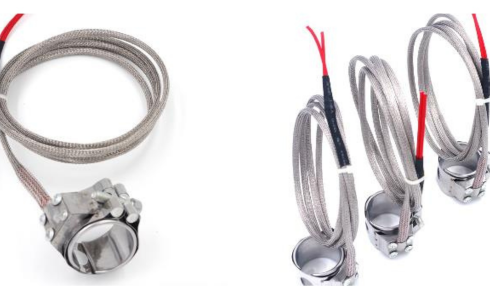
    Production efficiency often depends on how precisely heat is applied at critical points in a process. Small deviations in temperature or heater performance can lead to material defects, downtime, or uneven output. That is why engineers evaluate a wide set of technical factors before settling on a mica nozzle heater for demanding industrial applications.

    Required Watt Density Based on Nozzle Size and Heat Needs

    Watt density determines how much heat is delivered over a given surface area, making it one of the first calculations engineers perform. A nozzle with a small diameter but high heat demand requires careful balance to avoid overheating while still reaching operating temperature quickly. If watt density is too low, heat transfer becomes sluggish and inconsistent.

    Higher watt density can improve response time, but it also increases stress on the heater element. Engineers consider material flow rates, thermal conductivity of the nozzle, and cycle times to determine the optimal watt density for a mica nozzle heater. The goal is steady, uniform heat without creating hot spots that shorten service life.

    Maximum Operating Temperature of the Heater Material

    Every heater design has a temperature ceiling tied to its materials. Engineers must ensure the mica nozzle heater can operate safely above the required process temperature without degrading insulation or internal components. Running close to the maximum rating leaves little margin for error.

    Material selection plays a major role here. Mica insulation performs well at elevated temperatures, but surrounding components such as terminals and sheathing also matter. Engineers evaluate both continuous and peak temperature exposure to avoid premature failure during high-demand production cycles.

    Physical Dimensions to Ensure a Proper Nozzle Fit

    A precise fit ensures efficient heat transfer from the heater to the nozzle surface. Gaps, uneven contact, or incorrect inner diameter reduce performance and can cause localized overheating. Engineers verify inner diameter, width, thickness, and clamping style before finalizing a mica nozzle heater.

    Manufacturing tolerances are also considered. Even small variations in nozzle geometry can affect heater performance. Engineers often account for expansion during heating to maintain consistent contact as temperatures rise and fall throughout the process.

    Voltage and Power Specifications Matching System Design

    Electrical compatibility is non-negotiable. The heater’s voltage and power ratings must align with the system’s electrical supply and control architecture. Mismatched specifications can lead to inefficient operation or immediate failure. Engineers also consider how power is distributed across multiple heaters in a system. A mica nozzle heater must integrate smoothly without overloading circuits or requiring excessive modification. Stable power delivery ensures predictable heating behavior and simplifies long-term maintenance.

    Environmental Exposure to Moisture or Corrosive Conditions

    Operating environments influence heater longevity. Moisture, chemical vapors, or corrosive byproducts can penetrate poorly protected components and degrade insulation. Engineers evaluate ambient conditions before specifying protective features. For harsher environments, additional sealing or protective sheathing may be required. A mica nozzle heater selected for a clean indoor setting may not perform the same in humid or chemically active areas. Environmental assessment helps prevent unexpected downtime caused by external factors.

    Insulation Requirements to Maintain Safe Surface Heat Levels

    Surface temperature affects both safety and efficiency. Proper insulation ensures heat is directed toward the nozzle rather than dissipated outward. Engineers consider insulation thickness and material composition to control external surface temperatures. Excessive surface heat can pose safety risks and waste energy. By specifying the right insulation characteristics, engineers help maintain consistent heating while reducing energy loss. This balance improves both operator safety and system performance.

    Heater Durability Under Frequent Heat Cycling Demands

    Many industrial processes involve constant heating and cooling cycles. These cycles cause expansion and contraction that stress internal components. Engineers evaluate how well a mica nozzle heater tolerates repeated thermal cycling without cracking or delaminating.

    Durability assessments include startup frequency, shutdown intervals, and temperature ramp rates. A heater that performs well under steady conditions may fail quickly under aggressive cycling. Selecting a design built for repeated transitions reduces replacement frequency and maintenance costs.

    Compatibility with Process Controls and Temperature Sensors

    Modern systems rely on precise control. A mica nozzle heater must work seamlessly with thermocouples, RTDs, and control units to maintain accurate temperature regulation. Engineers verify sensor placement options and response characteristics during selection.

    Control compatibility also affects process consistency. Heaters that respond predictably to control signals allow tighter tolerances and improved product quality. Engineers prioritize designs that integrate smoothly with existing control infrastructure rather than requiring complex workarounds. Selecting the right heater involves more than matching dimensions or wattage. It requires understanding how materials, environment, electrical systems, and process demands interact over time. Thermal Corporation offers a broad range of industrial heating products built for accuracy, durability, and consistent performance across demanding applications.

  • Does Rocket City Epoxy Flooring Support Heavier Static Loads than Uncoated Concrete?

    Does Rocket City Epoxy Flooring Support Heavier Static Loads than Uncoated Concrete?

    Industrial floors rarely fail all at once. Load stress builds quietly as equipment sits in place day after day, testing the surface long before cracks appear. Understanding how coated floors respond to that pressure explains why epoxy systems behave differently than bare concrete in Huntsville AL facilities.

    Epoxy Surface Resists Indentation from Heavy Equipment Better

    Uncoated concrete is strong but brittle at the surface. Under the weight of lifts, compressors, or fabrication machines, pressure concentrates at small contact points, allowing tiny surface fractures to form. Over time, those fractures compress into visible dents that never rebound once the load is removed. Epoxy systems create a hardened top layer that absorbs part of that force before it reaches the concrete below. The cured surface resists compression and spreads contact stress across a wider area. Facilities using Rocket City Epoxy flooring often notice that equipment feet leave fewer impressions compared to unfinished slabs exposed to the same static weight.

    Coating Helps Distribute Weight More Evenly Across the Slab

    Bare concrete carries loads unevenly due to natural variations in density and finish. Slight inconsistencies in the slab cause weight to settle harder in some zones than others. These stress points are usually invisible until surface wear accelerates. A Rocket City Epoxy floor coating adds a consistent layer that smooths out those variations. The uniform surface allows weight to disperse more evenly across the slab instead of concentrating in isolated areas. This balance becomes especially noticeable in large garages or workshops where heavy items remain parked for long periods.

    Dense Epoxy Layers Reduce Surface Wear Under Static Pressure

    Static pressure wears concrete differently than movement does. While rolling loads chip and scratch, stationary weight compresses the surface over time. Unsealed concrete slowly loses its cement paste under that pressure, leading to dusting and surface breakdown. High-build epoxy systems form a dense protective barrier. That density shields the slab from direct compression, reducing erosion at the surface. Rocket City Epoxy floors maintain a smoother finish longer because the coating absorbs stress that would otherwise grind down exposed concrete.

    Finished Floors Show Fewer Marks from Parked Machinery Loads

    Marks left behind by heavy machinery are not always cracks. Many are compression shadows where the concrete has slightly collapsed under weight. These areas often darken or roughen, making floors appear worn even if structural damage has not occurred.

    Epoxy-coated surfaces respond differently. The hardened finish resists imprinting, so machinery bases are less likely to leave visible signs after relocation. In Rocket City Epoxy garage floor installations, this benefit is especially clear where vehicles or equipment remain stationary for weeks at a time.

    Epoxy Protects Concrete from Gradual Weakening Under Weight

    Concrete weakens gradually under sustained stress, particularly when moisture is present. Microscopic pores allow water to seep in, softening internal bonds while loads press downward. Over time, the slab loses resilience and becomes more prone to cracking.

    Epoxy acts as a moisture barrier as well as a load shield. By sealing the surface, it prevents water intrusion that accelerates internal fatigue. Rocket City Epoxy flooring systems help preserve the slab’s original strength by limiting both physical pressure and environmental exposure.

    Epoxy’s Rigidity Slows Crack Growth Under Long-term Load

    Small cracks often begin beneath the surface long before they are visible. Static loads can force these cracks to widen slowly as the slab flexes under constant pressure. Once cracks reach the surface, repairs become more disruptive and costly.

    Rigid epoxy layers slow this process. The coating bridges minor surface imperfections and restricts movement at the crack edges. While epoxy does not eliminate structural flaws, Rocket City Epoxy floor systems can delay visible crack expansion by reducing surface flex under long-term load conditions.

    Floor Finishes Resist Scuffs from Repeated Heavy Item Placement

    Repeated placement of heavy objects wears down uncoated concrete quickly. Each repositioning drags weight across the surface, scuffing the slab and grinding away material. Over time, these scuffs create uneven textures that trap dirt and weaken the floor.

    Epoxy finishes provide abrasion resistance that bare concrete lacks. The smooth, sealed surface withstands friction from repeated placement without eroding. Rocket City Epoxy floors retain a cleaner, more uniform appearance even in spaces where heavy items are frequently moved or adjusted.

    Epoxy Seals Pores That Otherwise Weaken Concrete Under Stress

    Concrete pores are a hidden vulnerability under load. These tiny openings allow air, moisture, and contaminants to enter the slab, weakening internal bonds while weight presses from above. Stress combined with moisture is a leading cause of premature surface failure.

    Epoxy fills and seals these pores completely. Once cured, the coating blocks infiltration that accelerates deterioration under pressure. In Huntsville AL environments where humidity and heavy equipment coexist, Rocket City Epoxy floor coating systems add a protective layer that strengthens how concrete handles sustained weight. Professional epoxy flooring systems are designed to address load stress, surface wear, and long-term durability together. Rocket City Epoxy can evaluate slab conditions, apply high-performance coatings, and deliver floor systems built to handle static loads without compromising surface integrity or lifespan.