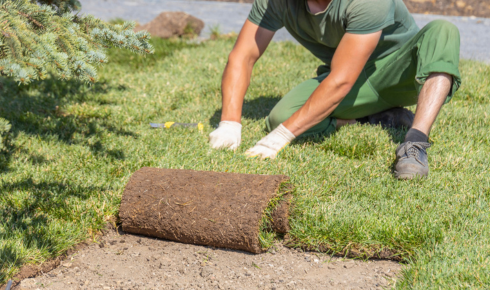
Grass installation looks simple on the surface, but the ground beneath often tells a very different story. A landscape company must understand the soil layers that will support—or sabotage—the new lawn before any sod touches the ground. Landscaping near me teams study the soil profile closely because hidden problems can affect drainage, root development, and long-term growth.
Mapping out Underground Hardpan Layers That Block Drainage
Hardpan layers are tightly compacted soil zones that stop water from moving downward. These layers often sit several inches below the surface and act like a sealed plate, trapping water above them. Landscaping companies near me identify hardpan by running probes into the soil and feeling for abrupt resistance.
Poor drainage from hardpan becomes a major obstacle for sod. Without correction, grass roots suffocate because air and water remain trapped on top rather than circulating naturally. A landscape company usually breaks up these layers through deep tilling or soil fracturing so the new sod can establish properly.
Checking for Buried Limestone or Construction Rubble Piles
Construction leftovers often get buried after building projects—broken concrete, limestone chunks, and other debris remain unseen beneath the soil. These buried materials interrupt water flow, change soil pH, and create uneven settling areas. Landscaping services near me test suspicious spots by digging down to see whether the soil is clean or disturbed.
If rubble is found, it must be removed carefully. Grass laid over these piles typically struggles because roots cannot push through the dense debris. A landscape company will replace the contaminated soil with clean fill before installing sod to give the new lawn an even, healthy base.
Measuring High Acidity Levels That Could Kill New Grass
Soil pH determines whether nutrients are available to the root system. High acidity starves grass of essential minerals, even if the soil is otherwise fertile. Lawn care companies near me take pH tests before installation so they can diagnose whether amendments are necessary.
Correcting acidity usually requires lime to raise the pH to a grass-friendly range. This adjustment supports stronger growth and healthier color once the sod takes root. Without balancing the pH, even high-quality sod may yellow or thin out quickly.
Spotting Slick Clay Veins That Cause Water to Pool on Top
Clay veins are pockets of dense, slippery clay running through the soil. Water pools on these sections because it cannot enter the clay easily. Landscaping companies near me often notice this issue when surface puddles remain long after rain has stopped.
These clay patches complicate sod installation by changing how water spreads across the lawn. A landscape company typically blends in organic matter or sands to break up the clay and restore more even drainage. Fixing these veins prevents the new sod from rotting at the seams or drowning during wet weather.
Finding Sandy Patches That Let Moisture Leak Away Too Fast
While clay holds too much water, sand releases it too quickly. Sandy patches drain so rapidly that sod dries out soon after watering. Landscaping near me services look for lighter-colored soil or grainy texture to identify these areas. To prepare sandy zones for sod, the soil must be enriched to increase moisture retention. A landscape company improves sandy soil with compost or loam, building a thicker top layer that holds water long enough for roots to absorb it. Sod placed over untreated sand tends to wilt or thin rapidly.
Identifying Anaerobic “Sour” Dirt from Stagnant Water Buildup
Anaerobic soil forms when water sits in the same area for too long and oxygen levels drop. This creates a foul smell and blackened soil texture. Landscaping services near me often detect sour dirt by its odor, especially after rainfall or irrigation.
New sod cannot thrive in anaerobic soil because roots need oxygen to grow properly. A landscape company typically aerates the area, improves drainage pathways, and mixes in fresh topsoil to restore oxygen levels. Without these steps, sod roots struggle, leading to patchy growth or complete failure.
Finding Old Root Rot Spores Lingering in the Bottom Dirt
Root rot fungi can remain in lower soil layers for years. These spores target new sod roots the moment they enter the ground, causing them to decay before the grass establishes. Landscaping companies near me check for previous plant disease history or visible discoloration in the deeper soil. Disinfecting or replacing infected soil becomes essential before laying sod. Treatments may include removing several inches of bottom dirt or applying targeted fungal controls. A landscape company prevents future outbreaks by creating a healthier soil environment for new grass.
Spotting Uneven Settlement That Leads to Swampy Low Spots
Uneven settlement occurs when soil sinks at different rates, often due to buried materials, water movement, or soil compaction. These hidden dips collect water and create swampy patches under the sod. Landscaping near me teams identify these low areas through grading checks and surface-level measurements. Correcting settlement ensures that water flows evenly across the lawn after sod installation. A landscape company typically fills these depressions with compacted soil and regrades the area to create a smooth surface. Without addressing settlement, the new lawn develops inconsistent color, soggy zones, and long-term drainage problems. A well-prepared soil profile is the foundation of a thriving lawn, and professional landscaping companies near me understand how important it is to evaluate every layer before sod goes down. Cora Landscape brings together drainage expertise, top-tier sodding and seeding services, and detailed site preparation to create durable, attractive landscapes.